
Oh, honey, when that chilly wind starts blowing or I just need a dinner that tastes like a warm hug, nothing beats a big, steaming bowl of stew. Forget those complicated, fussy recipes; I’ve got the secret to what I truly call the real deal: the easiest and most authentic Texas Cowboy Stew you’ll ever make. This isn’t some thin soup, either—this is thick, satisfying comfort food that sticks to your ribs, just like my grandpa used to make it.
I swear by this recipe because it takes less than 20 minutes of actual work before it just sort of manages itself on the stovetop. It uses simple things we always have, but the flavor development during that long, slow simmer is just magic. Seriously, this hearty stew is my go-to for putting dinner on the table without stressing out.

Why You Will Love This Texas Cowboy Stew Recipe
This recipe is foolproof, trust me! It’s the kind of dinner that tastes like it took all day but barely touched your counter space. That’s why I rely on it.
- It’s incredibly hearty—we’re talking beef, beans, and deep smoky flavor.
- Prep is a breeze—seriously, only 20 minutes before it simmers!
- It tastes even better tomorrow, which is perfect for lunch planning.
Quick Prep Time for Texas Cowboy Stew
Twenty minutes! That’s all you need to get everything chopped and into the pot. It means on a busy Tuesday, you can still get a big, satisfying dinner on the table.
Simple Ingredient List for Hearty Stew
We aren’t hunting down fancy items for this Texas Cowboy Stew. It’s all basic pantry stuff—beef chuck, canned beans, broth—nothing complicated. Plus, it pairs perfectly with homemade cornbread!
Essential Ingredients for Authentic Texas Cowboy Stew
To get that deep, authentic flavor in our Texas Cowboy Stew, the ingredients have to be right, but don’t let this list scare you—it’s mostly pantry basics! You’ll need about 2 lbs of beef chuck, cut into those nice, hearty 1-inch cubes. We start with 1 tablespoon of oil to get it nicely browned. If you want a real kick of flavor, sometimes I even add a splash of liquid from a good pot of beef chili while browning, but that’s optional!
Then come the aromatics: 1 large onion, chopped up fine, and just 2 cloves of garlic, minced. For our liquid base, grab 1 (14.5 ounce) can of diced tomatoes (don’t drain those!), and 4 cups of good beef broth. The beans are crucial, so make sure you have one 15-ounce can of kidney beans and one 15-ounce can of black beans—both rinsed and drained well. Finally, the flavor trifecta: 1 tablespoon of chili powder, 1 teaspoon of cumin, and just half a teaspoon of dried oregano. Salt and pepper are just to taste, of course!
Now, a quick word on that beef chuck. For stew, you want the cheaper cuts because the long simmer breaks down all that connective tissue. My best advice? If you can, look for chuck that has a decent amount of marbling. That little bit of fat melts down during the two hours of simmering and gives your final Texas Cowboy Stew a texture that is just fork-tender melt-in-your-mouth goodness. You can’t rush that step!
Ingredient Notes and Substitutions for Texas Cowboy Stew
Let’s talk specifics so your stew comes out perfect every time. First thing: rinsing those canned beans! I can’t stress this enough. Those cans are packed in a starchy liquid that can make your beautiful broth cloudy and give everything a strange, tinny flavor. Rinse them under cold water until the water runs clear!
Also, I always toss in an extra bell pepper—any color—right along with the onion when I’m sautéing. It adds just a hint of sweetness that balances the spice perfectly. If you want to bump up the heat level, feel free to swap out some of the broth for a cup of your favorite leftover chili base or even add a dash of cayenne pepper. But stick to the core spices, cumin and oregano, for that authentic Texas edge!
Step-by-Step Instructions for Making Texas Cowboy Stew
Okay, now that we have all our beautiful ingredients ready, let’s get this Texas Cowboy Stew cooking! The whole process is really just a few stages, but that simmering time is where the real magic happens. Don’t rush it—the beef needs that slow, gentle heat to get perfectly tender.
- First things first, you always want to season your beef cubes really well with salt and pepper before anything else touches them.
- Next, grab a heavy pot or your trusty Dutch oven and get that vegetable oil heating up over what I call medium-high heat. We want it nice and hot!
- Now, here comes the browning part. You’ll cook the beef in batches—don’t overcrowd the pot or it’ll steam instead of sear! Once it’s nicely browned on all sides, pull that meat out and set it aside for a minute.
- Toss the chopped onion into the pot—use those tasty beef drippings left behind! Cook those softens up for about 5 minutes.
- Add your minced garlic and cook for just one more minute until you can really smell it—be careful not to burn it!
- Time to bring everything back together! Put the browned beef back in the pot. Stir in the canned diced tomatoes (juice and all!), the rinsed kidney beans, the rinsed black beans, the beef broth, and all those spices: chili powder, cumin, and oregano. Give it a good stir!
- Bring that whole pot up to a rolling boil, and then, the most important part for tenderness, immediately reduce the heat way down low. Cover it up and let it simmer gently for at least an hour and a half, maybe even two hours, until that beef just falls apart when you poke it.
- Finally, taste it before serving! It might need another pinch of salt or pepper to really make those smoky flavors pop.
Browning the Beef for Deep Flavor in Your Texas Cowboy Stew
Look, I know it seems like a pain to do the beef in smaller batches, but trust me, this step is the foundation of your flavor! If you dump all that cold beef in at once, the temperature of the pan drops way too fast. Instead of getting that lovely dark crust—that sear—you just end up stewing the meat in its own juices. We want maximum beautiful brown bits sticking to the bottom of that pot; that’s where all the amazing flavor compounds live! Make sure it gets color on all sides before you take it out.
The Simmering Process for Tender Beef in Texas Cowboy Stew
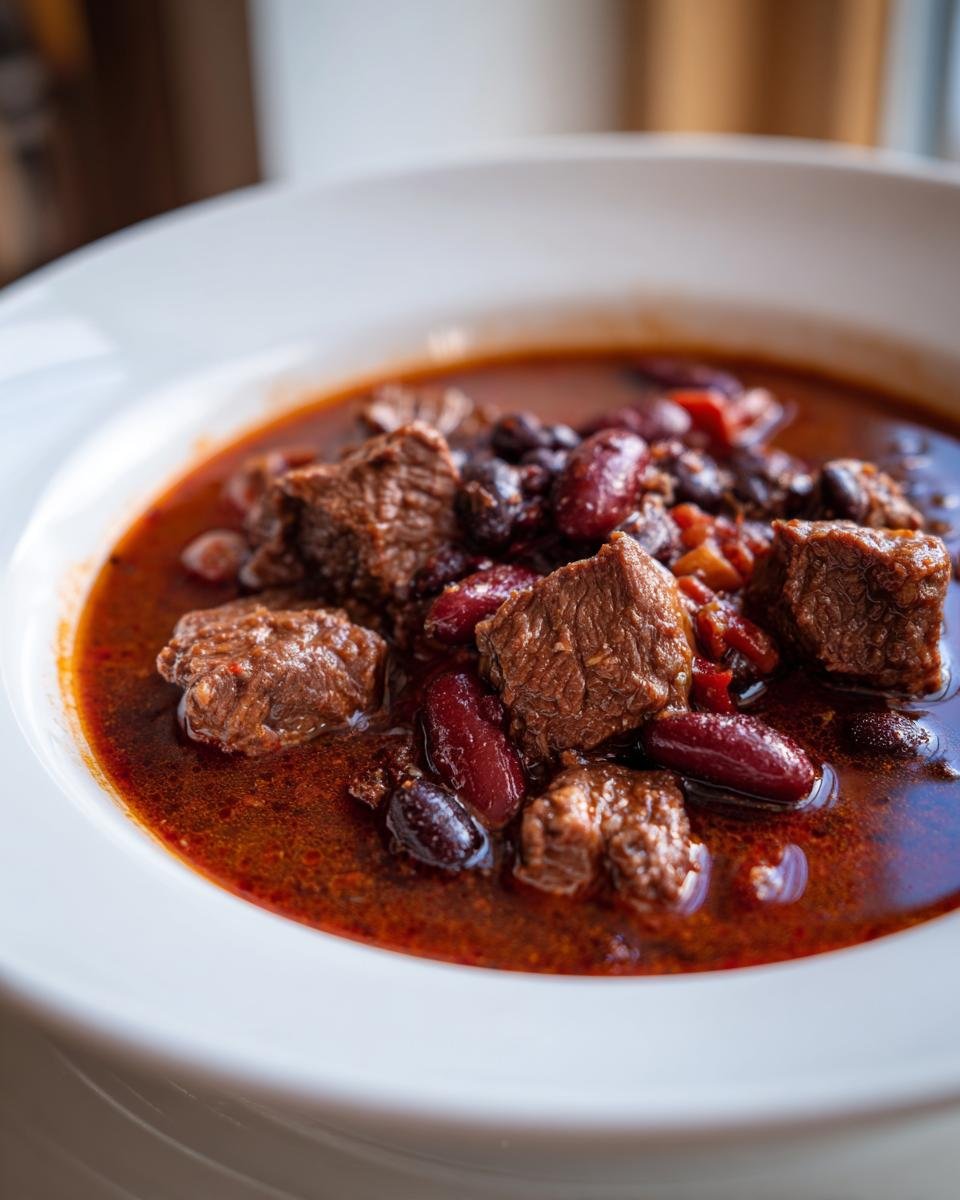
Once you get everything combined and it comes to that initial boil, you have to turn the heat down low. I mean low! This isn’t a furious boil; we’re going for a gentle, barely-there bubble. This slow, low heat over one-and-a-half to two hours is non-negotiable if you want truly tender beef for your Texas Cowboy Stew. If you try to rush it by keeping the heat high, all that gorgeous beef chuck will end up tough and chewy. Patience here pays off big time, and you can find some great tips on long-cooking cuts over at this page if you want more background on cooking tough meat!
Tips for Success When Cooking Texas Cowboy Stew
Even though this Texas Cowboy Stew is super simple, there are a couple of little chef tricks I always use that take it from “good” to “oh my gosh, you have to make this for everyone!” These aren’t in the basic instructions, but they are what I consider non-negotiable for the best pot of stew.
First, use the heaviest pot you own—a Dutch oven is absolutely perfect. Because this stew has high starch content from the beans and sits simmering for so long, you have to prevent scorching on the bottom. A heavy pot distributes that low heat evenly, so you aren’t getting little burned bits flavoring your broth, which is never good! If you’re using a thin pot, stir it every 20 minutes, no matter what.
Second, you absolutely must taste it right before you serve it. I mentioned adjusting the salt and pepper at the end of the instructions, but let me expand on that. After that long simmer, the broth has reduced a bit, and the spices have really melded. It’s concentrated! That’s when the true seasoning profile comes alive. Sometimes it just needs a tiny extra pinch of salt, sometimes a final dash of chili powder for that little smoky *zing*. Don’t skip this final taste test!
Speaking of tender meat—if you are worried about getting it truly fall-apart tender, sometimes I cheat a little bit by finishing the stew uncovered for the last 30 minutes. This lets some of the liquid evaporate faster, concentrating the flavor and ensuring the sauce thickens up nicely around the meat. You can learn so much about slow-cooking tough cuts like brisket by checking out tips for fork-tender texture, and those lessons apply right here to our beef chuck!
Serving Suggestions for Your Texas Cowboy Stew
This Texas Cowboy Stew is so hearty all on its own, but serving it up right is what really makes it feel like a complete, satisfying meal. You absolutely have to have something to sop up all that flavorful broth that’s left at the bottom of the bowl.
The classic pairing, hands down, is cornbread. You just cannot beat dipping a warm piece of golden, slightly sweet cornbread into that thick, smoky stew. If you haven’t tried my recipe for irresistible honey-butter cornbread yet, you are truly missing out! It’s the perfect sweet contrast to the savory spices in the stew.
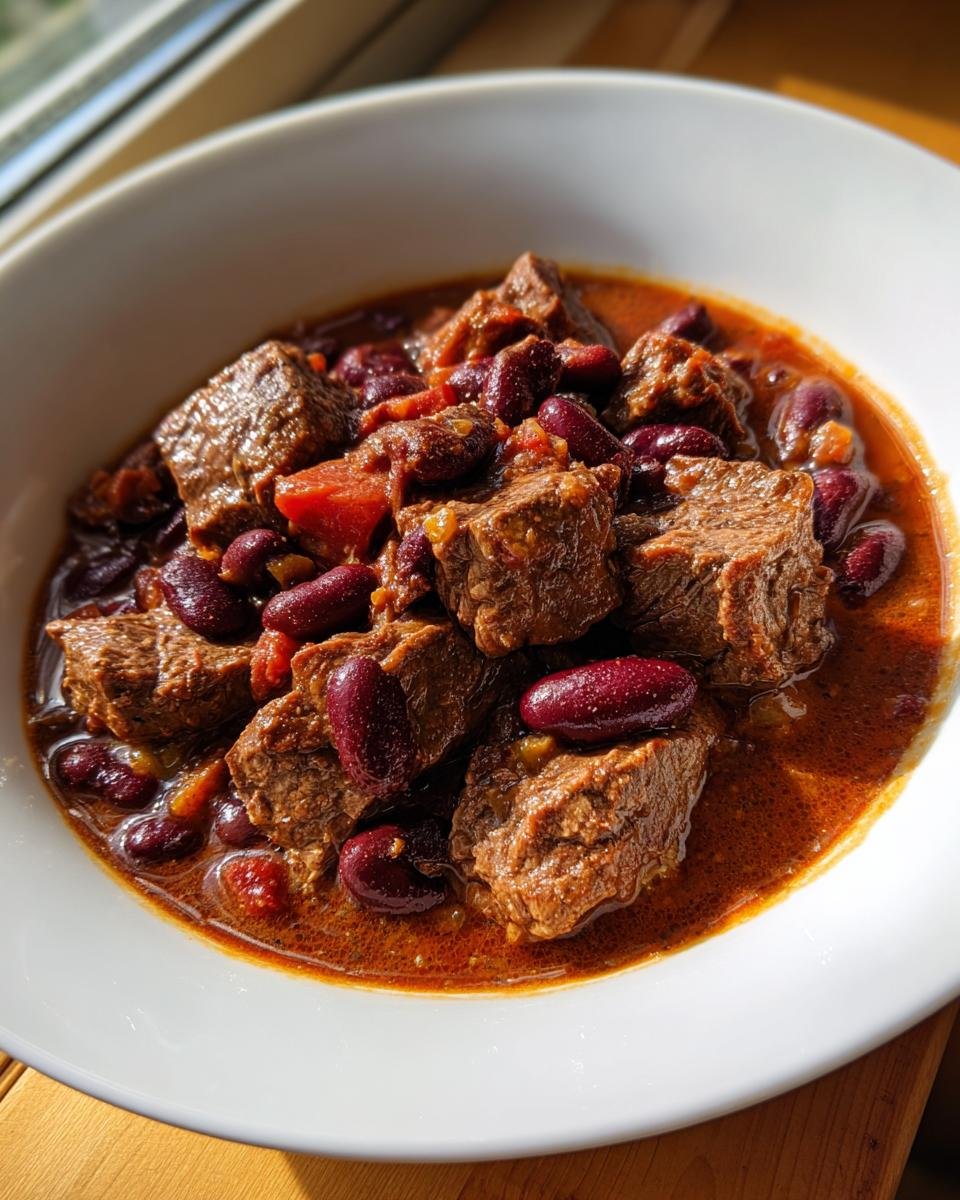
If you’re in a hurry or just don’t want the fuss of baking, simple saltine crackers crumbled right on top work like a charm. They add a nice little salty crunch that breaks up the softness of the beans and beef.
To round out the meal and add a pop of fresh color against that deep, rich brown of the stew, I often serve it with a simple side salad dressed with a bright, sharp vinaigrette. Something crisp like a simple shredded cabbage and carrot slaw cuts through the richness of the beef fat so wonderfully. It just lightens the whole plate up perfectly for a true cowboy feast!
Storage and Reheating Instructions for Leftover Texas Cowboy Stew
One of the best things about making a big batch of Texas Cowboy Stew is knowing you have leftovers waiting! This stew actually tastes even better the next day—the spices have more time to marry up with the beef and beans, creating a deeper, richer overall flavor. I always make sure I cook a little extra just for this reason!
When it comes to storing it, put it in the fridge right away. Don’t leave it sitting on the counter too long, especially since it has all those beans in there. You’ve got about four good days stored tightly sealed in the refrigerator. I usually divide mine up into single-serving containers; it makes grabbing lunch for the week super easy.
Freezing Your Cowboy Stew for Later
If you aren’t planning on eating it within four days, you absolutely should freeze the rest! This freezes beautifully. Make sure you leave a little bit of headspace—about an inch—at the top of your container or freezer bag. Liquids expand when they freeze, and we definitely don’t want split containers! It holds up perfectly in the deep freeze for a good three months, easy peasy.
The Best Way to Reheat Texas Cowboy Stew
When it’s time to eat those leftovers, the stovetop is really the only way to go if you want to bring back that perfect texture. You need gentle, even heat. I dump the frozen or refrigerated stew right into a saucepan.
Set your heat to medium-low and let it warm up slowly, stirring every so often. If it seems a little too thick after sitting overnight, don’t panic! Just splash in a tiny bit of extra beef broth or even just some water until it gets back to that perfect, satisfying, thick stew consistency we love. Avoid the microwave if you can for reheating large batches, as it sometimes reheats unevenly and can make the beans a little mushy.
Frequently Asked Questions About Texas Cowboy Stew
How thick should the Texas Cowboy Stew be when finished?
That’s such a good question, because nobody wants soupy stew! When it’s done simmering, your Texas Cowboy Stew should be rich and thick enough that when you drag a spoon across the bottom of the pot, it takes a second or two for the broth to flow back and cover the space. Remember, the starch from the beans helps thicken it, but if it looks thin, let it simmer uncovered for the last 30 minutes that I mentioned earlier. That slow reduction concentrates everything beautifully.
Can I make this heartily spiced stew spicier without making it a chili?
Absolutely! This is what I love about keeping this recipe easy and customizable. If you want more heat without turning it into a full-blown chili—though you can certainly find my deep-dive chili recipe right here if you want that route—just use all the spices listed, and then add about a quarter-teaspoon of cayenne pepper when you add the cumin and oregano. You can even swap the chili powder for a spicier variant if you find a good one. It gives you that fiery kick without changing the “stew” character.
I don’t have beef chuck; what’s the best substitute for this hearty stew?
Honestly, beef chuck is the champion here because of how tender it gets, but if you’re in a pinch, you could use stew meat if it’s heavily marbled, or even boneless chuck roast cut into cubes. Just beware: tougher cuts will need closer to 2.5 hours of simmering to break down. If you use a leaner cut, I highly recommend adding those extra 30 minutes of simmering time!
Is it okay if I use different kinds of beans in my Cowboy Stew?
You bet! That’s the beauty of the “Cowboy” part—it means using what you have on hand! The recipe calls for kidney and black beans because they hold their shape nicely during the long cook time and add great color. But feel free to swap one of those cans for pinto beans or even cannellini beans if that’s what you have in the pantry. Just remember to rinse them well, no matter which beans you choose for your hearty stew!
Estimated Nutritional Snapshot for Texas Cowboy Stew
Now, I know when we’re making something this incredibly comforting and soul-satisfying, we aren’t usually counting every single macro, right? But since I know some of you are keeping track of your macros or watching for sodium because of all that delicious broth, I wanted to give you a quick glance at what we’re looking at here for a standard serving (about 1.5 cups).
This recipe turns out pretty satisfying because it packs a serious punch of protein from that beef chuck, which is fantastic for keeping you full until the next meal. Look at those numbers—it proves that hearty comfort food doesn’t have to be totally loaded with empty calories!
- Calories: Around 450 per serving
- Fat: About 18 grams total (and most of that good, beefy fat!)
- Protein: A whopping 40 grams! That’s why it sticks to your ribs.
- Carbohydrates: Around 35 grams, thanks mainly to all those wonderful beans and veggies.
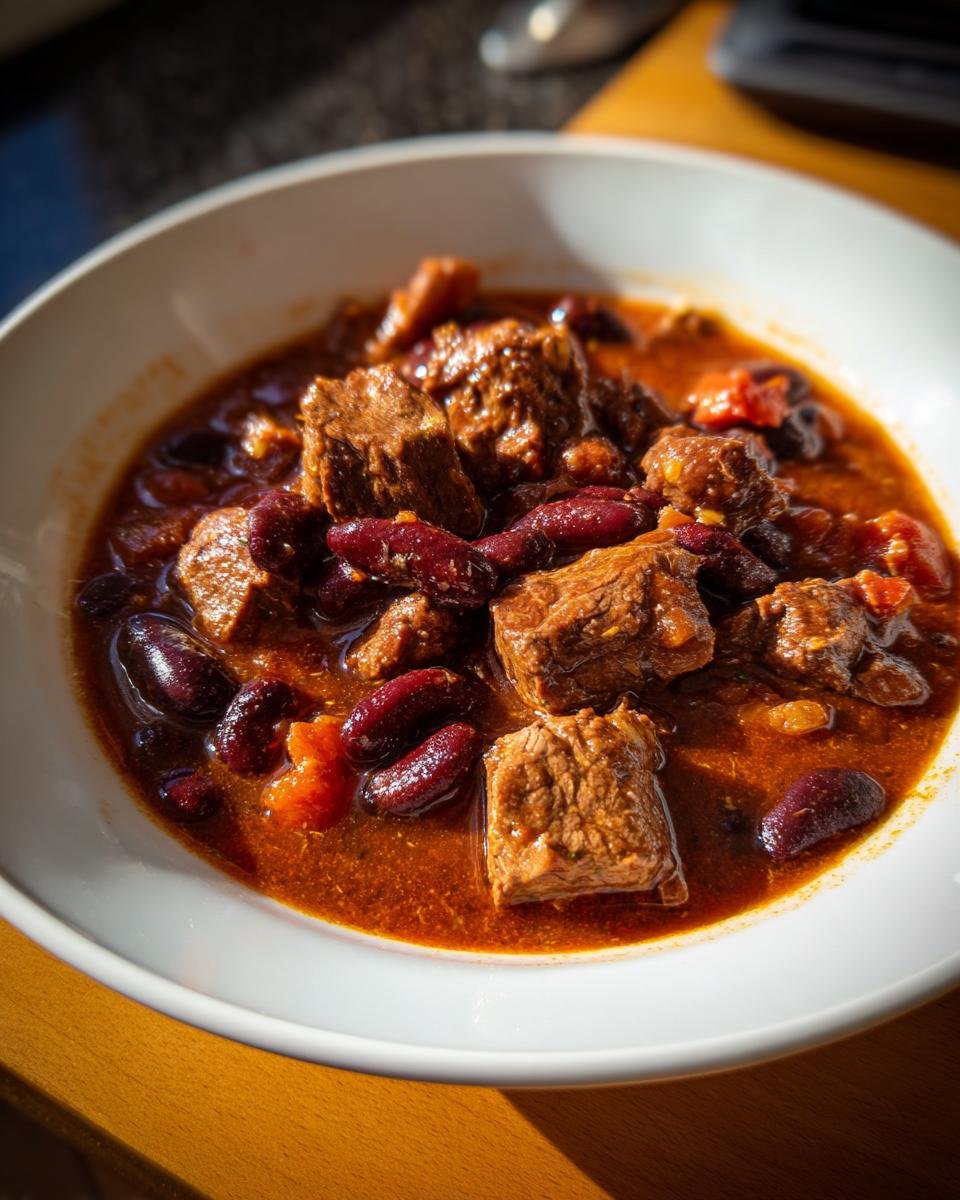
Just a little note here—these are estimates, of course! If you use leaner beef or swap out some of the broth for water to cut down on sodium, your final numbers will shift a bit. But generally, this honest, real-food Texas Cowboy Stew delivers solid nutrition while tasting like the best darn thing you’ve cooked all week!
Share Your Perfect Texas Cowboy Stew
Whew! That’s it! We’ve gone from raw beef chuck to a pot of rich, smoky, perfectly tender Texas Cowboy Stew. I truly hope you give this a try on a chilly evening soon. I’m already getting hungry just thinking about dipping my cornbread into that broth!
Now that you’ve made it, I want to hear all about it! Did you add extra spice? Did you sneak in some bell peppers like I suggested? Don’t be shy—drop a comment below and tell me how your cowboy stew turned out! Rating the recipe helps other home cooks know they can trust this recipe, too.
If you have any specific questions about where you went wrong, or maybe want to brag about how perfectly tender your beef was, hit the comments section. If you ever get stuck on finding an ingredient or just want to say hello, you can always reach out to me over on my contact page. Happy cooking, friends!
Print
Texas Cowboy Stew
- Total Time: 2 hours 20 min
- Yield: 6 servings 1x
- Diet: Low Fat
Description
A hearty, simple stew featuring beef, beans, and vegetables.
Ingredients
- 2 lbs beef chuck, cut into 1-inch cubes
- 1 tablespoon vegetable oil
- 1 large onion, chopped
- 2 cloves garlic, minced
- 1 (14.5 ounce) can diced tomatoes, undrained
- 1 (15 ounce) can kidney beans, rinsed and drained
- 1 (15 ounce) can black beans, rinsed and drained
- 4 cups beef broth
- 1 tablespoon chili powder
- 1 teaspoon cumin
- 1/2 teaspoon dried oregano
- Salt and black pepper to taste
Instructions
- Season beef cubes with salt and pepper.
- Heat vegetable oil in a large pot or Dutch oven over medium-high heat. Brown the beef in batches. Remove beef and set aside.
- Add onion to the pot and cook until softened, about 5 minutes.
- Add garlic and cook for 1 minute more.
- Return beef to the pot. Stir in diced tomatoes, kidney beans, black beans, beef broth, chili powder, cumin, and oregano.
- Bring the stew to a boil, then reduce heat to low, cover, and simmer for 1.5 to 2 hours, or until the beef is tender.
- Taste and adjust seasoning with salt and pepper before serving.
Notes
- Serve hot with cornbread or crackers.
- You can add diced bell peppers with the onion for extra flavor.
- Prep Time: 20 min
- Cook Time: 2 hours
- Category: Dinner
- Method: Stovetop Simmering
- Cuisine: American
Nutrition
- Serving Size: 1.5 cups
- Calories: 450
- Sugar: 7
- Sodium: 650
- Fat: 18
- Saturated Fat: 7
- Unsaturated Fat: 11
- Trans Fat: 0
- Carbohydrates: 35
- Fiber: 10
- Protein: 40
- Cholesterol: 90
Keywords: Texas Cowboy Stew, beef stew, chili, hearty stew, beans, comfort food