
Are you tired of roasts that come out dry or flavorless? Trust me, I’ve been there. For years, I played around with high heat and fancy marinades, trying to get that melt-in-your-mouth texture when making a classic **Pork Roast**. It felt like I needed a catering degree to get it right!
But I finally cracked the code, and honestly, it’s ridiculously simple. This recipe is my go-to because it focuses on low, slow heat and just a few rockstar ingredients to guarantee a tender, juicy result every single time. We’re talking about pork magic happening in the oven with minimal fuss. If you follow these steps exactly, you will never struggle with your pork roast again; it’s just too reliable!
Why This Simple Pork Roast Recipe Works So Well
I know you see roast recipes that call for eight different spices and a brine that lasts overnight. Who has time for that? This recipe skips all the drama and focuses purely on texture and deep flavor you can achieve quickly.
It’s my absolute favorite because it’s just so dependable. You don’t need to babysit it constantly; you just let the oven do the hard work. Here’s why I swear by this method:
- It requires only five core seasoning ingredients—you probably have them right now!
- The low-and-slow heat application guarantees the shoulder muscle breaks down beautifully for ultimate tenderness.
- Cleanup is a breeze because everything cooks right there in the pan.
- It comes out perfectly moist without any complicated water baths beforehand.
Honestly, setting your spice rub and walking away knowing that dinner is going to be spectacular? That’s the best part about this easy roast.

Essential Ingredients for Your Flavorful Pork Roast
When it comes to getting a genuinely flavorful roast, you don’t need a huge shopping list. We focus on letting the quality of the meat and a few powerhouse seasonings do the talking. You’ll need a 3 lb pork shoulder roast, which is the star here. Then, you mix 2 tablespoons of olive oil with 1 tablespoon of salt, pepper, garlic powder, and that gorgeous dried rosemary.
Finally, have about half a cup of water ready to go into the bottom of the pan. That’s it! Fewer ingredients mean less confusion and more time enjoying that amazing smell coming from your oven.
Ingredient Notes and Substitutions for the Best Pork Roast
I am adamant about using the pork shoulder, also called Boston butt, for this recipe. It has the perfect amount of fat marbling that renders out during the long, slow cook time. That rendering process is what creates the most tender **pork roast** you’ve ever had. If you don’t have rosemary on hand, don’t panic! Dried thyme works wonderfully as a swap; they both have that savory, earthy note that loves pork. Just make sure your spices aren’t ancient, or they won’t have any flavor left!
Equipment Needed for a Perfect Oven Roasted Pork Roast
Okay, let’s talk tools. While this recipe is simple in terms of ingredients, you absolutely cannot skimp on having the right gear, especially when cooking large cuts of meat low and slow. You need a sturdy roasting pan that can handle the weight and the liquid we add to keep things cozy in the oven.
The most crucial piece of equipment, and I mean this from the bottom of my heart—don’t skip it—is a reliable meat thermometer. Seriously, this is the secret weapon against dry meat!
Here’s my quick checklist for success:
- A decent-sized roasting pan. Nothing too shallow, please!
- Paper towels for the essential drying step at the beginning.
- Two mixing bowls: one small for your spice rub, one large enough if you decide to toss in any other veggies later.
- Tongs for moving that beautiful roast around—you don’t want to poke it and lose all those lovely juices!
- A digital meat thermometer. This takes all the guesswork out of timing and guarantees that safe, perfect 145 degrees target. No more cutting into the meat just to peek!
Step-by-Step Instructions for the Ultimate Pork Roast
Okay, here’s where we turn that hunk of meat into something truly spectacular! The key to this whole operation is patience during the initial prep and then trusting the low temperature to do the heavy lifting. You’ll preheat your oven to 325 degrees Fahrenheit first. Make sure you have your roasting pan ready to go because things move quickly once the seasoning starts!
Remember, if you have an extra 30 minutes before you need to get this in the oven, pull the seasoned pork out of the fridge and let it sit on the counter for about half an hour. This little trick helps the roast cook more evenly from edge to center, which is a game-changer for consistency. If you want to check out some other great oven methods, I sometimes use techniques from my bone-in pork chop recipe when tweaking roast times, just for reference!
Prepping and Seasoning Your Pork Roast
First things first: grab those paper towels and pat your pork shoulder dry. I mean *really* dry. Moisture on the surface is the enemy of a good sear and helps the seasoning fall off. While that’s happening, mix up your salt, pepper, garlic powder, and rosemary in a small bowl until everything is uniform. Then, rub that gorgeous mixture all over the pork, making sure you get it into every nook and cranny.
Once seasoned, drizzle that olive oil over the top and rub it in well. That oil helps hold the spices in place while the meat cooks. It’s seriously such a crucial texture step before it even sees the oven heat.
The Roasting Process for a Tender Pork Roast
Now it goes into the pan! Pour in that half a cup of water—this moisture is essential since we are going low and slow; it creates steam that keeps the pork unbelievably tender throughout the long cooking cycle. Pop it into the preheated 325°F oven. You’re looking at three to four hours total, but forget the clock!
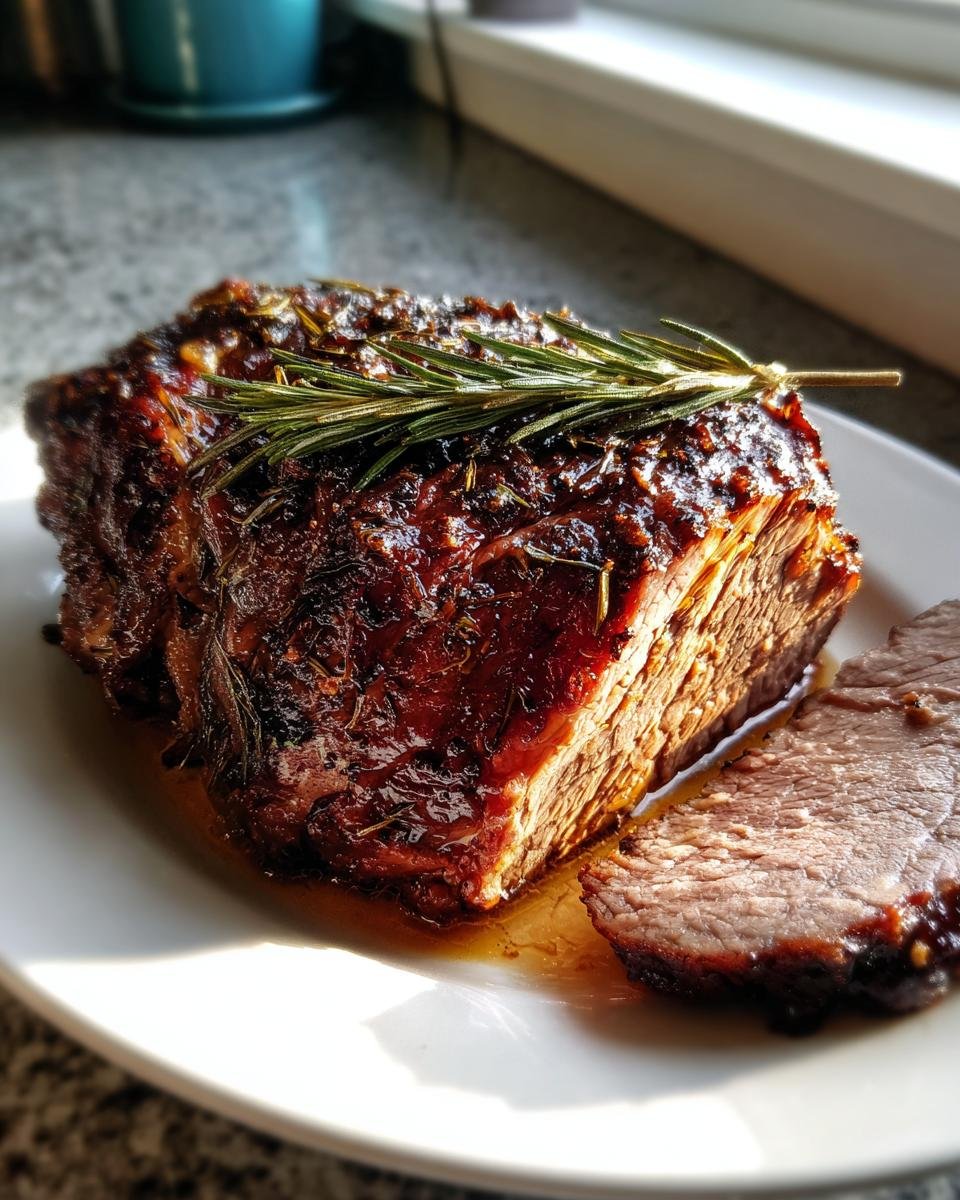
The real indicator of doneness for this **Pork Roast** is using your meat thermometer. You are aiming for an internal temperature of 145 degrees Fahrenheit. When you hit that magic number, pull it out immediately! Don’t skip the final 15-minute rest, either. That resting period lets all those precious juices redistribute back into the meat fibre, ensuring your final slices aren’t dry messes. If you want a fantastic crispy skin, increase the heat to 400 degrees for the last 20 minutes—but only do that if you’re aiming for that crackling!
Expert Tips for a Better Pork Roast Every Time
I’ve learned a few tricks over the years that really elevate this simple **Pork Roast** from good to absolutely unforgettable. One thing that matters more than people realize is what you roast it in. I prefer a slightly shallower roasting pan rather than a super deep Dutch oven. Why? Because it allows the heat to circulate more evenly around the sides and top of the roast, which helps in getting that beautiful crust all around.
You absolutely must let the roast rest for that full 15 minutes after it comes out. I know you hear this all the time, but think about it—all those juices are agitated from three or four hours in the oven! If you slice it right away, they all flood onto your cutting board. During that rest, the meat tightens up and drinks those juices back in, making every slice incredibly flavorful.
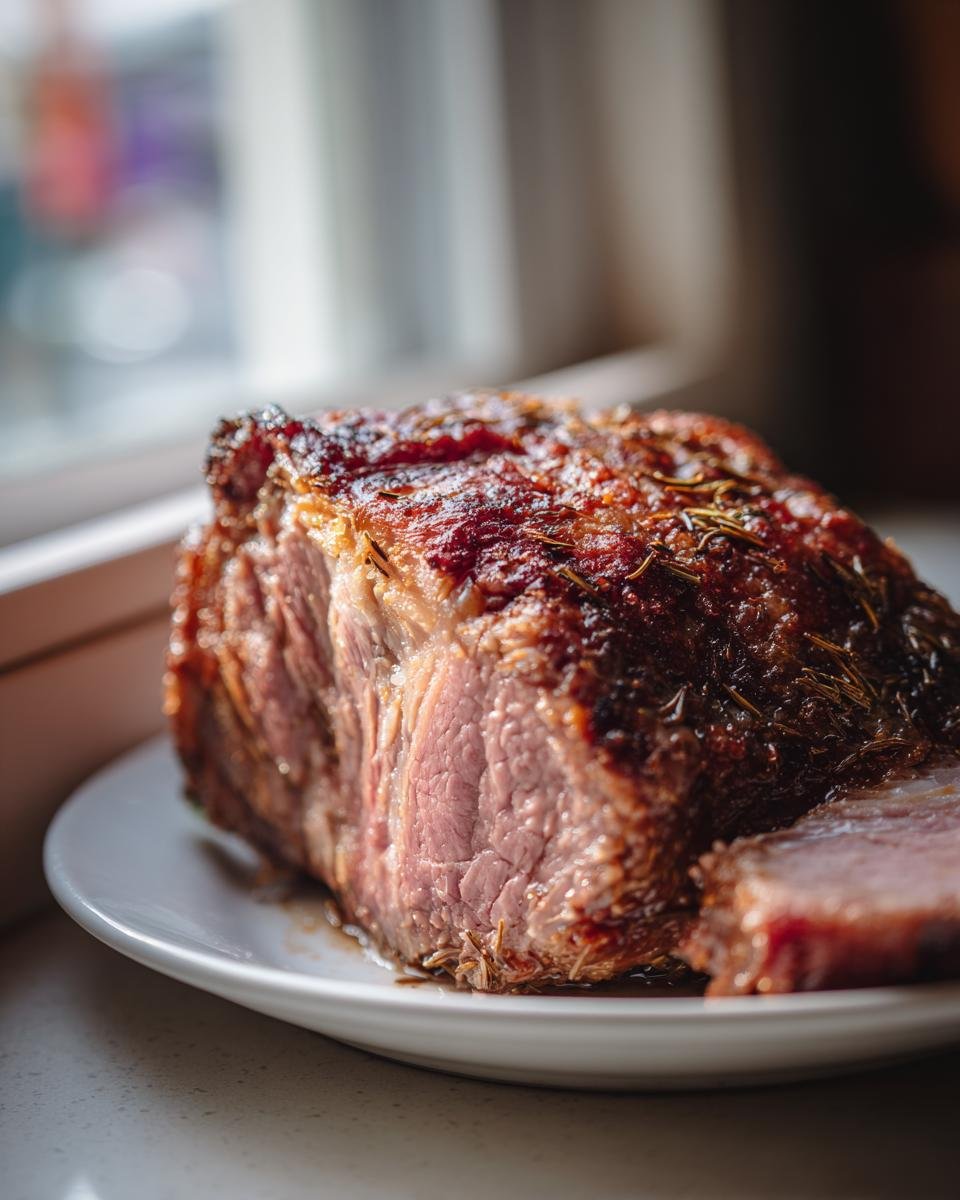
Here’s my absolute must-do: don’t pour out those drippings once the roast comes out! If you scrape up those browned bits in the bottom of the pan after removing the roast, you have the base for the most incredible gravy. It’s pure flavor gold that you just don’t get from a packet mix. If you struggle with slow roasting in general, check out my tips on slow-roasting lamb—the principles are very similar!
Serving Suggestions for Your Delicious Pork Roast
Now that you have this incredible, fork-tender meat, the fun part begins: what are we serving with it? Because this slow-cooked shoulder is so rich and savory, I like to keep the sides classic and complementary. We want things that soak up those amazing pan juices but don’t fight the rosemary and garlic flavor profile.
My first recommendation, hands down, is a creamy heap of mashed potatoes. You can dump a little bit of that rendered fat and those brown sticky bits from the bottom of the roasting pan right into your mash for instant flavor elevation. It’s a simple trick that makes the whole plate sing!
For a vegetable, you can never go wrong with roasted root vegetables. Carrots and parsnips tossed with olive oil and a touch of salt are perfect companions, roasting right alongside your main dish for easy clean-up. If you want to try something a little different but still easy, you should look at my recipe for Parmesan Garlic Roasted Carrots; they add a nice little sharp kick.
If you need something bright and green, some simple steamed green beans tossed with a little lemon zest will cut through the richness of the pork perfectly. Keep it simple, keep it homemade, and you’re set for an amazing dinner!
Storage and Reheating Instructions for Leftover Pork Roast
The worst thing about making an incredible **Pork Roast** is realizing you’ve eaten it all! But trust me, leftovers are just as good if you treat them right. Once the roast has completely cooled, you need to store it in an airtight container. I usually let it chill in the fridge for about three or four days; any longer than that and I worry about quality.
When you’re ready for round two, please don’t just microwave a big slab—that dries it out instantly! The real trick is slicing the leftover meat thin, against the grain, and then reheating it gently in a skillet with a little bit of your saved pan juices, broth, or even just water. This steam bath keeps every single piece moist and flavorful. It’s almost as good as the first night! For more low-and-slow leftover magic, check out how I handle my slow-cooked brisket!
Frequently Asked Questions About Making a Pork Roast
I get so many great questions when people try my recipes for the first time, and that’s fantastic! Roasting pork can feel intimidating, but once you ask the right questions, you realize it’s genuinely straightforward. Here are some of the things I hear most often when readers are trying to nail that perfect **Pork Roast** at home.
Can I cook this recipe in a slow cooker instead of the oven?
Oh, absolutely! If you need your oven free or prefer the crockpot method, this recipe translates perfectly to low and slow cooking. Just skip the initial patting dry and seasoning step that happens on the counter. You can place the roast right into the slow cooker, dump in the water, and cook on low for about 6 to 8 hours, or until it’s completely falling apart. It won’t get that nice crisp skin from the oven, but the tenderness will be unreal!
Why is my slow roast pork always dry in the center?
Nine times out of ten, a dry roast means it spent too much time in the oven past the safe internal temperature. With slow roast pork, you have to stop looking at the clock and start trusting your thermometer. If you cook pork until it’s well past 150 degrees, even if it was juicy at 145, the residual heat will push it way up, and you end up losing moisture. That 15-minute rest is non-negotiable, too—it really helps lock in what moisture is left!
What is the very best cut of pork for an oven roasted pork?
For this specific recipe, where we are aiming for that fall-apart, shreddable texture, you need the pork shoulder, sometimes called pork butt or Boston butt. It’s cut from the shoulder, and it has tons of connective tissue and fat weaving throughout the muscle. This collagen melts during the long, low cooking time, basting the meat from the inside out. Tenderloins or chops are leaner and need much shorter cooking times, so they won’t work here at all!
If I want to use an Instant Pot for garlic pork, can I adapt this rub?
Yes, you definitely can adapt the flavor! While you can use this exact spice blend in the Instant Pot—just add everything in with about one cup of liquid, perhaps some chicken broth instead of water—remember that the texture will be totally different. I’ve got a whole separate recipe specifically for Instant Pot garlic pork tenderloin if you want to go that route, as it cooks so much faster and results in a shreddable, almost braised texture rather than a traditional roast.
Nutritional Estimates for This Simple Pork Roast
I always keep this recipe in the rotation because it’s surprisingly satisfying without weighing you down too much. Since this feeds about six of us generously, these numbers are based on 5 ounces of the cooked meat per serving. Remember, these are just estimates, of course, based on the base ingredients we used, but it gives you a good ballpark idea of what you’re eating.
For a generous serving of this roast, here is what you are generally looking at:
- Calories: About 350 per serving. That’s a solid main course!
- Protein: We are rocking about 40 grams of protein, which is fantastic for keeping you full until the next meal.
- Fat: Around 20 grams total. Remember, pork shoulder is a marbled cut, so this comes partly from the good flavor fats that render down during cooking.
- Sodium: This comes in around 650 mg, mostly from our necessary salt rub, so keep that in mind if you’re watching your salt intake throughout the day.
- Carbohydrates: Almost negligible here, just 1 gram of carbs, which is great if you’re pairing it with veggie-heavy sides instead of big starches.
It’s a wonderfully lean and high-protein dinner when you stack it up against other slow-cooked meats. Enjoy!
Share Your Experience Making This Pork Roast
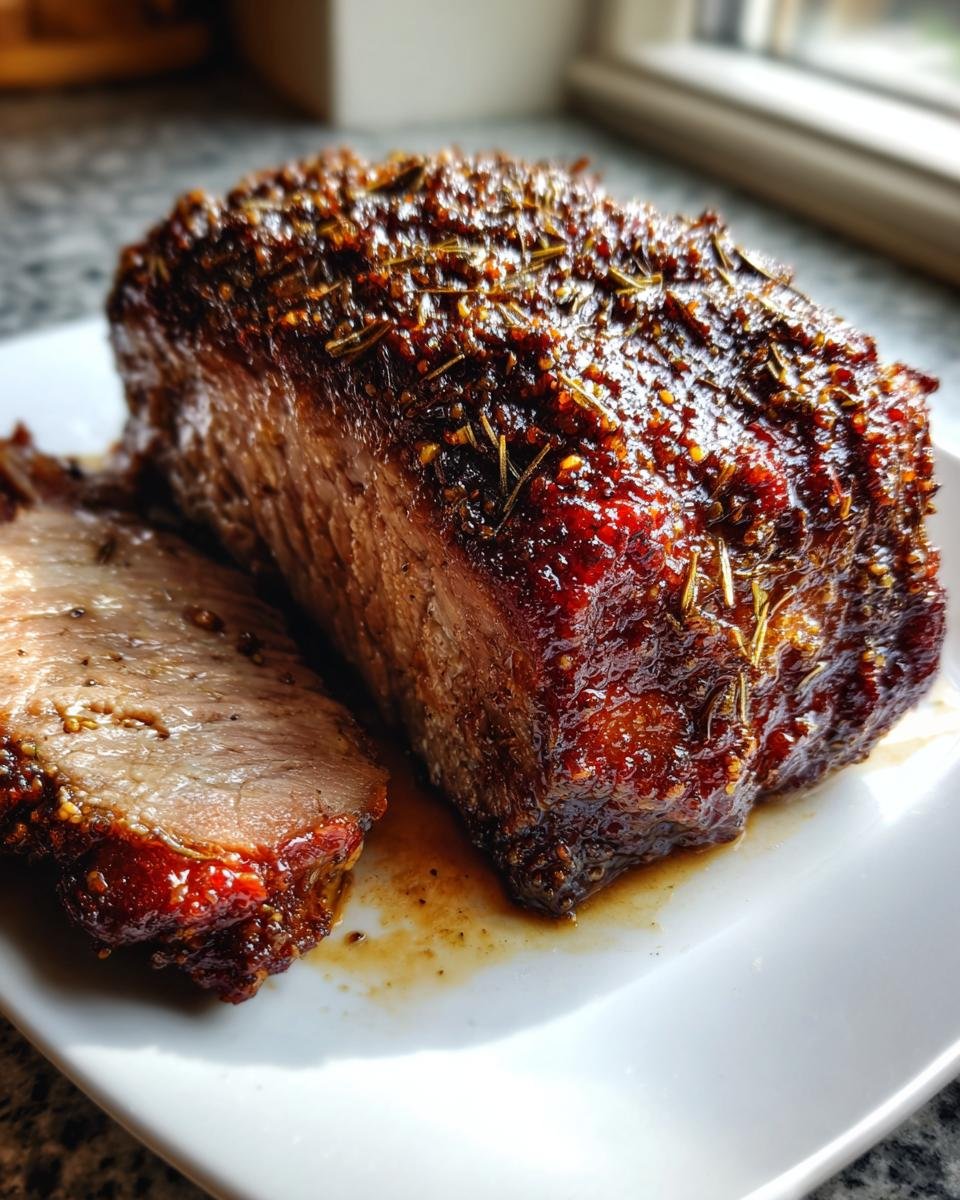
Now that you’ve followed all my little secrets and pulled that perfectly tender **Pork Roast** out of the oven, I really want to hear about it! Did you go for the crispy skin or keep it soft and juicy all the way through? Did your family even realize how unbelievably simple this recipe actually is?
Seriously, don’t be shy! Jump down to the comments section below and leave me a rating. Tell me what you served alongside it, or if you tweaked the spice rub at all. Knowing that you mastered this technique and brought a delicious, tender roast to your own table is the greatest reward for me. Happy cooking!
Print
Simple Pork Roast
- Total Time: 255 min
- Yield: 6 servings 1x
- Diet: Low Fat
Description
A straightforward recipe for a tender and flavorful pork roast.
Ingredients
- 3 lb pork shoulder roast
- 2 tablespoons olive oil
- 1 tablespoon salt
- 1 teaspoon black pepper
- 1 teaspoon garlic powder
- 1 teaspoon dried rosemary
- 1/2 cup water
Instructions
- Preheat your oven to 325 degrees Fahrenheit.
- Pat the pork roast dry with paper towels.
- In a small bowl, mix the salt, pepper, garlic powder, and rosemary.
- Rub the spice mixture evenly over the entire surface of the pork roast.
- Pour the olive oil over the roast and rub it in.
- Place the roast in a roasting pan.
- Pour the water into the bottom of the roasting pan.
- Roast for approximately 3 to 4 hours, or until an internal temperature of 145 degrees Fahrenheit is reached.
- Remove the roast from the oven and let it rest for 15 minutes before slicing.
Notes
- For crispier skin, increase the oven temperature to 400 degrees Fahrenheit for the last 20 minutes of cooking.
- Use a meat thermometer to check for doneness accurately.
- Prep Time: 15 min
- Cook Time: 240 min
- Category: Dinner
- Method: Roasting
- Cuisine: American
Nutrition
- Serving Size: 5 oz cooked
- Calories: 350
- Sugar: 1
- Sodium: 650
- Fat: 20
- Saturated Fat: 7
- Unsaturated Fat: 13
- Trans Fat: 0
- Carbohydrates: 1
- Fiber: 0
- Protein: 40
- Cholesterol: 110
Keywords: pork roast, slow roast pork, oven roasted pork, pork shoulder recipe