
Oh my gosh, I swear cornmeal is the unsung hero of the pantry! Seriously, it can go from dusty yellow powder to the most comforting side dish you’ve ever had. When people ask me for basic, can’t-mess-it-up recipes, I always point them to this one. Forget all those fancy gadgets; this is all about the tried-and-true stovetop method for the creamiest results you can imagine. This is my go-to for amazing Polenta Recipes.
I remember the first time I had polenta properly made—it was smothered under slow-braised short ribs at a tiny restaurant, and it was like eating warm silk. That moment changed everything! Since then, this simple stovetop version has been perfected in my kitchen. It doesn’t require anything special, just patience during the stirring phase. Follow these steps, and you’ll never buy the instant stuff again, trust me on this one!
Mastering Creamy Stovetop Polenta Recipes: Ingredients You Need
When we talk about truly creamy Polenta Recipes, the quality of what goes in really matters. You don’t need a long list, but you need the *right* stuff. Seriously, treat these simple ingredients with respect, and the payoff is huge. We are keeping this classic and pure, focusing on the exact details that make it sing on the table.
If you ever wanted to try making cornbread from scratch after this, check out my guide on homemade cornbread—it uses a similar base but with a different approach!
Essential Components for Perfect Polenta Recipes
Here is exactly what you need to gather before you even turn on the stove. Don’t eyeball the measurements here; precision during the setup stage saves endless headaches later!
- 4 cups of water (It’s crucial to start with this ratio!)
- 1 teaspoon salt
- 1 cup yellow cornmeal, medium grind (This is non-negotiable for texture!)
- 2 tablespoons unsalted butter (We want that clean, rich flavor.)
- 1/4 cup grated Parmesan cheese (Make sure it’s freshly grated, please!)

Just one quick tip: if you want to bump up the savoriness immediately, swap out half of that water for a good quality chicken or vegetable broth. It makes a world of difference in the final depth of flavor for your polenta.
Step-by-Step Instructions for Simple Creamy Polenta Recipes
Okay, so this is where the magic—and the arm workout—happens! You need 40 minutes of focused attention for the absolute best creamy texture, but I promise it’s worth every stir. Remember, we are aiming for silkiness here, which means no lumps allowed! If you’re making a rich mushroom ragu or maybe something saucy like my alfredo, you want this polenta to cradle that sauce perfectly.
Preparing the Base Liquid and Cornmeal
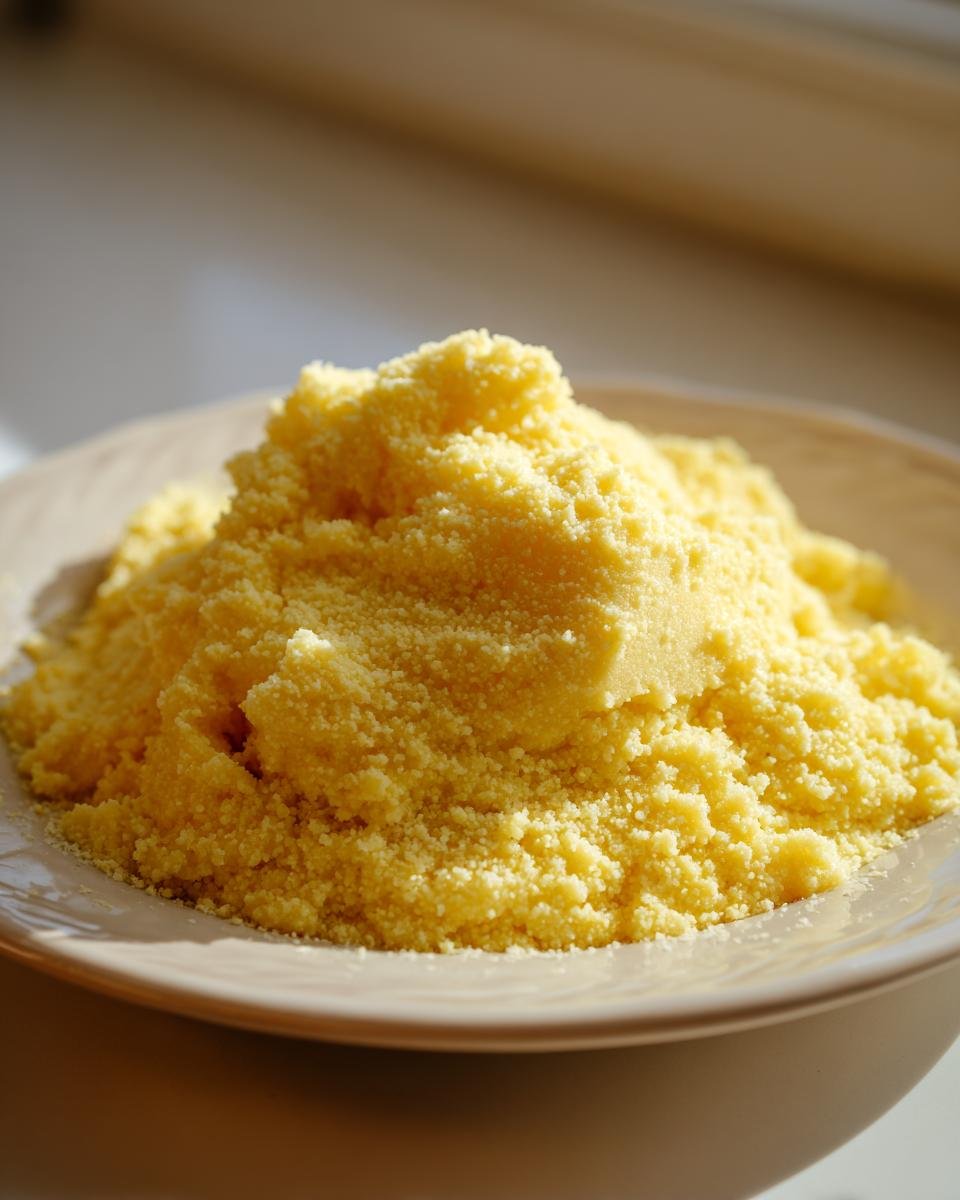
First things first: get a heavy-bottomed saucepan. This is crucial! It spreads the heat out evenly so you don’t scorch the bottom. Bring your four cups of water and the salt right up to a rolling boil. Now, here’s the lump prevention trick: once it’s boiling, grab your cornmeal and start whisking immediately. Pour that cup of cornmeal in a super slow, thin stream while you whisk like your life depends on it! If you dump it all in, you get clumps, and nobody wants grumpy polenta lumps.
The Slow Cook: Achieving Creamy Polenta Recipes Texture
Once that cornmeal is whisked in and it looks a bit like cloudy soup, drop the heat way down to low. Low and slow is the secret handshake for luxurious Polenta Recipes. You have to stir frequently—I’m talking every minute or two—using a sturdy wooden spoon, scraping the bottom well. It takes patience, maybe 30 to 40 minutes total. You’ll know it’s time to stop when it’s quite thick, bubbling lazily, and actually starts pulling away cleanly from the sides of the pan when you stir it back.
Finishing Touches for Rich Polenta Recipes
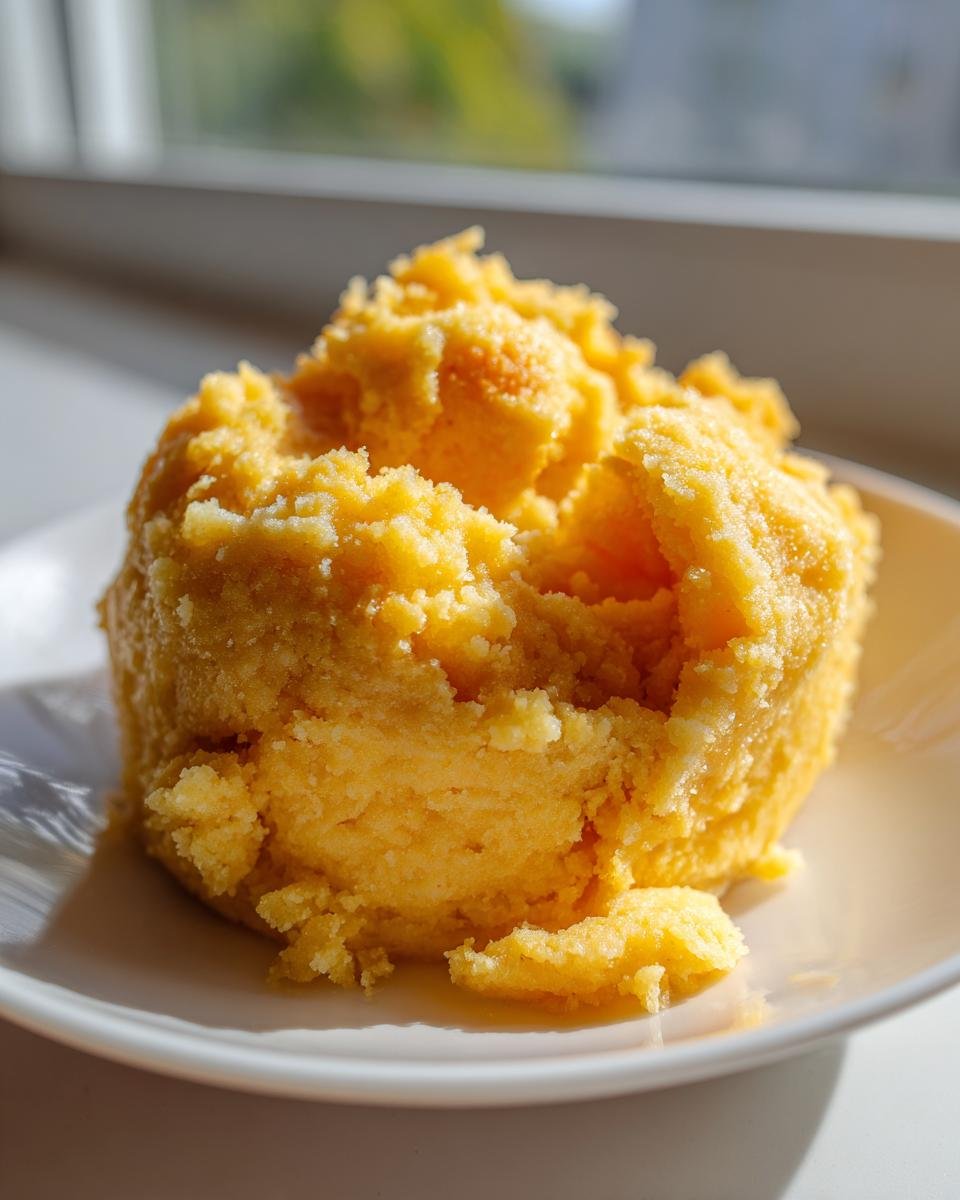
As soon as you hit that perfect thickness, take the whole pan off the heat immediately! This is important so the cheese doesn’t get stringy. Stir in your two tablespoons of butter—watch it melt right into the heat—and then fold in that grated Parmesan until it’s completely melted and the polenta is glossy. Taste it, adjust salt if you need to, and get this beautiful, creamy goodness straight onto the plates!
Tips for Success with Creamy Polenta Recipes
You went through the stirring marathon, and now you have perfect polenta. Fantastic! But sometimes, life happens, and you get distracted, or maybe you just want to make a big batch. Don’t panic if things shift! Good Polenta Recipes are forgiving if you know the tricks.
I often make a huge batch and plan to use the leftovers for something amazing later, maybe even shaping it, frying it, and serving it with something garlicky, sort of like a fun base for garlic butter pasta components!
Adjusting Consistency: What to Do If Polenta Gets Too Thick
This is the most common ‘oops’ moment: you reheat refrigerated polenta, and it’s turned into a solid brick. Totally normal! The starch tightens up as it cools down. The fix is super simple. When reheating on the stove, stir in a splash of hot water or maybe even a dash of milk. Keep adding liquid bit by bit until you reach that lovely, soft consistency you loved right out of the pot. Never use cold liquid, or it’ll cool down your whole batch!
Flavor Variations for Your Polenta Recipes
While this base recipe is pure Italian gold, you can totally jazz it up if you feel creative. Beyond swapping water for broth, try roasting a head of garlic and mushing those sweet cloves right into the butter and Parmesan at the end. Wow, the depth of flavor is incredible!
Or, if you’re serving this alongside something savory, add some fresh, finely chopped rosemary or sage right before serving. Just a tiny pinch! It makes these Polenta Recipes feel gourmet without adding any real work. It’s my secret weapon for weeknight dinners!
Serving Suggestions for Your Polenta Recipes
Okay, so you’ve fought the good fight, you’ve stirred diligently, and now you have this gloriously creamy base. What do you eat with it? Honestly, creamy polenta is like the ultimate edible mop for soaking up magnificent sauces, which is why I love it so much!
It’s the best kind of side dish because it doesn’t just sit there; it actively participates in the meal. Forget plain rice or potatoes sometimes—this is where you bring the elegance!
For a truly hearty and comforting meal, you absolutely need to serve this with something rich. Think about a slow-cooked ragu, like mushroom or beef—it pools perfectly in the center. If you’ve been looking for an amazing main course to pair this with, my Chicken Parmesan is fantastic sitting right on top of a bed of this polenta. The cheese crust contrasts so nicely with the smooth cornmeal.
But my absolute favorite way to serve it for a slightly quicker meal is with something slightly charred and savory, maybe like my Onion Pepper Steak recipe, drained slightly so the juices drip down into the warm polenta. It’s restaurant quality without the fuss, I swear!
And don’t forget simple additions! A drizzle of good quality olive oil or a sprinkle of fresh parsley right before serving those Polenta Recipes just elevates the whole plate. It’s ready for anything!
Storage and Reheating Instructions for Leftover Polenta
I always make too much, partly because I love eating it the next day, and partly because I can never stop stirring when it tastes that good! The good news is that leftover creamy polenta is surprisingly easy to deal with, but you have to know the trick to bring it back to life. If you plan on saving some of your amazing Polenta Recipes, listen up!
You can absolutely store leftovers, but you need to expect drama when you try to reheat it. That creamy, flowing texture you worked so hard for goes stiff as a board once it hits the fridge. Don’t even try to microwave it straight out of the container; you’ll just end up with gritty, unevenly heated patches.
When it comes to storage, spoon the cooled polenta into an airtight container. It should keep perfectly fine in the refrigerator for about three to four days. It’s going to look a little sad and dense when you pull it out—trust me!
For reheating, you must add moisture back in. Place the amount you want to eat into a saucepan over medium-low heat. Then, you need to stir in a splash of hot water or milk—hot is always better so it doesn’t cool down the batch too fast. Keep stirring and adding just a little liquid at a time until it loosens up and gets that beautiful, flowing consistency again. It might take a few minutes, but keep stirring! You’ll soon have that delicious texture back, ready for a final sprinkle of Parmesan.
Understanding the Basics of Cornmeal in Polenta Recipes
I think people often overlook the cornmeal itself when they’re trying to figure out why their Polenta Recipes aren’t turning out right. It’s not just ‘cornmeal’—the grind size absolutely dictates the final texture of your dish. If you use the wrong one, you get something closer to grits or just a heavy mush, and we want that velvety smooth experience!
For this recipe, I insisted on medium grind yellow cornmeal. Why? Because fine grind tends to get pasty way too fast, and coarse grind usually leaves you with a slightly grainy, gritty texture even after 40 minutes of stirring. The medium grind is the happy medium; it breaks down enough during that slow simmer to release its starches and create that signature creaminess, but it retains just enough body so it doesn’t turn into wallpaper paste.
When you’re at the store looking for your supplies, grab the bag that says ‘medium grind’ or ‘polenta grind’ specifically. Don’t just reach for the finely ground corn flour they use for dusting pizza peels, or you’ll end up with a completely different result for your Polenta Recipes. Knowing your ingredients truly starts with understanding how they behave under heat!
Frequently Asked Questions About Making Polenta
I know you probably have a few burning questions after tackling that long stirring time! But honestly, once you master this basic method, these Polenta Recipes become totally intuitive. Here are a few things I get asked about all the time when people are trying this for the first time.
If you’re looking for something really hearty to eat with that polenta, especially one that demands a creamy base, you have to try my creamy cheesy beef rigatoni—it’s intense comfort food!
Can I make this Polenta Recipe ahead of time?
Yes, you absolutely can! Like I mentioned earlier, it will solidify into a block when chilled, but that’s fine. If you’re planning ahead, just pour the cooked, soft polenta into a greased pan or container and let it cool completely before covering it. When you’re ready to reheat it later, you must remember to stir in liquid—I prefer hot water or hot broth—a little bit at a time on the stovetop until you get that flowing texture back. It takes about 5 to 10 minutes of gentle warming and stirring.
What is the difference between grits and polenta?
This is a classic confusion, I get it! In the U.S., sometimes the terms get used interchangeably, but technically, they are different because of the corn they use and how coarse they are ground. Polenta traditionally uses flint corn and is usually a bit more yellow and can be ground fine, medium, or coarse. Grits are generally made from a different variety, the dent corn, and are almost always ground finer than the medium grind we used here. For this creamy dish, our medium grind is perfect; it’s intended to be the Italian style, whereas true grits usually have a slightly rougher texture.
Is this recipe truly vegetarian?
Yes, it is, as written with the water base! The core ingredients—cornmeal, salt, butter, and Parmesan—are all vegetarian-friendly. However, if you decided to follow my earlier suggestion and substitute half the water for broth to get that richer flavor, you absolutely must make sure you are using a high-quality vegetable broth. If you use chicken broth, well, then it’s not vegetarian anymore, right? Always check your broth labels if that’s important for your meal!
Nutritional Estimates for Simple Creamy Polenta
Look, I’m a home cook, not a nutritionist! I want you to enjoy this amazing, easy dish, not stress over every tiny gram of fat. But I know some of you like to keep track, so I ran these basic ingredients through a calculator just to give you a ballpark idea of what you’re consuming. Remember, this is based on using water and standard butter amounts, and it divides everything by four servings, which is a decent helping!
These numbers are just guidance for your Polenta Recipes; they will change wildly if you swap water for broth or use a fancier cheese. Take it with a grain of salt—or maybe a grain of cornmeal!
- Serving Size: 1 cup cooked
- Calories: Roughly 220
- Fat: About 7g
- Saturated Fat: Around 4g
- Carbohydrates: 35g
- Protein: 7g
- Sodium: 450mg (a bit high because of the added salt and Parmesan, so season carefully!)
Seriously, these estimates are based on the simplest version of my recipe. If you load it up with heavy cream or rich sausage gravy later on, those numbers are going right out the window! I always say, the best way to know exactly what’s in your food is to know every bag and shaker that went into it, which is why learning these basic Polenta Recipes from scratch is so rewarding.
Share Your Perfect Polenta Recipes Experience
I have shared my secrets, I’ve given you the full rundown on why that medium grind matters, and I’ve walked you through the 40 minutes of stirring required to get that incredible, velvety texture. Now it’s your turn! I genuinely want to know how these simple Polenta Recipes worked out for you at home.
Did you try swapping the water for broth? Did you serve it with roasted vegetables or maybe load it up with a decadent meat sauce? Don’t keep those victories a secret! The kitchen is all about sharing and learning from each other, and your little twists might be exactly what the next person needs to try.
Please take a minute to leave a star rating right below this section so others can see how much you loved it. And drop a comment telling me what you served it with! If you tried adding rosemary or roasting garlic—tell us all about it! Hearing about your successes makes all the stirring I did worth it. If you ever have questions or want to share a picture of your creamy masterpiece, feel free to reach out via my contact page!


Simple Creamy Polenta
- Total Time: 45 min
- Yield: 4 servings 1x
- Diet: Vegetarian
Description
A basic recipe for soft, creamy polenta cooked on the stovetop.
Ingredients
- 4 cups water
- 1 teaspoon salt
- 1 cup yellow cornmeal (medium grind)
- 2 tablespoons unsalted butter
- 1/4 cup grated Parmesan cheese
Instructions
- Bring the water and salt to a boil in a heavy-bottomed saucepan.
- Slowly whisk in the cornmeal in a steady stream to prevent lumps.
- Reduce the heat to low. Continue to stir frequently with a wooden spoon or whisk for 30 to 40 minutes, or until the polenta is thick and pulls away from the sides of the pan.
- Remove the pan from the heat. Stir in the butter and Parmesan cheese until fully incorporated.
- Serve immediately.
Notes
- For richer flavor, substitute half of the water with chicken or vegetable broth.
- If the polenta thickens too much while standing, stir in a little hot water or milk to reach your desired consistency.
- Prep Time: 5 min
- Cook Time: 40 min
- Category: Side Dish
- Method: Stovetop
- Cuisine: Italian
Nutrition
- Serving Size: 1 cup cooked
- Calories: 220
- Sugar: 1
- Sodium: 450
- Fat: 7
- Saturated Fat: 4
- Unsaturated Fat: 3
- Trans Fat: 0
- Carbohydrates: 35
- Fiber: 3
- Protein: 7
- Cholesterol: 15
Keywords: polenta, cornmeal, creamy polenta, side dish, Italian side