
There are nights, right? You get that deep, unmistakable craving for takeout, that sweet and savory, sticky sauce coating perfectly tender beef. But then you remember how greasy your last delivery was, and honestly, you know you can do better at home. Well, stop dreaming and grab your wok, because I finally cracked the code! This is, hands down, the most straightforward and flavorful **Mongolian Beef** recipe you will ever try. I perfected this **Mongolian Beef** recipe after years of trying to replicate my favorite local spot, focusing only on the essentials—no complicated steps, just pure, deep deliciousness ready in under 30 minutes. Trust me, once you make this, you won’t be dialing for delivery anymore!
Why This Easy Mongolian Beef Recipe Works So Well
I know you’re probably scrolling through recipes thinking, “Great, another stir-fry that takes forever.” But hang on! This recipe truly shines because it respects your time while delivering huge flavor. We are focusing on getting that perfect sweet and savory balance every time, with barely any dishes in the sink afterward—bonus points!
This isn’t some complicated multi-day marinade situation. It’s designed for a weeknight, but it tastes like a weekend treat. I think the secret to why people love my version of **Mongolian Beef** comes down to a few key pointers:
- The flavor build is lightning fast. Everything hits the pan warm, and the sauce thickens up almost instantly thanks to the cornstarch, meaning you aren’t waiting around for bubbling reduction.
- Minimal Cleanup! Seriously, it’s one sauce bowl and one skillet. Since we cook the steak quickly, we skip the heavy dredging and deep frying other versions require. Less oil splatter is always a win in my book!
- The texture payoff is huge compared to the effort. You get crispy edges on the beef without burning the garlic or scallions. It’s truly that perfect combination of tender and slightly chewy. If you love quick Asian flavors, you should definitely check out my recipe for easy Kung Pao Beef next time, too! Kung Pao Beef

Perfectly Tender Steak for Your Mongolian Beef
This is where you can’t skimp on technique! The cut we use, flank steak, is tough if you don’t treat it right. The absolute critical move is slicing it thinly *against the grain*. If you don’t slice correctly, you end up chewing forever, and nobody wants that in their delicious **Mongolian Beef**!
I find slicing it when it’s slightly frozen—just firm to the touch—helps me get those paper-thin strips you see at great restaurants. You only need 15 minutes in the marinade, just enough time for the soy sauce and ginger to get in there and start tenderizing the surface. That’s it. Quick thinking equals tender results!
The Quick Stir-Fry Method
The biggest mistake people make when stir-frying is overcrowding the pan. If you dump all the steak in at once, the temperature drops immediately. Suddenly, instead of searing, you are simmering and boiling your meat! Nobody wants that soggy texture.
We cook this in batches on a high flame. High heat means searing, which creates those delicious browned edges we are looking for. Once the bits are caramelized, pull them out and let them chill for a minute while you cook the next round. When you return the first batch to add the sauce, everything stays hot, and the resulting sauce thickens up beautifully around the already seared beef. That’s how you nail a great stir-fry every single time.
Gathering Ingredients for Authentic Mongolian Beef
Okay, let’s talk about what you need to make this fantastic **Mongolian Beef**. Because this recipe is so short, every single ingredient has to pull its weight, so don’t go swapping things out unless you absolutely have to! We need about one pound of flank steak, and please, please make sure you slice it thinly against the grain—that’s the magic preparation tip we talked about.
For the sauce blend, which does all the heavy lifting here, whisk together a quarter cup of soy sauce with an equal amount of water. Into that goes two tablespoons of brown sugar for that deep sweetness, along with one tablespoon of cornstarch. Don’t forget the flavor boosters! We need one tablespoon of sesame oil, one teaspoon of ground ginger, and two cloves of garlic, which you’ll want to mince up really fine. When it comes time to cook, just have one tablespoon of vegetable oil ready for the pan. And finally, for that vibrant finish that makes it look restaurant-worthy, slice up two green onions for garnish and grab a teaspoon of sesame seeds to sprinkle over the top. If you’re looking for another easy beef dish using similar flavor bases, check out my Onion Pepper Steak Recipe!
Step-by-Step Instructions for Making Mongolian Beef
Alright, let’s get cooking! This recipe moves fast once you start the heat, but the prep is laughably simple. The whole process, from mixing the sauce to plating the finished **Mongolian Beef**, takes less than half an hour. Make sure your steak is sliced thin according to those instructions we discussed earlier, and that you have everything else lined up because we won’t have time to hunt for the cornstarch once the wok is scorching hot!
We treat this like a two-part dance: first, we build the flavor base and let the beef rest for just a moment. Then, it’s all high heat chaos, which resolves itself into that perfect sticky sauce. Ready to see how easy restaurant magic can be? If you need another fast stir-fry in your rotation, definitely bookmark my Easy Kung Pao Beef Recipe!
Preparing the Mongolian Beef Sauce and Marinade
First things first, let’s make that magical sauce base. Grab a medium bowl—no fancy gadgets needed here! You want to whisk together the soy sauce, the water, the brown sugar, the cornstarch, the sesame oil, the ginger, and all that minced garlic. Whisk it well until you can’t see any clumps of cornstarch floating around. That’s important; we don’t want lumps in our finished sauce!
Once your sauce looks smooth and glossy, take your thinly sliced flank steak and toss it right in there. Make sure every single piece gets coated nicely. Then, you just let it hang out. Fifteen minutes is all it needs. Seriously, set a timer! This quick marinade gets the meat seasoned and starts that tenderizing process for your **Mongolian Beef**.
Cooking the Steak and Thickening the Sauce
Time for the heat! Get a large skillet or a wok screaming hot over medium-high heat, and add your tablespoon of vegetable oil. Remember what I said: we have to work in batches. Take the steak out of that marinade mixture—let the excess drip off—and lay the pieces down in the hot pan in a single layer. If you pile it up, the temperature drops, and you end up steaming the meat, which ruins that nice texture we worked so hard to achieve.
Sear each batch for just two to three minutes per side until you see some good browning—it cooks surprisingly fast! Once all the beef is seared and pulled back out, pour ALL the rest of that marinade that was sitting in the bowl straight into the hot skillet. Keep stirring constantly; you’ll see it bubble up almost immediately. Within a minute or two, it will tighten up and thicken gorgeously around the beef. When it’s right, just toss your cooked steak back in to warm it through and get coated in that lovely glaze. For more amazing beef flavors, take a peek at my guide for Savory Garlic Steak and Potatoes!
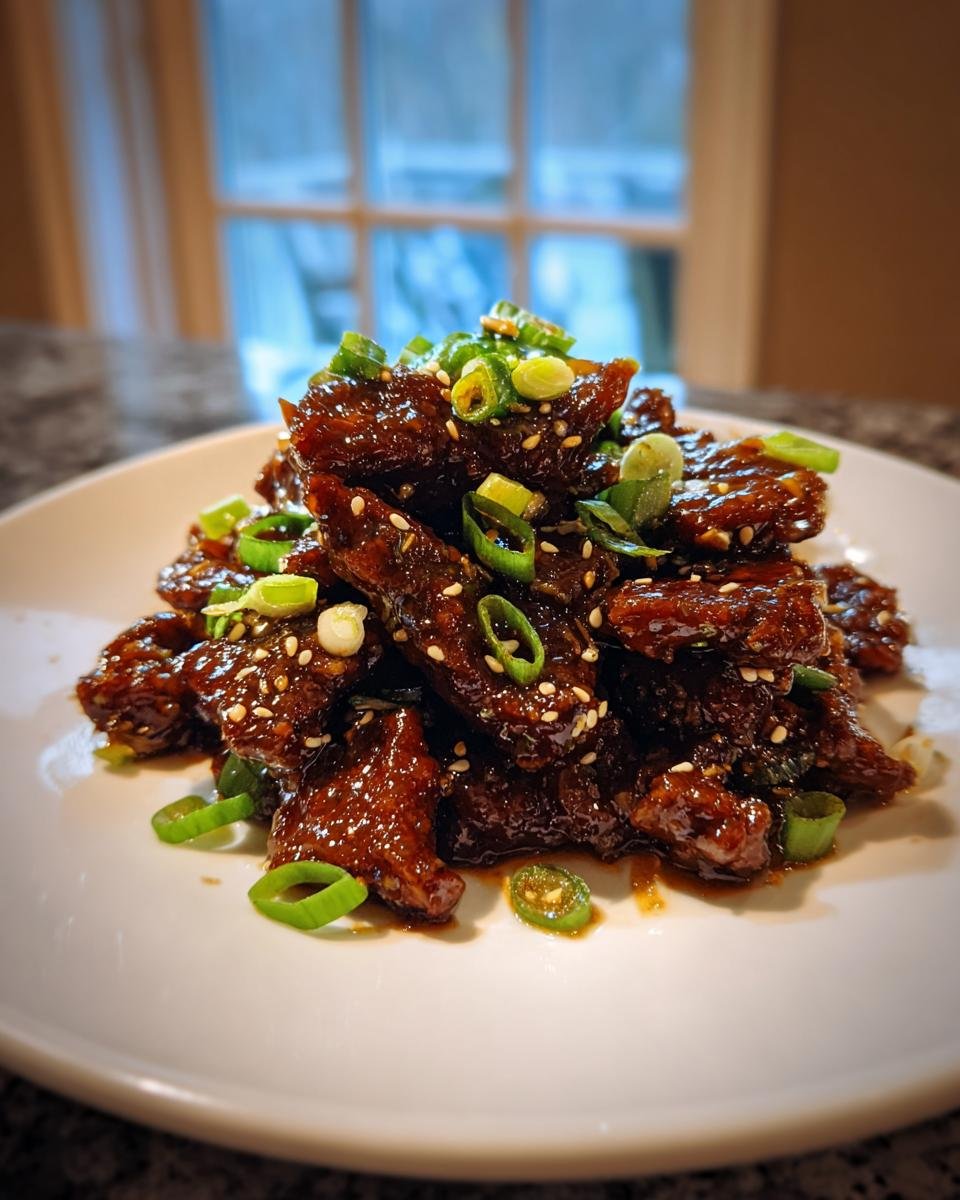
Expert Tips for the Best Mongolian Beef Experience
You’ve got the hang of the cooking process now, but every great recipe has a few little secrets that separate the good from the *amazing*. My notes from trying to nail this **Mongolian Beef** recipe kept pointing to a few things that make serving time so much easier and the cleanup even quicker. Pay attention to these details—they make a huge difference!
First off, let’s talk about that flank steak prep, because this tip is a game-changer when slicing thin cuts. For the absolute best results and getting those near-perfect, easy slices, try this: partially freeze your steak. Yep! You want to wrap it tight and pop it in the freezer for maybe 20 to 30 minutes—just long enough so it gets firm but isn’t rock hard. It lets you slice against the grain super cleanly, which dramatically impacts the tenderness of your final **Mongolian Beef** dish.
Also, remember how I stressed whisking the sauce really well? That’s crucial because of the cornstarch. If you don’t whisk it until it’s completely smooth before it hits the hot pan, you’ll end up with pockets of gummy texture rather than that beautiful, even glaze. I always give the sauce one last quick whisk right before I pour the remainder into the hot skillet!
If you are feeling bold or if you want to bump up the heat level—maybe you had a spicier version at a restaurant once—don’t hesitate to add a little kick! In the marinade bowl, toss in about half a teaspoon of red pepper flakes along with everything else. It doesn’t usually overpower the savory-sweet flavor, but it gives you just that little warming bite on the finish. If you ever want to try something similar but with more spice, check out my Easy Kung Pao Beef Recipe for a totally different flavor profile!
Serving Suggestions for Your Mongolian Beef
So, you’ve made this incredible, sticky, flavorful **Mongolian Beef**, and now you’re staring at a gorgeous skillet of saucy goodness. While this recipe is designed to be amazing served piping hot over a big scoop of fluffy white rice—which is my go-to comfort meal—you might want to bulk up the dinner a bit, right?
Don’t worry, we have easy backup plans that let that amazing sauce shine! Since the beef has such a strong savory profile, you want sides that can soak up all that deliciousness. Steamed broccoli is my absolute favorite partner here. It’s healthy, and the bright green color looks fantastic next to the dark glaze. Just steam it until it’s tender-crisp, then toss a spoonful over your plate.
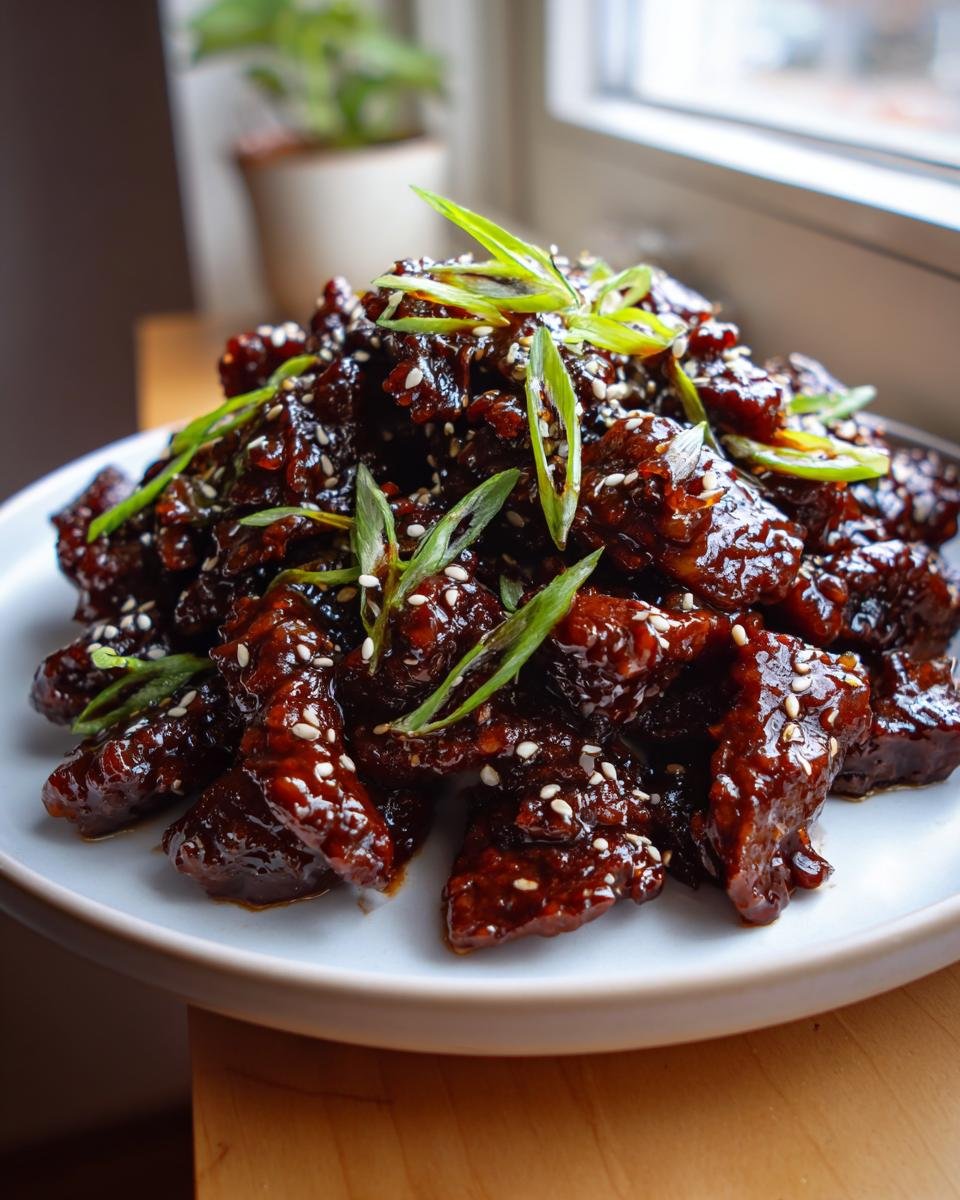
If you’re feeling extra hungry or maybe feeding a crowd, skip the rice and toss the beef directly with some lo mein noodles. Or, for something totally different, I often make a quick batch of Savory Chicken Fried Rice and heap the beef right on top. It turns a simple weeknight dinner into a true feast in minutes!
Storing Leftover Mongolian Beef
The biggest compliment you can give a recipe like this is having leftovers, right? Because this **Mongolian Beef** is so rich and flavorful, it’s honestly often even better the next day when the flavors have totally married together! That said, you can’t just leave it sitting on the counter—we need to treat this deliciousness with respect so it stays tasty.
The key thing here is containment. You absolutely must transfer any leftovers into a really good airtight container. Once it’s sealed up tight, you can keep it in the refrigerator for up to three days. Four days if you’re being optimistic, but I usually aim for three so I can enjoy it at its peak!
Now, reheating is where you have to be gentle. Since the beef cooks so fast and is sliced thin, if you blast it in the microwave on high for too long, it’s going to seize up and get chewy on you. That’s not what we want!
I recommend gently reheating it. If you are using a microwave, use 50% power and heat it in short 30-second bursts, stirring well between each one. This allows the sauce to warm back up slowly without re-cooking the meat aggressively. If you have a little time, heating it very gently in a skillet over low heat while you steam some fresh rice is the absolute best way to keep that tender texture intact. Trust me, a slow reheat makes all the difference!
Frequently Asked Questions About This Mongolian Beef
I always get a ton of questions when a recipe is this straightforward, which is great because it means you’re ready to jump in and cook! Here are the things I hear most often when folks are getting ready to make this easy weeknight **Mongolian Beef**.
Can I substitute the cut of beef in this Mongolian Beef recipe?
That’s a very common question! Since flank steak is our star here because it slices beautifully when partially frozen, what else works? You absolutely can use sirloin steak—it’s very forgiving and stays tender. If you use sirloin, you might not need that long of a marinade time, just 10 minutes probably. New York strip works too, though it’s a bit pricier! The main thing to remember across any substitution is that thin slicing against the grain is non-negotiable if you want that authentic, melt-in-your-mouth texture we are aiming for in our **Mongolian Beef** stir fry.
How can I make the sauce thicker if it is too thin?
Oops! Sometimes even with the right amount of cornstarch, if your heat dips too low or you don’t stir hard enough during that final simmer, the sauce can betray you and stay a little runny. Don’t panic! This is the easiest fix in the kitchen. You just need to activate a little more cornstarch. Take about one teaspoon of cornstarch and mix it with two teaspoons of cold water in a tiny separate dish—this is called a slurry. Whisk that slurry into your simmering sauce quickly, and keep stirring. It should thicken up almost instantly. If it’s still too thin after pouring that in, just repeat the process once more until you hit that perfect glaze consistency.
If you’ve been wondering about other simple beef meals that require similar pan work, you should take a look at my take on the Onion Pepper Steak Recipe; it uses a similar technique but leans heavier on fresh vegetables!
Another common concern I hear is about serving alternatives. While rice is the classic base, have you ever considered using crunchy chow mein noodles underneath? They soak up every drop of that sauce beautifully!
Nutritional Estimates for Simple Mongolian Beef
Now, I know we cook because it tastes amazing, not because we’re counting every single calorie, but sometimes it’s nice to have a little idea of what you’re putting together, especially when eating this phenomenal **Mongolian Beef** dish multiple times a week like I do!
Based on the ingredients list for a single serving—which this recipe easily makes two healthy portions—here are the ballpark numbers. Keep in mind these are just estimates, especially because the exact amount of sugar absorbed by the rice underneath can change things drastically!
- Calories: Roughly 350 per serving. It’s surprisingly low for something this decadent, which is great news!
- Protein: We’re looking at about 32 grams here, thanks to that lean flank steak. That’s powerhouse stuff!
- Fat: Around 18 grams total fat. Most of this comes from the beef and the small amount of sesame oil we use.
- Carbohydrates: About 15 grams. Remember, this estimate doesn’t account for the rice or noodles you serve it over, which will bump this number up!
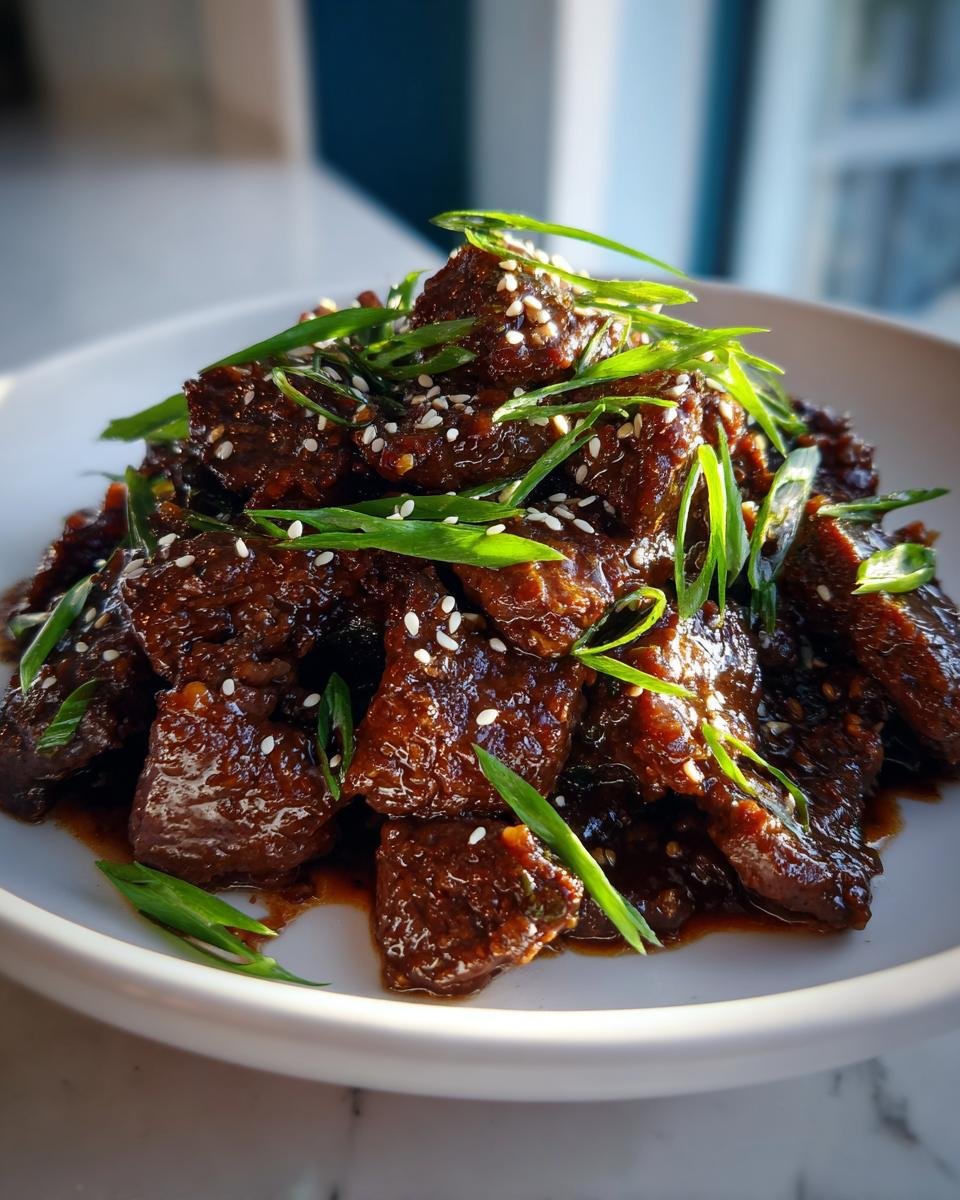
I always like to add a little disclaimer here, though. Those numbers are based strictly on the beef and sauce ingredients listed. If you use a slightly fattier cut of beef than flank steak, or if you go heavy on the brown sugar when mixing up your sauce, those factors will definitely change the final count. Use this as a general guide, but mostly, just enjoy how delicious and quick your homemade **Mongolian Beef** turned out!
Share Your Mongolian Beef Creations
And just like that, we’re through! You made a truly fantastic, take-out-quality **Mongolian Beef** right in your own kitchen. I always feel like a champion when I make this because it’s usually ready faster than the delivery driver could even get here! Now that you’ve finished cooking, the best part begins: sharing the success!
I genuinely want to know how it worked out for you. Did you use sirloin instead of flank steak? Did you try adding those red pepper flakes for a kick? Don’t keep the secrets to yourself!
Please, take a moment to hop down to the comments section below and tell me all about it. Give the recipe a rating—are we looking at a solid five stars for this glorious, sticky beef? If you took a picture of your glistening **Mongolian Beef** served up over rice, I’d love for you to tag me on social media; seeing your dishes really brightens my day! If you have any final questions about the technique or substitutions, or if you just want to chat about dinner ideas, you can always reach out through my contact page, too. Happy cooking until next time!
Print
Simple Mongolian Beef
- Total Time: 30 min
- Yield: 2 servings 1x
- Diet: Low Calorie
Description
A straightforward recipe for making classic Mongolian Beef at home.
Ingredients
- 1 pound flank steak, thinly sliced against the grain
- 1/4 cup soy sauce
- 1/4 cup water
- 2 tablespoons brown sugar
- 1 tablespoon cornstarch
- 1 tablespoon sesame oil
- 1 teaspoon ground ginger
- 2 cloves garlic, minced
- 1 tablespoon vegetable oil
- 2 green onions, sliced (for garnish)
- 1 teaspoon sesame seeds (for garnish)
Instructions
- In a medium bowl, whisk together soy sauce, water, brown sugar, cornstarch, sesame oil, ginger, and garlic. This is your sauce.
- Add the sliced steak to the sauce mixture and toss to coat. Let it marinate for 15 minutes.
- Heat the vegetable oil in a large skillet or wok over medium-high heat.
- Remove the steak from the marinade, letting excess drip off, and add it to the hot skillet in a single layer if possible. Cook in batches if necessary to avoid overcrowding.
- Cook the steak for 2-3 minutes per side until browned.
- Pour the remaining marinade from the bowl into the skillet.
- Bring the sauce to a simmer, stirring constantly until it thickens, about 1-2 minutes.
- Remove from heat. Serve immediately over rice, garnished with sliced green onions and sesame seeds.
Notes
- For best results, slice the flank steak when it is partially frozen.
- If you prefer a spicier flavor, add 1/2 teaspoon of red pepper flakes to the marinade.
- Prep Time: 20 min
- Cook Time: 10 min
- Category: Dinner
- Method: Stir-Frying
- Cuisine: American Chinese
Nutrition
- Serving Size: 1/2 of recipe
- Calories: 350
- Sugar: 10
- Sodium: 850
- Fat: 18
- Saturated Fat: 3
- Unsaturated Fat: 15
- Trans Fat: 0
- Carbohydrates: 15
- Fiber: 1
- Protein: 32
- Cholesterol: 80
Keywords: Mongolian Beef, flank steak, easy beef recipe, stir fry, Asian beef