
When you get home after a long day and just need dinner on the table FAST, but you’re totally sick of boring chicken, I’ve got you covered! Seriously, my whole collection of Gochujang Recipes was born out of this exact weeknight emergency. This recipe for Simple Gochujang Glazed Chicken Thighs is my current obsession.
It takes barely any time—I’m talking 10 minutes of prep tops—and you get this incredible punch of sweet, spicy, savory flavor that tastes like you spent way more time on it. I’ve been playing around with Korean-inspired flavors for years now, and this glaze ratio? Perfection. It caramelizes beautifully on the chicken thighs without burning instantly, which is always the trick, right?

Why You Need These Gochujang Recipes in Your Rotation
If you’re looking to level up your weeknight game, this particular dish *has* to make it onto your must-try list. It’s part of my favorite set of Gochujang Recipes because it solves the dinner dilemma every single time.
-
Quick Preparation Time
We are talking 10 minutes to get everything mixed and brushed on! The whole meal is done, start to finish, in about 25 minutes. Who has time for complicated dinners?
-
Intense Flavor Profile
That pop of sweet chili, balanced with soy and sesame? It hits all the right salty, spicy, and umami notes. It convinces everyone you’re a pro chef when you’re really just stirring things in a bowl.
-
Simple Cleanup
This whole affair happens in one single skillet. Seriously, that’s it. Less time scrubbing pans means more time enjoying that amazing chicken. Win-win!
Essential Ingredients for Your Gochujang Recipes
Okay, the flavor here is intense, but the ingredient list? It’s short, sweet, and uses pantry staples you probably already have, which is why this sits proudly in my rotation of easy Gochujang Recipes! You don’t need a million things to make something truly spectacular. Trust me, the secret is really just balancing those main five glaze players.
For the Gochujang Glaze
This is where the magic happens! I like to measure everything out before I even touch the chicken. It keeps me organized, and honestly, when you’re rushing, you don’t want to be searching for the honey when you should be whisking.
- Four boneless, skinless chicken thighs (the boneless part saves so much time!).
- Two tablespoons of gochujang (Korean chili paste). This is the star! Make sure you’re getting the real stuff; it has the best depth.
- One tablespoon of soy sauce—use low sodium if you’re watching the salt.
- One tablespoon of honey or maple syrup. I flip-flop between these depending on what I have open.
- One teaspoon of sesame oil for that nutty, fragrant finish.
- One clove of garlic, minced super fine. If you want to cheat, use the jarred stuff, I won’t tell!
- One teaspoon of fresh ginger, grated. Fresh is a must here; it just wakes up the whole glaze.
For Cooking the Chicken
We keep this super simple since the flavor comes mostly from the sauce. You’ll just need the main protein and whatever fat you prefer for getting that nice sear.
- The four chicken thighs again! Remember to pat them totally dry with paper towels—that helps them brown up nicely instead of steaming.
- One teaspoon of vegetable oil for the skillet. Anything with a high smoke point works for this kind of quick-sear cooking.
Mastering the Gochujang Glaze: Step-by-Step Instructions
Getting these simple Gochujang Recipes right comes down to timing the glaze so it gets sticky and sweet, not smoky and bitter. You really have to respect the honey in there! Trust me, I’ve learned the hard way that high heat and sugar are best friends only for a few minutes.
Mixing the Flavor Base
First things first, we make the sauce! Grab that small bowl and just whisk everything together: the gochujang, soy sauce, honey, sesame oil, garlic, and ginger. It comes together so fast, it’s almost unbelievable how much flavor is packed into that little bowl. Now, here’s my pro tip for authority: taste it! Is it spicy enough for you? If not, throw in an extra half teaspoon of paste. Too sweet? Add a splash more soy. You are the boss of your dinner!
Glazing and Searing the Chicken
Next up is preparing the protein. Make sure those chicken thighs are super dry—I mean, paper towel dry! Water is the enemy of a good sear, and we want browned chicken, not steamed chicken. Brush about half of that beautiful glaze mixture over both sides of the dry thighs. Don’t be shy, but don’t smother them! Reserve that rest of the glaze, though; that’s for later.
Get a big skillet hot over medium-high heat, and drop in your teaspoon of vegetable oil. When the oil shimmers, lay the thighs down carefully. Sear them for about 5 to 7 minutes on each side. Medium-high heat is key here—too low and they just weep liquid; too high and the glaze burns before the inside cooks! You’re looking for that internal temperature of 165°F.
Finishing and Caramelizing
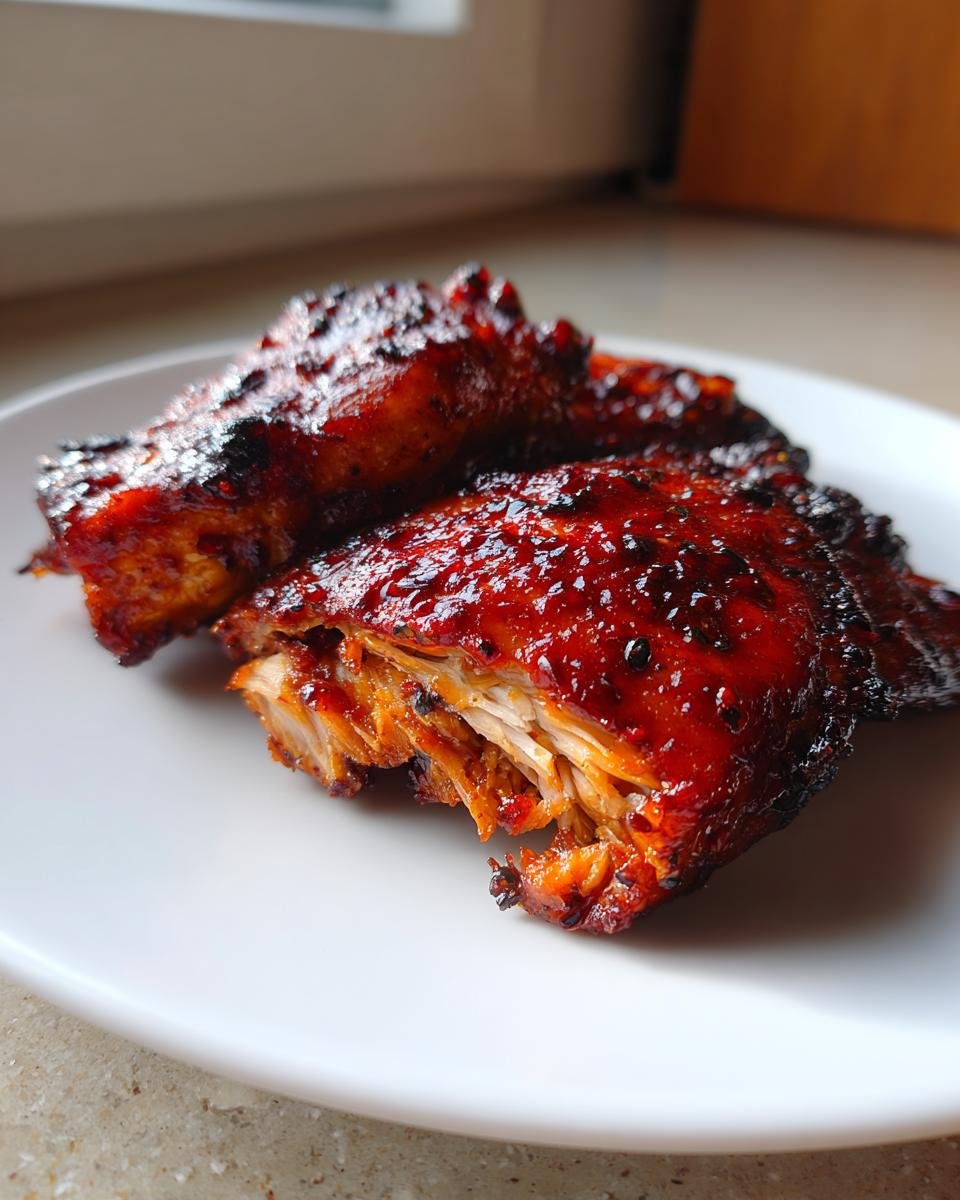
This is the crucial moment that separates a good chicken thigh from an amazing one. When the chicken is almost done—maybe in the last two minutes of cooking—you grab that reserved glaze and brush it on. We let that sugar caramelize quickly, turning sticky and gorgeous. It gets glossy and dark brown, but watch it closely!
Once you pull them from the heat, please, please let them rest for 5 minutes. Even if you’re starving, a short rest lets those juices settle back into the meat. After that, slice them up or eat them whole. Dinner is served!
Expert Tips for Perfect Gochujang Recipes
When you’re trying out any of my Gochujang Recipes, the main thing you have to remember is that you are dealing with sugar—that honey or syrup we use for sweetness is going to burn much faster than regular fats do. I learned this the hard way back when I first started experimenting!
I remember one time I was trying to get the glaze extra thick, I walked away for literally twenty seconds to grab a plate, and when I turned back, the edges of the chicken looked black, not burnished brown. It was sad! The sweet glaze turned bitter fast. So, when tackling these spicy-sweet recipes, you need to be vigilant in those final minutes.
Controlling the Heat and Caramelization
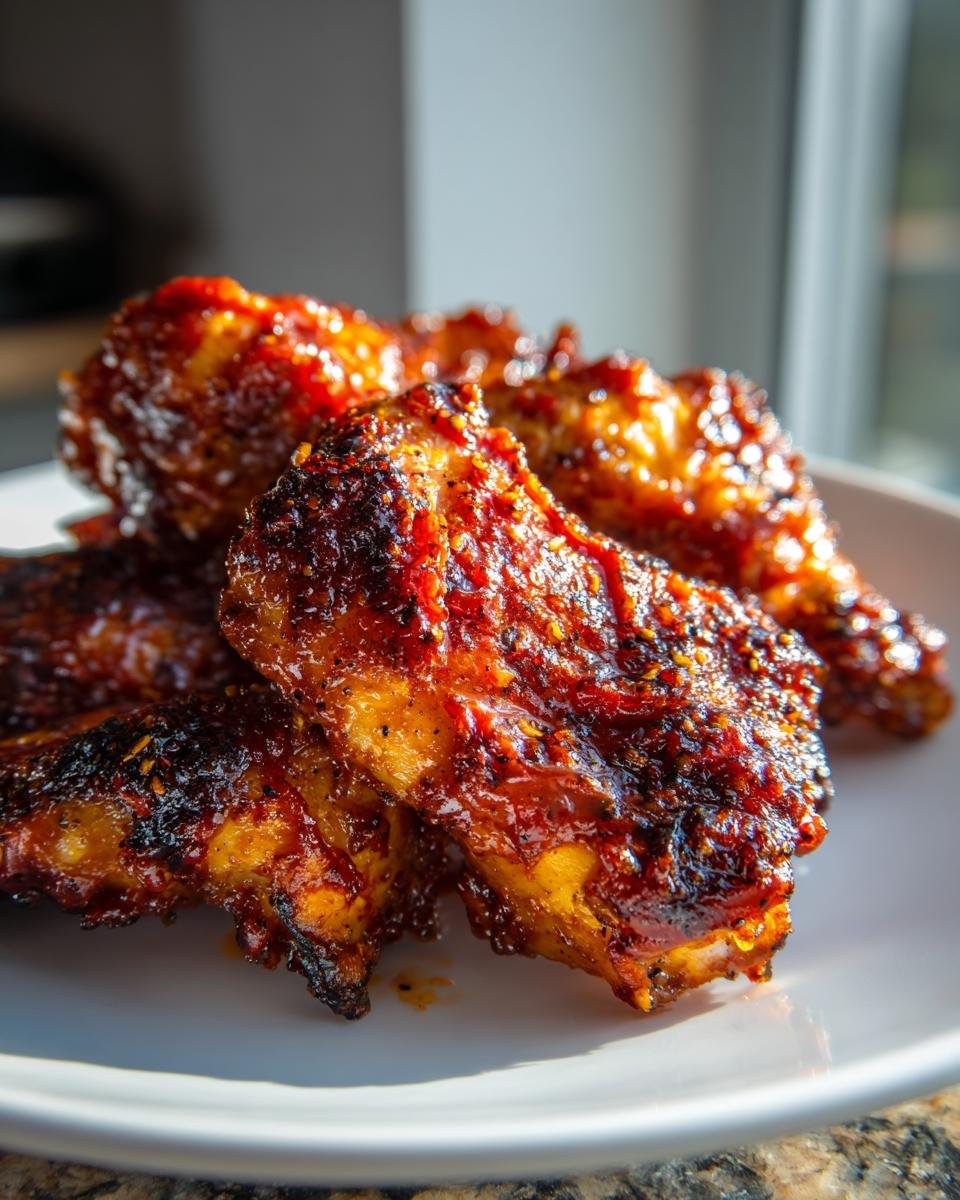
If you use medium-high heat for cooking the chicken, you’re pretty safe for the first part. But when you add that reserved glaze back in for basting in the last couple of minutes? Lower that heat slightly to medium-low. That thick gochujang mix needs just gentle heat to melt, bubble, and stick to the chicken properly. You want it sticky like good taffy, not smoking like a bonfire.
Another thing: If you see the glaze getting too dark too fast but the chicken isn’t quite done yet, pull the pan off the heat for a moment! Let it cool just slightly, brush on the rest of the glaze, and then put it back on low heat to finish setting up. It saves the whole dish!
Achieving Crispier Skin (If Applicable)
Now, this specific recipe calls for skinless thighs, which is great for a quick, one-skillet weeknight meal. But sometimes, I like to use skin-on thighs to get that gorgeous, crisp texture. If you go that route, your initial drying step becomes super important—like, aggressively important!
After you pat the thighs dry with paper towels, leave them uncovered in the fridge for about 30 minutes. Seriously. Allowing the air to get to the skin surface dries it out even more before it hits the pan. When you use skin-on thighs, you also want to start skin-side down in a cold skillet with just a tiny bit of oil, then turn the heat up to medium. That slow introduction to heat renders out the fat underneath the skin before it crisps perfectly. It works wonders, even when you’re dealing with a spicy rub!
Serving Suggestions for This Gochujang Recipe
What good is an amazing main dish if you don’t know what to serve it with? We’ve established that this chicken is amazing, but it shines even brighter when paired with the right sides. These dishes really complement the sweet, spicy umami bomb that is our favorite of the quick Gochujang Recipes!
The glaze is definitely rich and bold, so you want sides that can either soak up those spicy juices or provide a cool, fresh counterpoint. Don’t hesitate to whip up a batch of something simple while the chicken is resting—it’s always worth the extra minute for a complete meal.
Classic Korean Pairings
When I’m making this chicken, my go-to is always just plain, fluffy white rice. Honestly, you need something neutral underneath that sticky glaze! The rice soaks up every single drop of that residual sauce left in the pan, which is basically the best part of the entire dish. Don’t overcomplicate it!
If you want another starch on the table, I sometimes make a big batch of savory chicken fried rice without the chicken, just to mix in some veggies like carrots and peas. But honestly, for a truly quick dinner, rice is king. Sometimes I’ll toss some sesame seeds onto the rice just to make it feel a little fancier.
Quick Vegetable Sides
Because the chicken is so flavorful, the veggies should be easy and clean-tasting. Steamed broccoli or blanched green beans tossed with a tiny drizzle of sesame oil are perfect. They add necessary green color and crunch without fighting the main flavor profile.
But if you want to elevate this slightly without adding time, you absolutely have to make those quick-pickled cucumbers. You just slice cukes thin, toss them with a splash of rice vinegar, a pinch of sugar, and a tiny bit of salt, and let them sit for 15 minutes. They give you this incredibly refreshing snap that cuts through the richness of the gochujang beautifully. It’s the perfect palate cleanser right alongside your spicy chicken!
Storage and Reheating Tips
Even though this chicken is so ridiculously good you’ll probably want to eat it all right away, sometimes life happens, and you end up with leftovers. And honestly? This glazed chicken is fantastic the next day, provided you store it right! We want to protect that sticky glaze, because that’s what makes it special. Storing food correctly is a huge part of being a reliable cook, and I always preach about keeping food safe and tasty.
Refrigeration Guidelines
If you’re saving these flavorful thighs for later, you need an airtight container. Don’t just toss them in a bowl with cling wrap; that lets air in, and the chicken will dry out faster than you can say “gochujang.” I always use a glass container if I can, layering the chicken with a small piece of parchment paper between layers if I have extra pieces. This stops them from sticking together in a gross, sticky mess after chilling.
In the fridge, these should keep beautifully for about three to four days. Any longer than that, and I start getting nervous about the texture of the glaze, even though the chicken itself will be fine. Make sure they cool to room temperature for about an hour before sealing them up, otherwise, you’re creating condensation inside the container, and that’s dampness we absolutely don’t want!
Best Reheating Methods
Here’s where people mess things up! Because we have that honey/syrup in the glaze, if you blast this chicken in a microwave on high for a minute, the sugar just re-hardens instantly and you end up with dry, tough meat. We need gentle heat to revive the moisture and melt that glaze back into something glossy.
My favorite way? In a non-stick skillet on low to medium-low heat. Add just a tiny splash of water or chicken broth to the bottom of the pan—maybe a teaspoon—cover it loosely with a lid, and let it steam-heat gently for 3 to 4 minutes, flipping halfway. That moisture keeps the glaze soft while the heat warms the meat through. If you must use the microwave, use 50% power and stop every 30 seconds to check it. That slow process saves your leftovers!
Frequently Asked Questions About Gochujang Recipes
It happens all the time! When you start exploring something new like gochujang, even a quick dish like this one can bring up a few questions. I totally get it. Whether you’re making this exact recipe or branching out into other Gochujang Recipes, I’ve rounded up the things folks ask me most often about this amazing chili paste.
Can I substitute the chicken thighs in these Gochujang Recipes?
Oh, absolutely! Chicken thighs are my go-to because they stay juicy when you’re cooking them quickly at high heat, but you can definitely swap them out. If you use boneless, skinless chicken breasts, you have to watch the cooking time closer. Breasts dry out fast, so pull them a minute or two early, especially since they’re thinner than thighs usually are.
If you’re looking for a vegetarian option for your Gochujang Recipes, tofu works brilliantly! Just make sure you press your extra-firm or super-firm tofu really well to get all the water out. You can even toss small cubes of tofu in the glaze and bake them until they’re chewy and crisp before tossing them in the sauce at the end. It stands up to the bold flavors so well!
How spicy is this specific Gochujang Recipe?
That’s the million-dollar question, isn’t it? It really depends on what brand of gochujang you buy, because the heat level varies! Most commercial pastes are mild-to-medium heat overall; they have a flavor that’s more savory and sweet than pure fire. For this recipe, I think the honey balances it out so you get a nice warmth that lingers, but it’s not a mouth-numbing spice bomb.
If you know you are sensitive to spice, here’s what I always tell people: start with just one tablespoon of gochujang instead of two in the glaze formula. You can always add more paste later, but you can’t really take it out once it’s mixed in! Conversely, if you live for heat, feel free to up that to three tablespoons. Adding just a tiny bit more honey or syrup can also mellow out direct heat if you find it too intense.
Where can I buy authentic gochujang?
You can usually find decent stuff in the international aisle of most big supermarkets these days, often near the soy sauces or Asian cooking components. But honestly, if you want the *best* jar—the one with the deepest color and flavor—stroll into your local Asian grocery store!
They almost always have a whole shelf dedicated to different brands and ages of gochujang. Look for brands that list fermented soybeans or rice in the ingredients for the most authentic taste. It keeps in the fridge almost forever once you open it, so buying a bigger jar is totally worth it when you’re diving into these kinds of Gochujang Recipes!
Estimated Nutritional Breakdown
I always try to keep things balanced around here—I love flavor, but I also like knowing what I’m eating! Since this dish cooks up so fast using lean boneless, skinless thighs, it’s actually really friendly on the macros, especially compared to some deep-fried alternatives. But remember, these numbers are just my best guess based on the standard ingredients I use. Actual nutrition will always depend on the brands you pick up at the store!
Here’s what we are looking at for one serving (which is one of those tasty chicken thighs!):
- Serving Size: 1 thigh
- Calories: 280
- Protein: 28g (Great source of protein, folks!)
- Fat: 12g (Mostly unsaturated, which is good news!)
- Saturated Fat: 3g
- Carbohydrates: 15g
- Sugar: 10g (That’s the honey/syrup doing its job!)
- Sodium: 550mg
- Fiber: 1g
- Cholesterol: 90mg
A little note of caution: because we are using soy sauce and gochujang, the sodium count is definitely on the higher side here. If sodium is a big concern for you or your family, make sure you use low-sodium soy sauce and maybe even dilute the glaze mix with an extra splash of water when you whisk it up. It’s an easy adjustment to keep this recipe healthy for everyone!
Share Your Gochujang Recipe Creations
Now that you’ve got the secret to truly irresistible, quick-and-easy glazed chicken, I’m dying to know what you think! Seriously, I put my heart into these simple Gochujang Recipes because I love making weeknight cooking feel like an adventure, and I want to hear if it worked for you!
Did you try it with maple syrup instead of honey? Did you adjust the ginger? Did you serve it over rice or maybe even sneak it into those chicken Caesar salad wraps I made last month? Spill the beans in the comments below!
Your feedback means the world to me. Please drop a star rating if you loved the balance of sweet and spicy. And if you snapped a picture of your sticky, glossy chicken thighs on your dinner plate, tag me on Instagram! I absolutely love seeing my kitchen experiments showing up in your homes. Happy cooking, and don’t be afraid to get bold with your next batch of spicy Korean-inspired dishes!
Print
Simple Gochujang Glazed Chicken Thighs
- Total Time: 25 min
- Yield: 4 servings 1x
- Diet: Low Fat
Description
A quick recipe for chicken thighs coated in a sweet and spicy gochujang glaze.
Ingredients
- 4 boneless, skinless chicken thighs
- 2 tablespoons gochujang (Korean chili paste)
- 1 tablespoon soy sauce
- 1 tablespoon honey or maple syrup
- 1 teaspoon sesame oil
- 1 clove garlic, minced
- 1 teaspoon fresh ginger, grated
- 1 teaspoon vegetable oil
Instructions
- In a small bowl, whisk together the gochujang, soy sauce, honey, sesame oil, minced garlic, and grated ginger to make the glaze.
- Pat the chicken thighs dry with paper towels.
- Brush half of the glaze mixture evenly over both sides of the chicken thighs. Reserve the remaining glaze for basting.
- Heat the vegetable oil in a large skillet over medium-high heat.
- Place the chicken thighs in the hot skillet and cook for 5 to 7 minutes per side, until cooked through and the internal temperature reaches 165°F (74°C).
- During the last 2 minutes of cooking, brush the reserved glaze over the chicken thighs, allowing it to caramelize slightly.
- Remove the chicken from the skillet and let it rest for 5 minutes before serving.
Notes
- Serve this chicken over steamed rice or with a side of quick-pickled cucumbers.
- If you prefer a thinner glaze, add 1 teaspoon of water to the reserved glaze before basting.
- Prep Time: 10 min
- Cook Time: 15 min
- Category: Main Course
- Method: Pan-Frying
- Cuisine: Korean-Inspired
Nutrition
- Serving Size: 1 thigh
- Calories: 280
- Sugar: 10
- Sodium: 550
- Fat: 12
- Saturated Fat: 3
- Unsaturated Fat: 9
- Trans Fat: 0
- Carbohydrates: 15
- Fiber: 1
- Protein: 28
- Cholesterol: 90
Keywords: gochujang, chicken thighs, spicy glaze, quick dinner, Korean flavor