
Oh, the tragedy of a beautiful roast dinner ruined by thin, watery gravy! It just slides right off the potatoes, doesn’t it? I used to struggle so much with sauces; they were either gloppy nightmares or absolute soup. It drove me bonkers! But trust me, once you nail the trick with cornflour, you’ll never look back. This method for perfect gravy thickness using simple Cornflour Recipes is my go-to secret weapon. It’s reliable, it’s fast, and honestly, once you see how clear and glossy the gravy gets, you’ll feel like a culinary wizard. Mastering this thickening agent really changes the game for weeknight meals!
Why This Simple Cornflour Recipes Gravy Works So Well (E-E-A-T)
Look, I’ve tried the flour-based roux method a million times, and half the time I end up with pale, cloudy gravy that tastes a little… well, floury. The real game-changer in so many Cornflour Recipes is that cornflour (or cornstarch if you’re in the US!) gives you a crystal-clear, beautifully glossy finish. It’s just much more reliable for sheer thickness without altering the flavor of your beautiful stock.
You don’t need to sweat over browning flour for ages for this. This method is unbelievably consistent. My top piece of expertise here? Always pour the slurry in slowly while whisking like mad! That tiny bit of agitation stops any lumps from forming before the magic happens.
Quick Prep and Cook Times for Cornflour Recipes
That’s the beauty of it – dinner doesn’t have to wait! You’re whipping up the slurry in under five minutes while your stock is heating up. Then, as soon as you add it to that simmer, you’re done in another minute or two. It’s the perfect emergency fix when you realize your shepherd’s pie topping needs binding right this second. Seriously, under ten minutes total for perfect results!
Gathering Your Ingredients for Perfect Cornflour Recipes Gravy
Okay, let’s talk supply line! When we’re talking about the best Cornflour Recipes, simplicity is key, but preparation matters. You’ll notice we only need three things, but their state is essential. First, grab two tablespoons of cornflour. Make sure that’s the fine stuff, not coarse cornmeal!
Next, and this is non-negotiable, you absolutely must have four tablespoons of *cold* water ready for our slurry. Cold water helps separate those cornflour particles so they mix evenly. Finally, you need about two cups of really hot stock or whatever liquid you’re using—beef stock is my favorite for that rich color, but veggie stock works too!

Mastering the Cornflour Recipes Slurry Technique
This step, mixing up the slurry, feels almost too easy, but it’s where 90% of the lumps come from! For the best results in all Cornflour Recipes, you’re combining those two tablespoons of cornflour with four tablespoons of cold water in a small bowl. When I first tried this years ago, I just dumped it in and splashed around a bit. Instant grainy paste! You have to whisk it until it looks totally smooth, like thin paint, with absolutely no dry powder hiding at the bottom.
Once it’s smooth, it’s ready to go! Whisk it one last time right before you pour it in, just to make sure everything is suspended perfectly. Learning to create a lump-free slurry made me realize how much control I had over my sauces. You can check out a great mix for country gravy here too: amazing homemade country gravy mix, but the slurry principle is the same!
Expert Tip: The Importance of Cold Liquid
Why cold water? It’s all about science, folks! If you try to mix cornflour into hot liquid directly, those starches immediately start to swell up and gelatinize right where they hit the heat. Guess what that creates? Hard little clumps that you can never cook out! By using cold water, you dissolve the powder completely before it ever sees heat, keeping all those thickening agents separate and ready to work uniformly when they finally meet the simmering stock.
Step-by-Step Instructions for Your Cornflour Recipes Gravy
Alright, the slurry is mixed, and your stock is heating up—probably simmering nicely now. This is where those last three steps come into play, and honestly, this is the part that separates a great gravy from a sticky mess. Remember, we want smooth, luxurious results from our Cornflour Recipes!
First up, make sure that two cups of stock or liquid are actually simmering, not just lukewarm. We need that heat engagement. Then, take your perfectly smooth slurry and start pouring it in *slowly*. I mean super slow. As soon as that first drop hits the hot liquid, you have to whisk constantly. Seriously, my arm gets a mini-workout here, but it’s worth it!
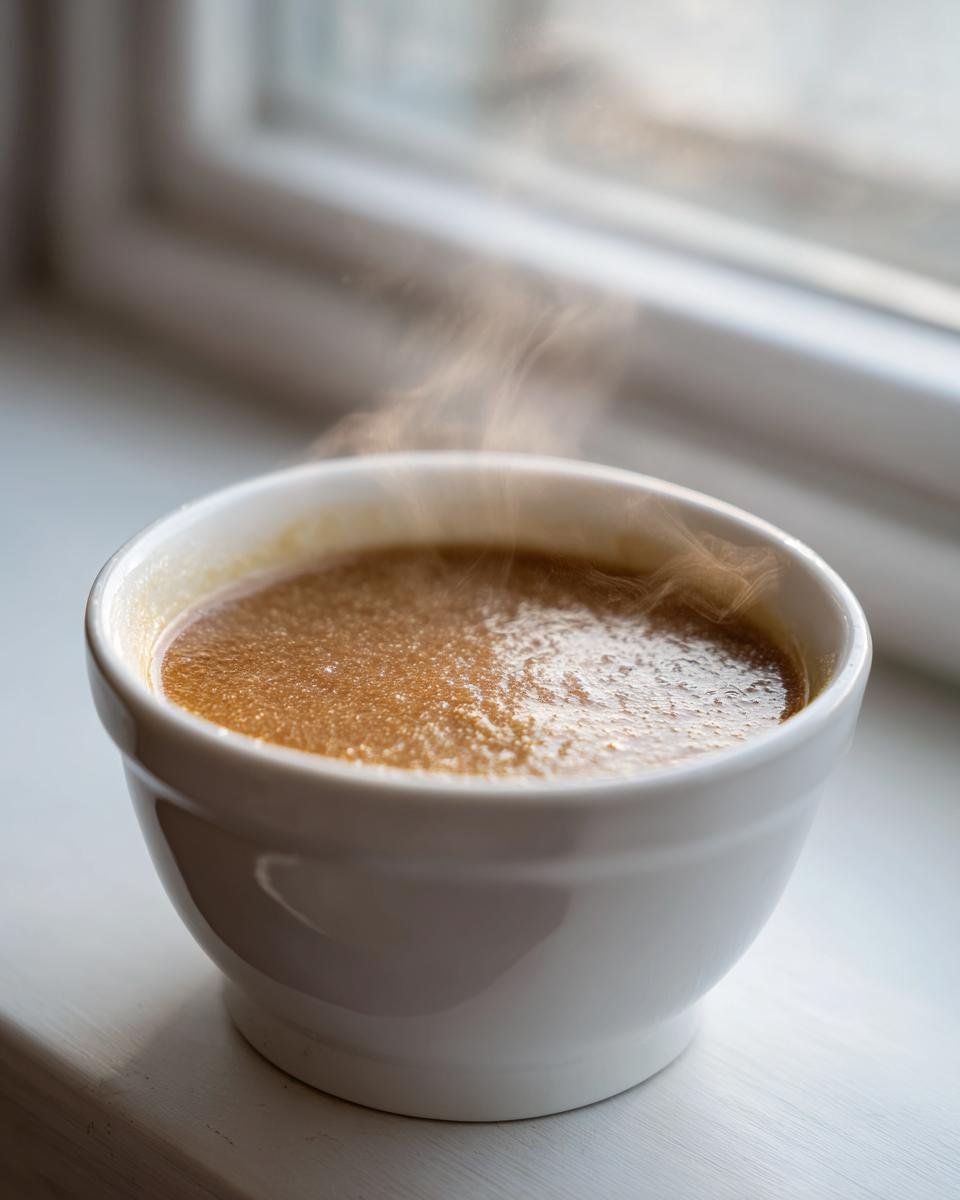
Keep stirring that mixture—you’ll see it thicken up almost instantly, usually within 60 seconds. If you stop stirring too soon, you risk having a thin pocket settle at the bottom. Once it’s thickened nicely, pull it right off the heat immediately. Cornflour thickens fast, and it can ruin its texture if you let it boil too long after adding the slurry.
If you’re looking for general sauce tips to add to your repertoire, this page has some great advice on making incredible sauces that complement this binding technique beautifully. That’s it! Ten minutes total, and you’ve mastered the foolproof gravy using Cornflour Recipes.
Troubleshooting Common Issues with Cornflour Recipes
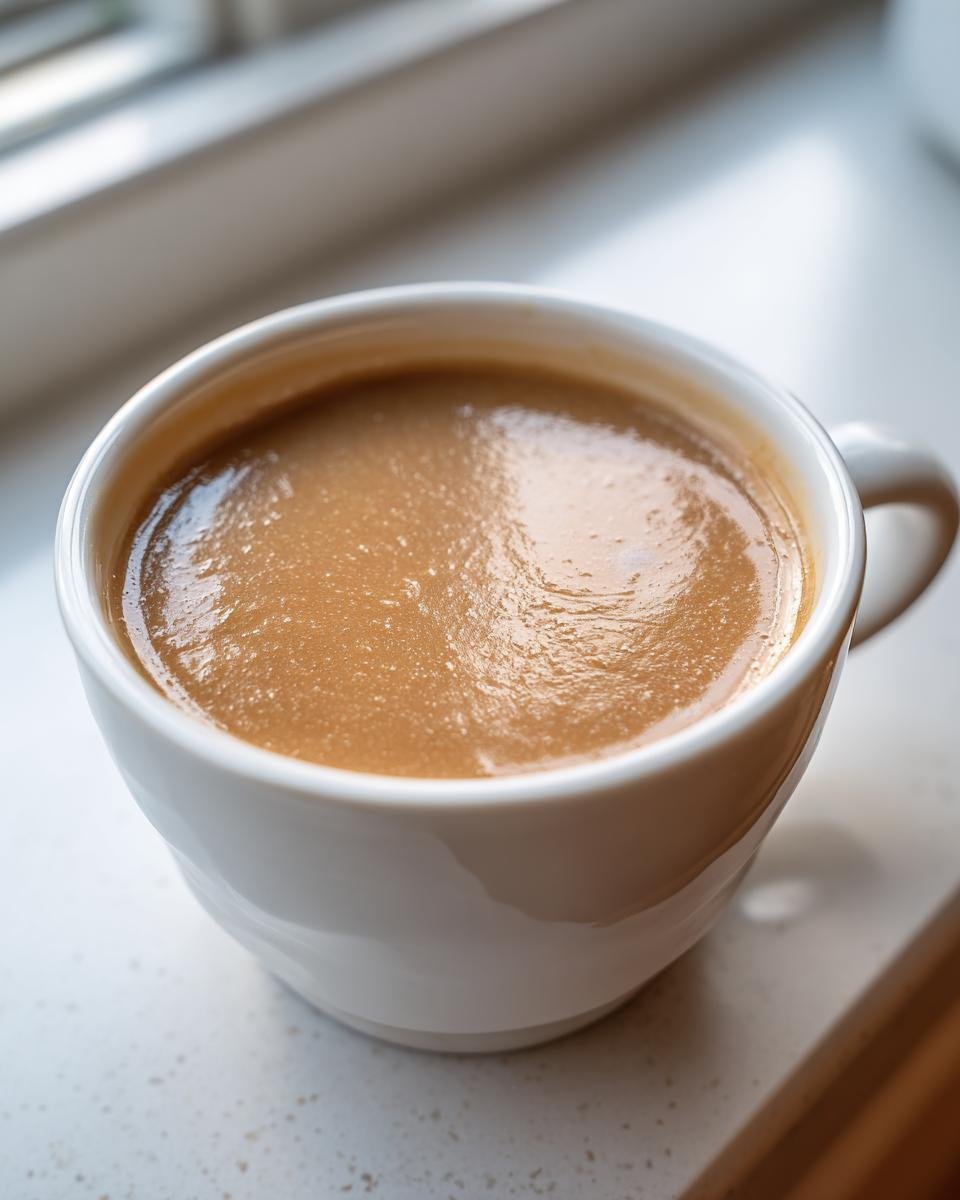
Even with the best instructions for Cornflour Recipes, sometimes things go a little sideways, right? Don’t you panic! That’s why I want to share the quick fixes my mom taught me. If you accidentally added too much slurry and your gravy turns into a solid wall, it’s easy to rescue. Just heat up a bit more of your base liquid—stock or water—and whisk it into the too-thick gravy until you get back to that perfect, flowing consistency.
Now, the opposite problem: your gravy is still sadly thin. This is the easiest fix! Quickly grab a tiny bit more cornflour and mix it with a tablespoon of *cold* water to make a second, small slurry. Slowly drizzle that second batch into your simmering liquid while stirring nonstop. It will tighten up in about thirty seconds. That’s the reliability of using cornflour in your thickening agent toolkit!
Serving Suggestions for Your Thickened Gravy
Now that you have this beautifully thick, glossy gravy, the real fun begins—what are you going to smother it in? Honestly, this simple recipe works with just about anything savory because it doesn’t carry heavy flour flavor. It’s your canvas!
The absolute classic pairing, of course, is a towering pile of creamy mashed potatoes. My famous version is over here if you want to see how I get them so fluffy: ultimate delicious potato salad—wait, I mean mashed potatoes! Kidding aside, the gravy sinks right into those potatoes perfectly.
But don’t stop there! This gravy is phenomenal poured over roast chicken or pork chops, especially if you’ve got crispy skin or pan drippings you want to incorporate. If you’re going for a lighter meal, it’s amazing over steamed green beans or even drizzled over some hearty bread.
And for a real treat? Dip some freshly baked, flaky biscuits right into that savory pool. If you need a super easy biscuit recipe, I always rely on this quick two-ingredient wonder: melt-in-your-mouth 2 ingredient biscuits. Trust me, thick gravy demands a good vehicle for scooping!
Storage and Reheating Tips for Cornflour Recipes Gravy
So, what if you made too much? Don’t toss that gorgeous, thick gravy! That’s one of the great benefits of these specific Cornflour Recipes—they store pretty well. Pop any leftovers into an airtight container and stick them right in the fridge. It usually stays great for a good three to four days. I always try to use it up before Tuesday!
Now, here’s the texture warning: Cornflour thickeners sometimes get a little gelatinous or jiggly once they are cold. That’s totally normal! To bring it back to life, you need to reheat it gently on the stovetop. Add a splash of hot stock or just plain water while you stir continuously over low heat. Don’t let it boil hard; low and slow is the key to getting that smooth consistency back in your leftover gravy thanks to the cornflour!
Frequently Asked Questions About Cornflour Recipes
I know you might have a few lingering questions after diving into these super easy Cornflour Recipes. Everyone asks me about using cornflour for baking versus sauces, so let’s clear up the biggest points!
Can I use this method for thickening pie filling?
Yes, you absolutely can! The technique is identical, but you might want to use a richer liquid, perhaps like some fruit juice or even a bit of wine, depending on what you’re filling. Just remember that since pie filling sits for longer, you need to make sure your slurry is slightly thinner than you think it should be, because it will continue to set up as it cools down in the oven. It’s a fantastic alternative thickening agent for fruit pies!
Does using cornflour make gravy look cloudy?
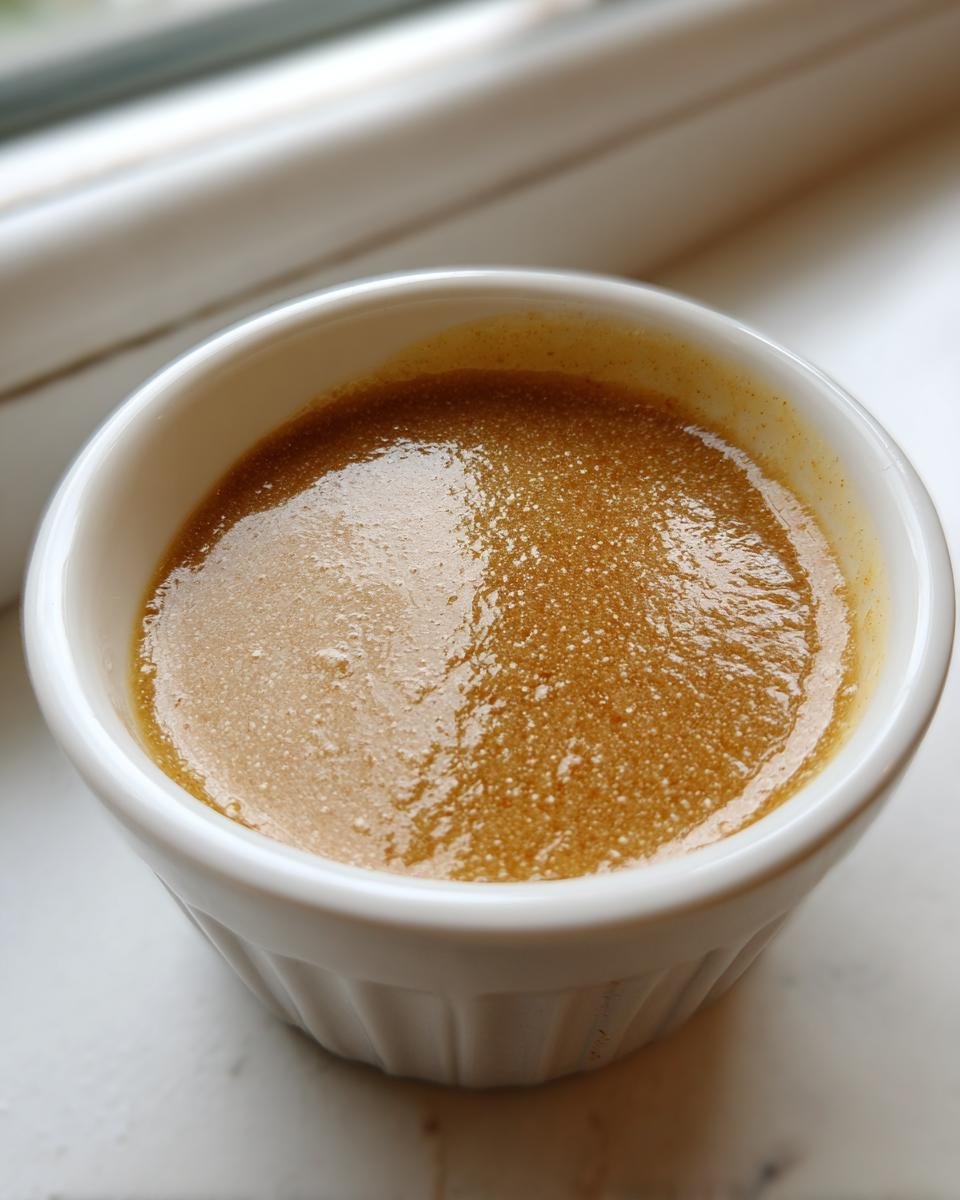
This is my favorite myth to bust! Unlike flour, which can sometimes leave a dull, opaque appearance, cornflour—when mixed correctly into a slurry with cold liquid—actually results in a wonderfully clear and glossy gravy. That’s why I champion my Cornflour Recipes! If your gravy looks cloudy, chances are you didn’t mix your initial slurry perfectly, or you added the cornflour directly to boiling liquid. Always make that separate cold mix first.
Can I substitute cornflour with cornstarch?
Oh, honey, yes! Cornflour and cornstarch are the exact same thing here in the kitchen! If your specialty store calls it cornstarch, just use it exactly as written in the recipe. Both are pure corn starch, making them identical as a thickening agent in these recipes. It’s so nice knowing that whether you call it cornflour or cornstarch, the results are reliable.
What if I want a darker, richer gravy flavor?
While this technique is great for clarity, the flavor comes from your liquid! If you look over here at my recipe for amazing homemade simple pasta sauce, you’ll see I rely on reducing the liquid for flavor concentration. For gravy, skip adding extra water. Use a deeply flavored beef or mushroom stock, and maybe even deglaze your pan with a splash of wine or soy sauce before adding your slurry. That builds depth without messing with the actual cornflour thickening part!
Reader Feedback and Next Steps
I’ve shared my fastest, neatest trick for getting that perfect texture using Cornflour Recipes. Now I need to hear from you! How did this simple slurry technique work on your dinner tonight? Please rate this recipe below and leave a comment detailing your results. Did you use it on roast beef or maybe some chicken soup? Share your successes!
Print
Simple Cornflour Gravy
- Total Time: 10 min
- Yield: About 2 cups 1x
- Diet: Vegetarian
Description
A basic recipe for thickening sauces and gravies using cornflour.
Ingredients
- 2 tablespoons cornflour
- 4 tablespoons cold water
- 2 cups hot stock or liquid
Instructions
- Mix the cornflour and cold water in a small bowl until smooth. This is your slurry.
- Bring the hot stock or liquid to a simmer in a saucepan.
- Slowly pour the cornflour slurry into the simmering liquid while stirring constantly.
- Continue to stir until the gravy thickens, usually about one minute.
- Remove from heat and serve immediately.
Notes
- For a richer flavor, use beef or vegetable stock.
- If the gravy is too thick, add a little more hot liquid.
- If the gravy is too thin, mix a small amount of additional cornflour and water and stir into the simmering gravy.
- Prep Time: 5 min
- Cook Time: 5 min
- Category: Sauce
- Method: Stovetop
- Cuisine: General
Nutrition
- Serving Size: 1/4 cup
- Calories: 30
- Sugar: 0
- Sodium: 5
- Fat: 0
- Saturated Fat: 0
- Unsaturated Fat: 0
- Trans Fat: 0
- Carbohydrates: 7
- Fiber: 0
- Protein: 0
- Cholesterol: 0
Keywords: cornflour, gravy, thickening agent, sauce, cornstarch