
Oh, friends, let’s talk about the absolute magic that happens when Cantonese cooking gets its hands on some incredible wide rice noodles! There’s nothing quite like the satisfying chew, the salty-sweetness, and that signature smoky whisper that only the best stir-fries have. For years, I thought truly authentic Beef Chow Fun was locked behind reservation-only restaurant doors. I’d order it, sigh happily, and then immediately feel defeated trying to replicate that incredible texture at home.
But guess what? I cracked the code! I spent almost a month scorching my wok, burning the shallots once (oops!), trying to chase that elusive “wok hei” flavor. The secret, I learned, isn’t just heat; it’s prep work. This recipe gets you that tender beef and perfectly coated, slightly charred noodle in under 35 minutes total. Seriously, this is the Beef Chow Fun you dream about, and we’re making it faster than ordering takeout tonight!

Why This Beef Chow Fun Recipe Stands Out
I know what you’re thinking: stir-fries are fast, but getting the flavor right with Beef Chow Fun feels impossible outside of that specialized restaurant burner. Not anymore! We’ve streamlined the process without cutting any corners on flavor or texture. This recipe respects your time but demands good prep, and trust me, the payoff is huge.
- It’s genuinely fast! With prep done, you are looking at dinner on the table in about 15 minutes of active cooking.
- The beef comes out melt-in-your-mouth tender—no more chewy strips of meat here, promise!
- We build incredible flavor from simple pantry staples, so you don’t need a specialty Asian market run every time.
Once you nail the basics, you can check out my tips for next-level fried rice or look at how I handle sauces for general veggie dishes. It all builds on getting that high-heat technique down!
Achieving Tender Beef in Your Beef Chow Fun
This is non-negotiable, folks: you must marinate your flank steak with cornstarch, soy sauce, and a drop of oil—that’s the magic velveting trick. This light coating protects the meat from the intense heat of the wok. When you cook it, this coating turns into the silky sauce that clings perfectly to the noodles, guaranteeing super tender bites in every serving of your Beef Chow Fun.
Essential Ingredients for Authentic Beef Chow Fun
Okay, let’s talk supplies! You can’t rush flavor, and for proper Beef Chow Fun, the ingredient list is short, but the quality matters loads. Having everything ready on the counter before you even turn on the flame is the *only* way to do this dance, trust me. If you try to chop an onion while the beef is sizzling, you’ll end up with hard beef!
Here is the basic crew you need on deck for this magnificent Beef Chow Fun:
- Flank steak: Gotta slice this thin, and pay attention—slice it against the grain! This is key for tenderness.
- Our marinade ingredients: Soy sauce, dark soy sauce (for color!), and cornstarch—don’t skip the cornstarch!
- Aromatics: Fresh garlic and yellow onion. That’s it for the base veggies.
- The Sauce Mix: Oyster sauce, a little extra soy sauce, sugar, and beef broth to make things luscious.
- Finishing Touches: Bean sprouts for that necessary crunch, and green onions cut into long, easy tossing lengths.
If you love beef but need a change of pace, my onion pepper steak uses a similar technique to keep the meat gorgeous, which might be fun for another night.
Selecting the Right Noodles for Beef Chow Fun
The noodles are the star here, so don’t mess this part up! You absolutely want fresh, wide rice noodles, called Ho Fun (they look like thick, slippery ribbons). If you find them, they might be stuck together when you buy them, so you’ll need to gently separate them. If you can only find dried ones, you need to follow the package directions precisely, usually soaking them in hot water until they are bendy but still have a nice resistance.
If they are too mushy before they hit the wok, your final Beef Chow Fun will look like soup instead of a masterpiece!
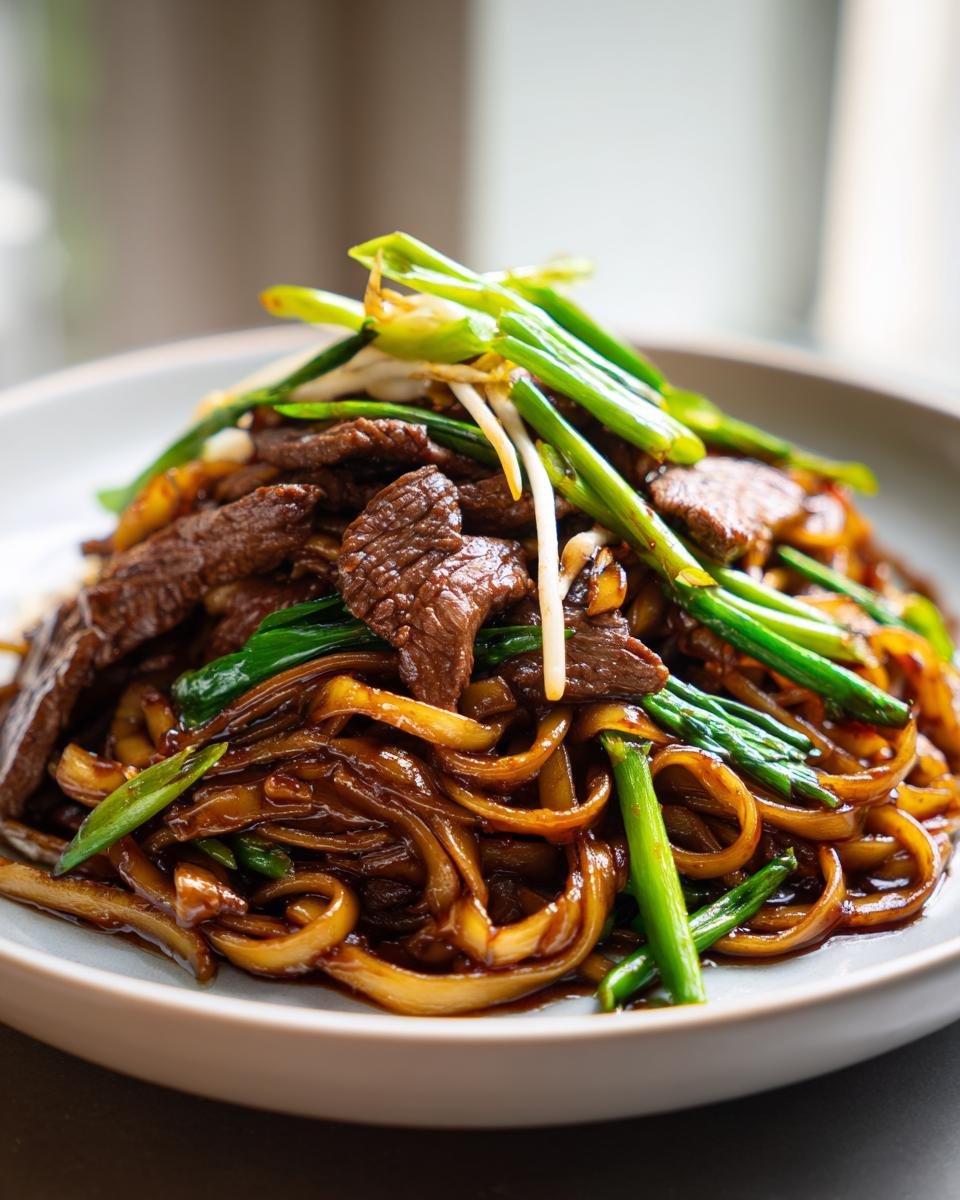
Step-by-Step Instructions for Perfect Beef Chow Fun
Time to turn up the heat! Cooking Beef Chow Fun is all about speed and knowing when to get things in and out of that screaming hot wok. Your pan needs to be sizzling hot—that’s where the flavor magic happens. Remember, we already marinated the beef (Step 1 in the recipe notes) and prepped our slippery noodles (Step 2), so we are ready to move!
First things first: Sear that beef. Use only a tablespoon of oil and toss in your marinated strips. Don’t crowd the pan! If you dump it all in there, the temperature drops, the beef steams instead of searing, and you lose that beautiful brown crust. Watch until it’s browned, then scoop it right out onto a plate and let it wait patiently. If you ever struggle with watery sauces for beef dishes, maybe check out my guide on slow cooker beef bases for technique tips, though we are going high and fast here!
Next, we work fast with flavor. Add a tiny bit more oil, toss in the garlic for just 10 seconds—seriously, ten—until you can smell it—then in goes the onion for a minute. Now, get that beef back in with the noodles. Whisk together your sauce (oyster sauce, broth, sugar) and pour it over everything. Toss constantly for about two minutes until everything is sticky and hot. Then, the veggies go in for a final 30-second flash! That’s it, dish it up immediately! If you’re curious about making noodles from scratch one day, even though we use rice noodles here, I have a fun post on making your own egg noodles!
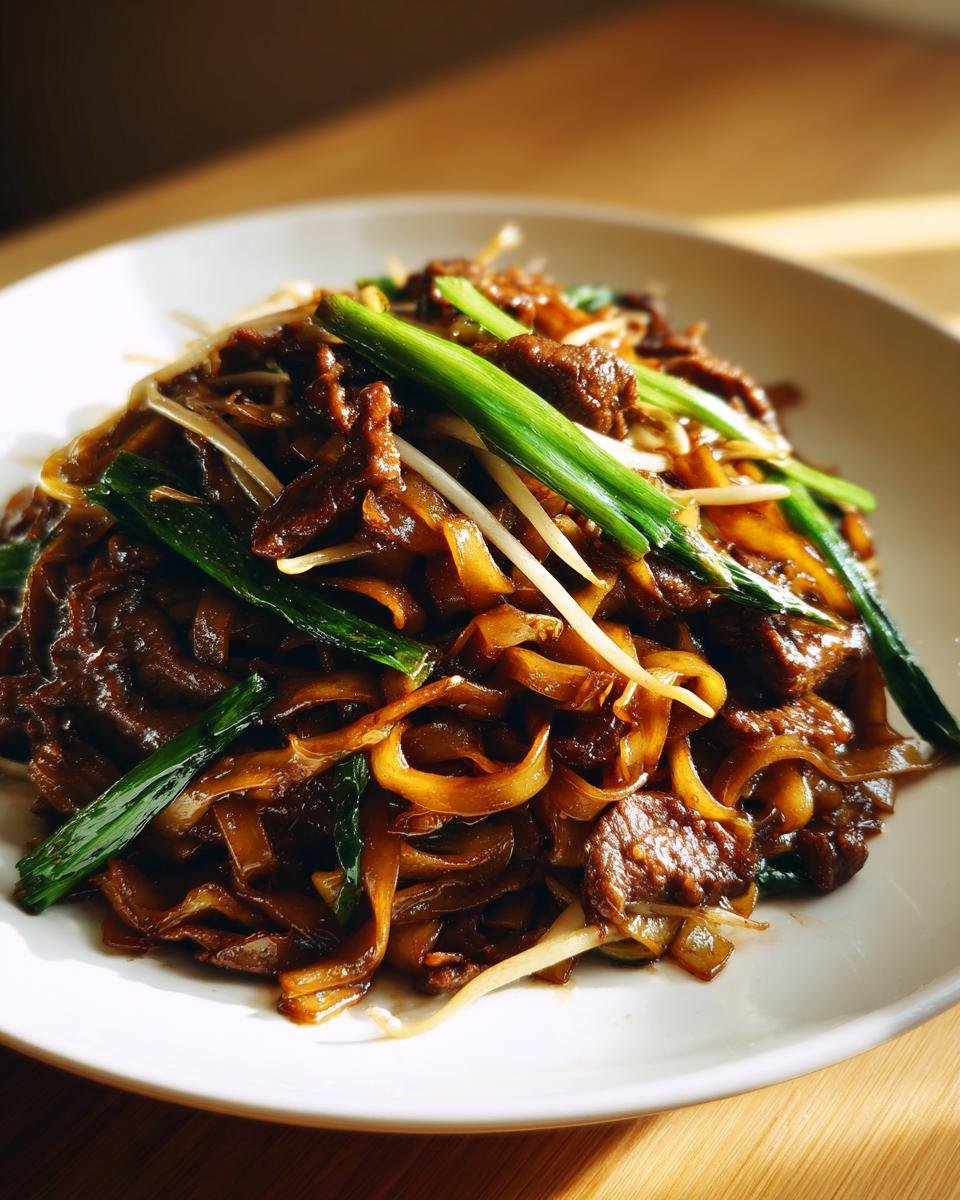
Mastering the Stir-Fry Technique for Beef Chow Fun
Look, an authentic Beef Chow Fun needs that smoky *wok hei*, and you only get that if your pan stays blisteringly hot. That means cooking the beef in batches! If you try to squeeze it all in one go, the temperature plummets, you end up boiling the meat instead of searing it, and the noodles will absorb all the liquid before they caramelize. We want char, not soup!
When it comes time to combine everything, it needs to be a quick, aggressive toss. Toss until the sauce hits the noodles and cooks off slightly, coating them. The bean sprouts and green onions only go in right at the very end, just enough time to wilt them slightly so they keep their fantastic crunch that cuts through the richness of the beef. Don’t forget that if you’re ever experimenting with noodles in general, keeping them oiled after blanching is key!
Tips for Achieving Wok Hei in Your Beef Chow Fun
Okay, let’s get serious about that smoky flavor—that beautiful, slightly charred essence they call *wok hei* in Cantonese cooking. You simply cannot get that flavor in a standard non-stick skillet, even if you try your hardest! You need a weapon of choice: a carbon steel wok. They heat up incredibly fast and handle the intense temperatures required for the real deal Beef Chow Fun.
The key is heat, heat, and then more heat! Make sure your wok is smoking hot *before* anything touches it. I mean it—before the oil! Once the oil is in, wait a quick second, and then the ingredients go in fast. Remember my rule from earlier? Don’t overcrowd! If you’re making more than two servings of Beef Chow Fun, you must cook the beef in two separate batches. It keeps that surface temperature high so you get caramelization, not steaming. If you want to read more about maximizing heat when doing any kind of stir-fry, I wrote about making the best fried rice which uses the exact same high-heat theory!
When you toss the noodles with the sauce, keep them moving constantly. This allows the high heat to evaporate moisture while caramelizing the sauce onto the noodles. That little bit of smoky char you get just before serving is the *wok hei*, and it makes all the difference in your Beef Chow Fun.
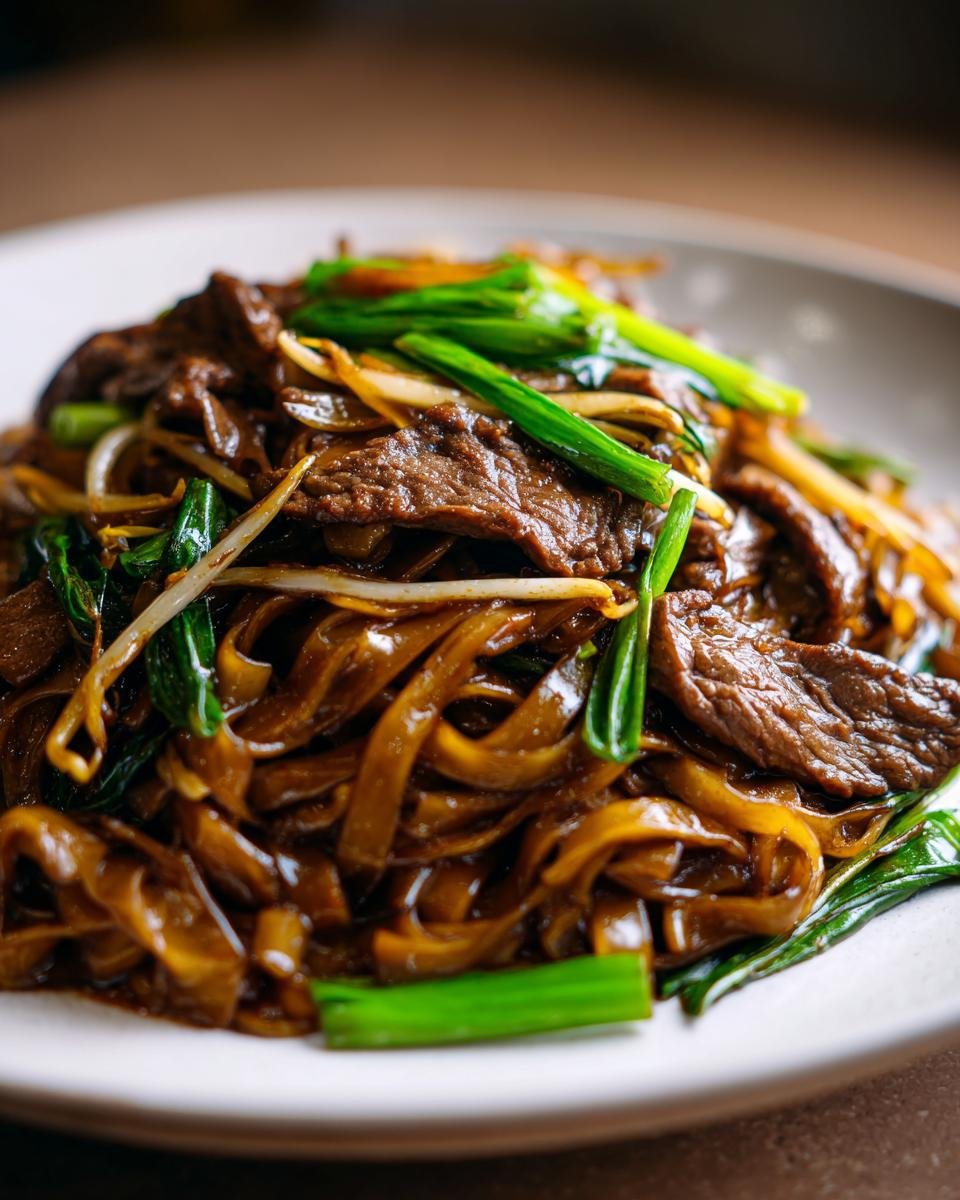
Ingredient Notes and Substitutions for Beef Chow Fun
I get asked all the time about swapping ingredients when someone is trying to make this Beef Chow Fun recipe but is missing something crucial at the last minute. Look, I’ve been there, staring mournfully at an empty shelf where my oyster sauce usually sits! Don’t panic; we can usually pivot without completely ruining the dish.
The biggest sticking point, naturally, is the noodles—the Ho Fun. If you simply cannot find those fresh, wide ribbons, you have a couple of options. You can use dried wide rice noodles, but you *must* prepare them exactly as the package says; otherwise, they will break apart into sad little rice flakes in your wok. My second choice, if I’m desperate, is using wide pappardelle egg pasta, cooked just shy of al dente, tossing it lightly with a touch of sesame oil before frying. It won’t taste exactly the same, but the mouthfeel is close enough to satisfy the craving!
What about the sauce complexity? Oyster sauce brings that deep, savory, slightly sweet, umami base that anchors the whole flavor profile of amazing Beef Chow Fun. If you’re vegetarian or just out, you can use vegetarian mushroom sauce—it’s a fantastic, readily available substitute that pulls a similar heavy flavor to the front. For general savory sauces, I learned a lot about building depth when I was playing around with my chimichurri creation, and those principles—building layers of flavor—apply here too!
For the beef, while flank steak is my absolute favorite because it sears so beautifully, you can generally use skirt steak or even thinly sliced sirloin. The key isn’t the specific cut as much as the preparation: slice thin, slice against the grain, and don’t skip that cornstarch marinade!
Serving Suggestions for Your Beef Chow Fun
Once that glorious mound of Beef Chow Fun hits the plate, you might be tempted to dive right in, and you should! But just a couple of tiny additions can push it over the edge. I always keep a dash of high-quality chili oil nearby for that bright, sharp heat. A simple sprinkle of fresh white pepper is also fantastic for waking up the savory notes.
If you are making a full Cantonese-style meal, this amazing noodle dish pairs perfectly with steamed greens or maybe some delicious garlic sides if you are mixing cuisines.
Storing and Reheating Leftover Beef Chow Fun
This Beef Chow Fun is honestly even better the next day, but you have to treat those wide rice noodles right! They are delicate, and if you just throw the leftovers in the fridge uncovered, you’ll end up with a gummy, slightly sour brick the next morning. Trust me, I’ve ruined enough leftovers to learn this lesson the hard way.
The rule for storing is airtight containers, always. Separate the noodles and veggies from any extra sauce if you can, although usually, a single layer in a good container should work fine. I try to eat any leftovers within two days maximum. After that, the noodles start getting too soft, and reheating becomes a real gamble. Always make sure it’s cooled down to room temperature before sealing it up for the fridge—we don’t want any condensation creating steam!
Now, for reheating your Beef Chow Fun—this requires a little finesse! Do NOT put this straight into the microwave for two minutes. That dries out the beef and turns the noodles into paste. The absolute best method is to reheat it gently in a skillet or wok over medium-low heat. Add just a tablespoon of water or stock to the pan before you add the leftovers. This steam will gently wake up the rice noodles and keep the beef moist. Toss it constantly, just until it’s warmed through. It takes a little longer than microwaving, but you save your beautiful texture, and it tastes almost freshly made!
Frequently Asked Questions About Beef Chow Fun
It’s totally normal to have a few sticky points when you start exploring authentic Cantonese noodles at home. People ask me the same things every time they try this Beef Chow Fun recipe for the first time, so let’s clear up any lingering confusion so you can nail it!
Can I use a different cut of beef for Beef Chow Fun?
You absolutely can, but I always push flank steak because it’s lean and holds up beautifully to the quick, high-heat sear required for great Beef Chow Fun. If you don’t have flank, skirt steak is a fantastic substitute; it has a similar grain structure. Anything too thick or marbled heavily, like ribeye, can get messy when you try to cut it thin enough, or it might release too much fat during the sear, which kills the *wok hei* we worked so hard to create!
Why are my noodles sticking together in the Beef Chow Fun?
Ah, the dreaded sticky Ho Fun! This usually happens for one of two major reasons. First, you didn’t toss them with a little oil right after you blanched them. That thin coating of oil is a protective barrier between those slippery noodles. Second, and more often the culprit, is overcrowding the wok. If you put too many noodles and beef in at once, the heat drops instantly, and everything starts steaming and gluing itself together instead of stir-frying separately. Remember my batch cooking rule? Apply that to the noodles too if you’re making a huge quantity!
If you want to see how I manage high heat when combining noodles in a different context, check out my post on flavorful chicken stir-fry noodles—the technique is nearly identical!
Nutritional Estimates for This Beef Chow Fun Recipe
Now, I know for most of us making incredible Beef Chow Fun, we aren’t whipping out the food scale. We are focused on flavor and that wonderful, satisfying chew! But I always like to include nutritional estimates so you know generally what you’re dealing with when you enjoy this fantastic Cantonese dish.
These numbers are based on dividing the whole recipe into four generous servings, so keep in mind that your actual numbers might swing a little based on how much oyster sauce you decide to drizzle on top!
- Serving Size: 1 serving
- Calories: 550
- Fat: 18g
- Saturated Fat: 4g
- Protein: 38g
- Carbohydrates: 65g
- Fiber: 3g
Remember, these are just guidelines, not perfection! Brands of soy sauce, the exact leanness of your flank steak, and how much oil you use for searing the beef all change these numbers slightly. But the core of this recipe keeps it relatively balanced for a satisfying weeknight meal. Enjoy knowing that you just made one of the best stir-fries on the block!
Print
Beef Chow Fun
- Total Time: 35 min
- Yield: 4 servings 1x
- Diet: Low Calorie
Description
A classic Cantonese stir-fry dish featuring wide rice noodles, tender beef, and bean sprouts.
Ingredients
- 1 pound fresh wide rice noodles (Ho Fun)
- 1 pound flank steak, thinly sliced against the grain
- 2 tablespoons soy sauce
- 1 tablespoon cornstarch
- 1 teaspoon dark soy sauce
- 1 tablespoon vegetable oil
- 4 cloves garlic, minced
- 1 medium yellow onion, sliced
- 1 cup bean sprouts
- 1/2 cup green onions, cut into 2-inch lengths
- 2 tablespoons oyster sauce
- 1 tablespoon soy sauce
- 1 teaspoon sugar
- 1/4 cup beef broth
- 1 tablespoon vegetable oil for stir-frying
Instructions
- In a bowl, mix the sliced beef with 2 tablespoons soy sauce, cornstarch, and dark soy sauce. Let it marinate for 15 minutes.
- If the rice noodles are stiff, blanch them briefly in hot water until pliable, then drain immediately and toss with a little oil to prevent sticking.
- Heat 1 tablespoon of oil in a wok or large skillet over high heat. Add the marinated beef and stir-fry until browned. Remove the beef from the wok and set aside.
- Add the remaining 1 tablespoon of oil to the wok. Add the minced garlic and stir-fry for 10 seconds until fragrant.
- Add the sliced onion and stir-fry for 1 minute until slightly softened.
- Return the beef to the wok. Add the blanched rice noodles.
- In a small bowl, mix the oyster sauce, 1 tablespoon soy sauce, sugar, and beef broth. Pour this sauce mixture over the noodles and beef.
- Stir-fry quickly, tossing constantly, until the noodles are coated and heated through, about 2-3 minutes.
- Add the bean sprouts and green onions. Toss for another 30 seconds until the vegetables are just wilted but still crisp.
- Serve immediately.
Notes
- Use a very hot wok to achieve the characteristic smoky flavor (wok hei).
- Do not overcrowd the wok when searing the beef; cook in batches if necessary.
- If you cannot find fresh Ho Fun, use dried wide rice noodles, prepared according to package directions.
- Prep Time: 20 min
- Cook Time: 15 min
- Category: Main Course
- Method: Stir-Frying
- Cuisine: Chinese
Nutrition
- Serving Size: 1 serving
- Calories: 550
- Sugar: 8
- Sodium: 950
- Fat: 18
- Saturated Fat: 4
- Unsaturated Fat: 14
- Trans Fat: 0
- Carbohydrates: 65
- Fiber: 3
- Protein: 38
- Cholesterol: 85
Keywords: Beef Chow Fun, Ho Fun, Cantonese noodles, stir-fried rice noodles, Chinese beef noodles