
Okay, listen up because I’ve cracked the code for those nights when you want something that tastes like you spent all afternoon fussing over it, but you really just had 35 minutes. Forget those dry, boring weeknight dinners! Sometimes you just need a showstopper that practically cooks itself, and that is exactly what this **Balsamic Roasted Pork Tenderloin** delivers. It’s elegant, the sauce is rich and tangy, and honestly, the best part? We’re doing almost everything in one single oven-safe skillet. Minimal cleanup means more time for wine, which is always a win in my book. Trust me, this recipe hits that perfect sweet spot of flavor complexity and shocking simplicity.
Why This Balsamic Roasted Pork Tenderloin Recipe Works
This recipe isn’t fancy; it’s just smart cooking that yields massive flavor payoff. We get that beautiful crust where it counts, and the inside stays juicy because we follow a couple of non-negotiable rules. Seriously, if you’re intimidated by pork, this is the dish that will make you a believer. The ease of making this **Balsamic Roasted Pork Tenderloin** is shocking considering how gourmet it tastes!
- Prep time is lightning fast—you’re out the door to the oven in 10 minutes, tops.
- The searing step builds a rich foundation you just can’t skip!
- The glaze caramelizes perfectly in the oven without turning bitter.
Quick Prep and Sear Technique
Look, nobody wants to stand over the stove for an hour after work. That’s why this shines! You pat the meat dry, season it up, and we get that fast, hot sear going. Browning the outside locks in moisture and builds those complex, tasty development notes we are aiming for. And yes, using that oven-safe skillet means everything happens right there—no transferring meat from one pan to a hot baking dish later. So easy!
The Flavor Profile of Our Balsamic Roasted Pork Tenderloin Glaze
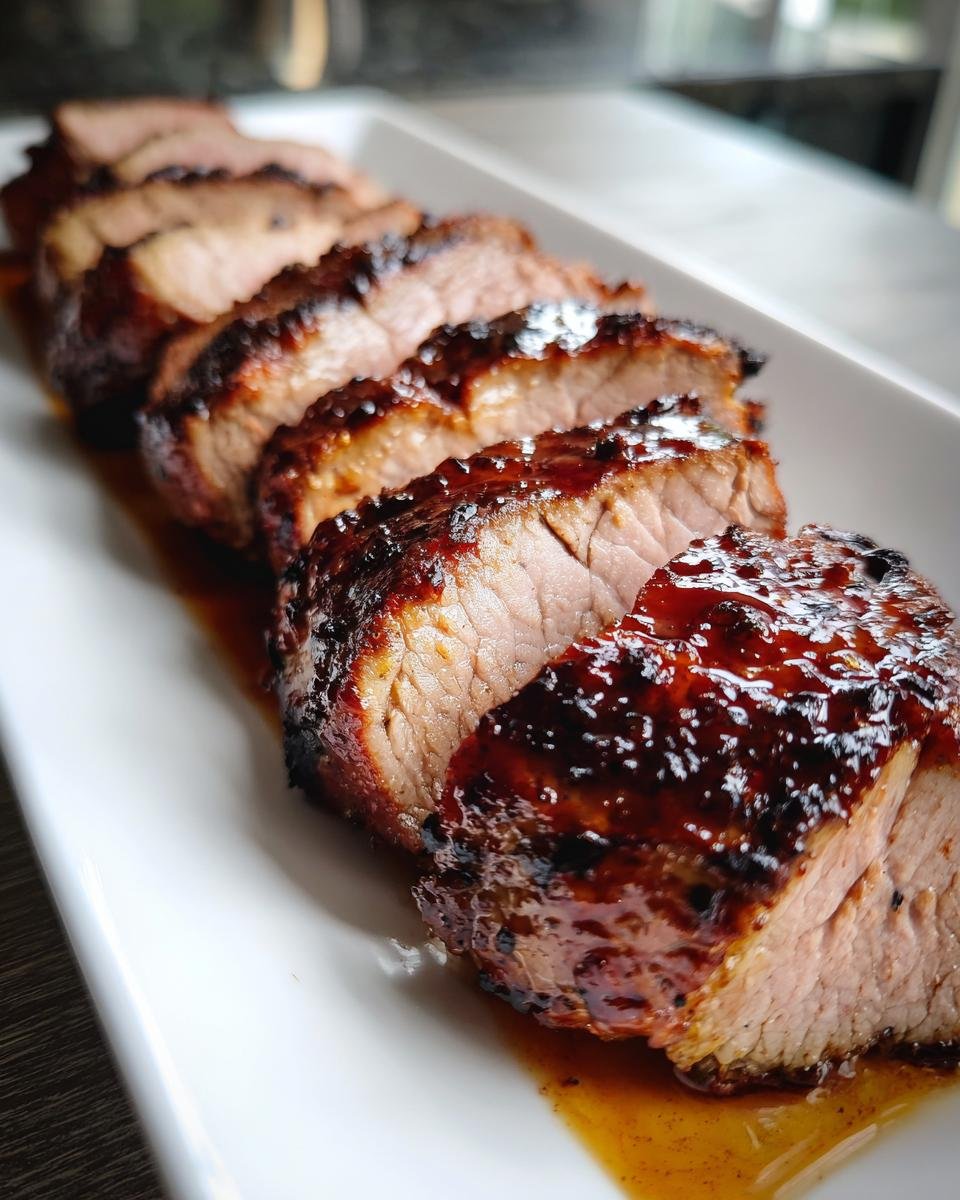
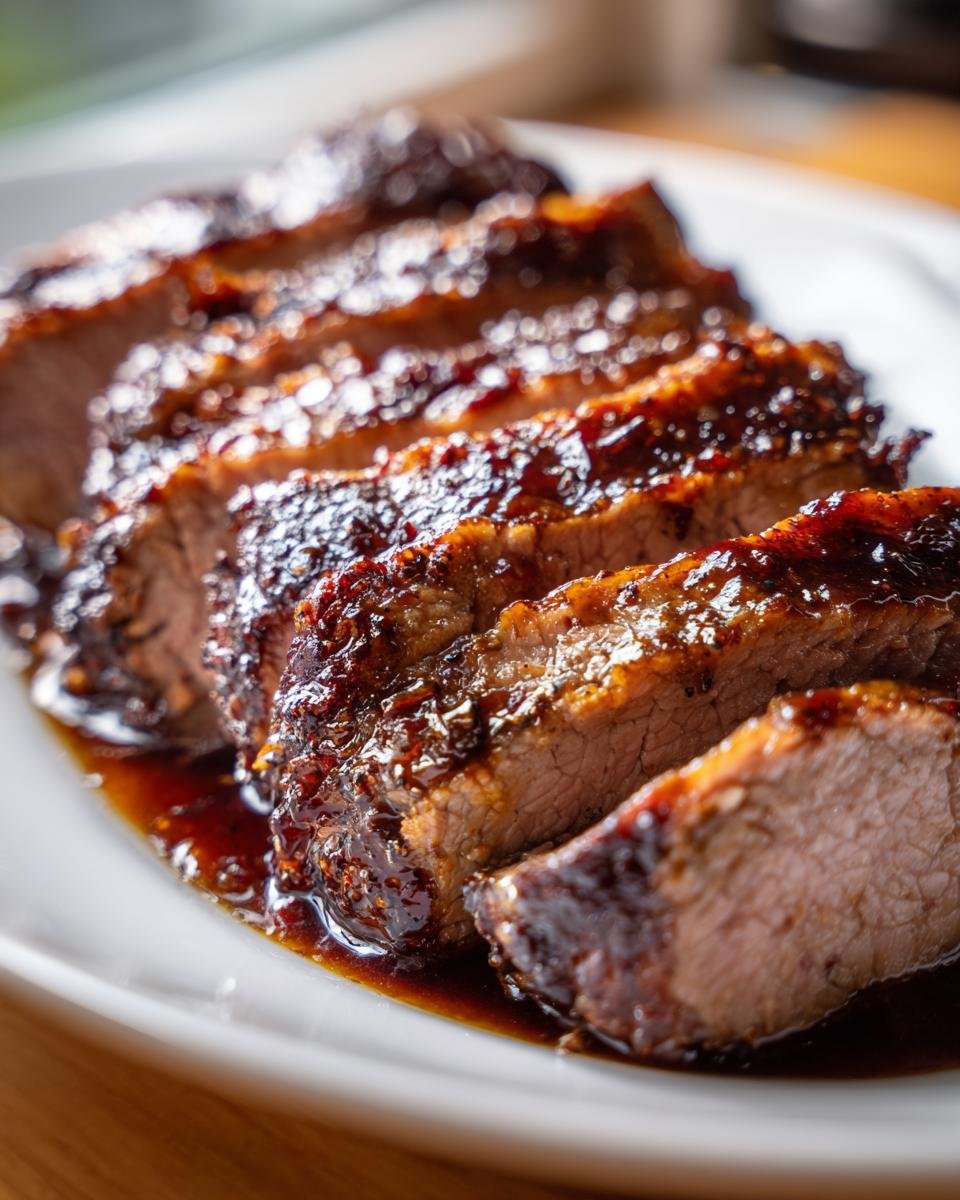
This glaze is what steals the show for our **Balsamic Roasted Pork Tenderloin**. It’s the perfect tug-of-war between sharp and sweet. You get that deep, acidic brightness from the balsamic vinegar, which plays so nicely against the molasses sweetness of the brown sugar. Then you layer in the punch of the Dijon and that warming, earthy rosemary. It coats the pork beautifully, making every slice taste seasoned right down to the center. It’s just magical!
Ingredients for Perfect Balsamic Roasted Pork Tenderloin
When we talk about ingredients for this amazing **Balsamic Roasted Pork Tenderloin**, simplicity wins again. We are using basic pantry staples, but their quality really matters here since there are so few components. You don’t need fancy cuts or esoteric spices. We do need to make sure we nail the measurements for the glaze, though, because that’s where all the magic happens! Here is everything you need ready to go before you even touch the stove.
Pork and Searing Components
- One pork tenderloin, typically about 1 to 1.5 pounds—look for one that isn’t too unevenly shaped so it cooks evenly.
- 2 tablespoons olive oil for getting that nice, crisp sear going in the hot pan.
Balsamic Glaze Ingredients for Balsamic Roasted Pork Tenderloin
This is the heart of the flavor! Remember to pack that brown sugar lightly into the measuring spoon.
- 1/4 cup balsamic vinegar—use the good stuff if you have it!
- 2 tablespoons brown sugar, packed firmly.
- 1 tablespoon Dijon mustard—that sharp tang cuts the richness beautifully.
- 2 cloves garlic, minced very finely. You can always save extra minced garlic in oil for later, too!
- 1/2 teaspoon dried rosemary. I love rosemary with pork; it smells incredible while roasting.
- Salt and black pepper to taste! Be generous with this seasoning pre-sear.
Step-by-Step Instructions for Balsamic Roasted Pork Tenderloin
If you’re ready to see how fast this comes together, grab your oven-safe skillet! I’ve broken this down by stage so you can see exactly where the timing matters most. Don’t rush any part, especially the searing—that’s where the flavor building really starts for our **Balsamic Roasted Pork Tenderloin**.
Preheat and Prepare the Pork
First things first: get that oven hot and ready. We need it humming along at 400 degrees Fahrenheit (that’s 200 Celsius) before anything goes in. While it’s heating up, grab your pork tenderloin and pat it completely dry using paper towels. I mean bone-dry! Moisture keeps the sear from happening, and we need that gorgeous brown crust. Once dry, season every surface liberally with salt and black pepper. Don’t be shy with the seasoning!
Making the Balsamic Glaze
While the oven gets up to temperature, it’s glaze time. In a small bowl—just a regular little one—whisk everything together until it looks somewhat uniform. You’ll combine that balsamic vinegar, the brown sugar, Dijon mustard, minced garlic, and dried rosemary. Just whisk it until the sugar mostly dissolves and everything looks combined. This smells so good even before it hits the heat!
Searing and Initial Glazing of the Balsamic Roasted Pork Tenderloin
Set your oven-safe skillet (or Dutch oven, whichever you have) over medium-high heat and get that olive oil shimmering. Carefully place the seasoned pork tenderloin in the hot oil. Now, this is important: sear it patiently on all sides until it’s beautifully browned. We are only talking about 2 minutes per side here—don’t cook it through, just develop that crust! Once seared, pull it off the burner for just a moment and brush half of that homemade balsamic glaze right over the top and sides before transferring the whole skillet straight into the hot oven.
Roasting and Final Rest
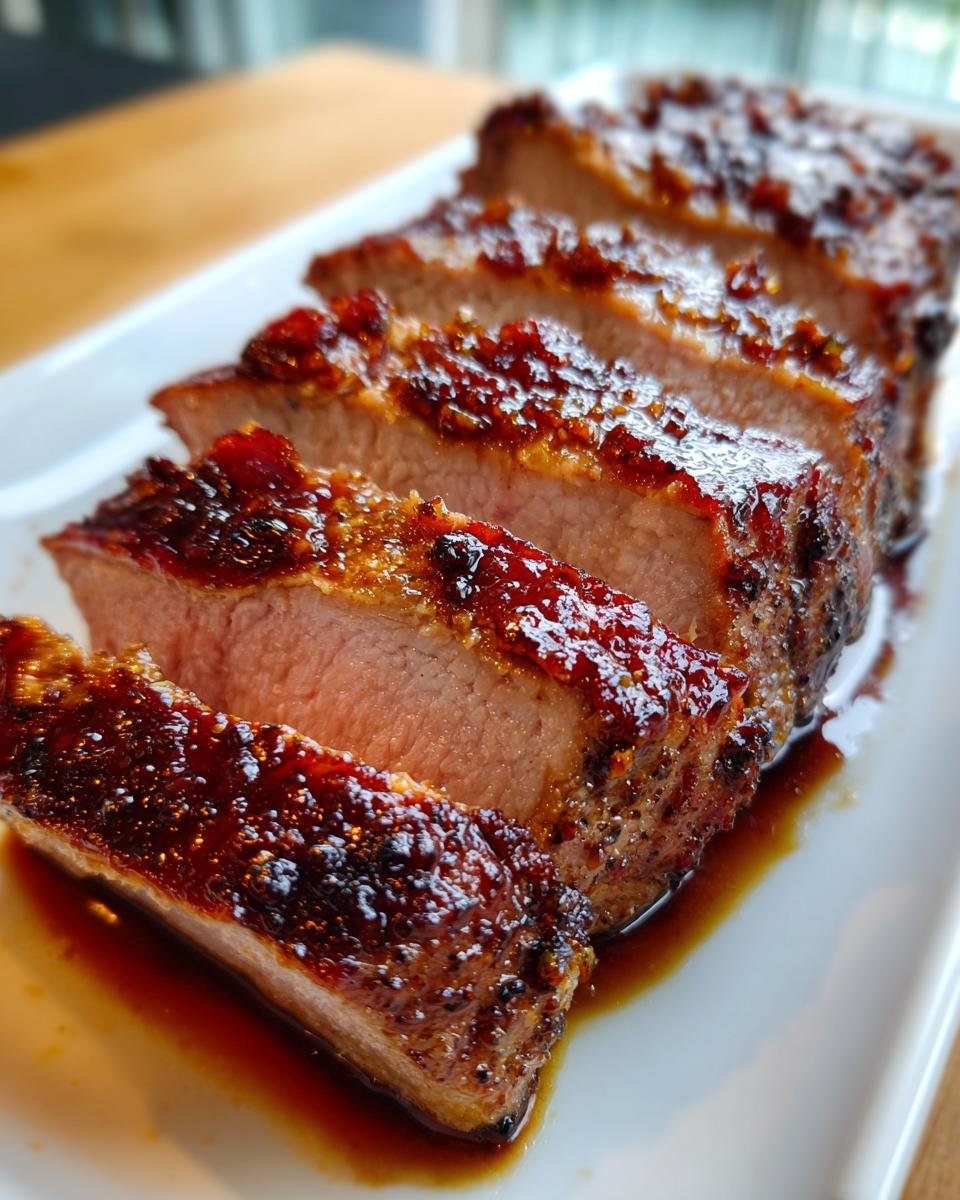
Time for the oven magic! Place that skillet inside the 400°F oven. You’re looking at 15 to 25 minutes, but listen up—you MUST check the temperature. For keeping your pork juicy, even when grilling pork, you need that thermometer! We are aiming for an internal temperature right at 145 degrees Fahrenheit using a meat thermometer inserted into the thickest part. Safety first! Once it hits 145°F, pull it out immediately. Brush the remaining glaze over the hot pork—it will soak right in. Then, let that beautiful **Balsamic Roasted Pork Tenderloin** rest on a cutting board, covered loosely with foil, for 5 to 10 minutes. Resist the urge to slice early, or all those delicious juices we worked so hard to keep inside will run out! Once rested, slice it thickly against the grain and serve it up hot.

Tips for Achieving the Best Balsamic Roasted Pork Tenderloin
Okay, let’s talk pro-tips to make your **Balsamic Roasted Pork Tenderloin** absolutely perfect every single time. I learned a few tricks after almost ruining a few dinners early on, so you don’t have to stress! The main thing is managing that cleanup because a sticky glaze likes to glue itself to the bottom of your favorite pan.
If you are worried about scrubbing later, I sometimes lay down a sheet of parchment paper right in the skillet *before* I sear the pork. Now, full disclosure—it might keep your sear from being super aggressive since the direct heat transfer is slightly blocked, but wow, cleanup becomes a dream! If you don’t have an oven-safe skillet, don’t panic. Just sear it in whatever skillet you have on the stovetop. Then, transfer that beautifully browned pork into a regular baking dish before you brush on that glaze and pop it into the oven. You’ve got this!
Also, that 145°F target is gospel for safety and moisture. If you pull it out at 140°F, the residual heat during resting will bring it right up to temperature. Check out my tips for handling a whole pork roast; those concepts absolutely apply here for maximum juiciness!
Serving Suggestions for Your Roasted Pork
So, you’ve pulled this incredible, glistening pork tenderloin out of the oven and it’s resting beautifully. Now what goes next to this tangy star? You want sides that complement that sweet balsamic tang without competing with it. Since the pork already brings a fantastic depth of flavor, I always lean toward simple, slightly earthy vegetables or maybe something creamy on the side to catch all those lovely glaze drippings.
For me, roasted potatoes are a must—something simple like tiny yellow potatoes tossed just with salt, pepper, and maybe a drizzle of oil. They soak up any extra glaze left on your plate, which is truly a gift. If you’re feeling veggie-heavy, you can’t go wrong with a green component.
I personally adore pairing this with something vibrant, like my favorite garlic Parmesan roasted vegetables. The savory cheese and garlic cut through the richness of the glaze perfectly. You could also whip up some creamy mashed potatoes or simple polenta if you want a true comfort-food vibe. The key is keeping the sides straightforward so the bright flavor of that roasted pork remains the absolute focus of the meal. It’s just so satisfying!
Storing and Reheating Your Balsamic Roasted Pork Tenderloin
We almost never have leftovers when I make this **Balsamic Roasted Pork Tenderloin** because everyone dives in before the resting time is even over! But hypothetically, if you manage to save some, storing it correctly is really important so it tastes just as good the next day. You always want to cool any leftovers down relatively quickly, and then get them tucked into an airtight container in the fridge. It generally keeps wonderfully for about three to four days, which makes it perfect for quick lunches throughout the week.
Now, reheating is where folks sometimes go wrong, and suddenly your beautiful, juicy roast becomes dry shoe leather. No thank you! You absolutely do not want to nuke a slice of this pork on high heat. That intense blast of microwave energy will suck all the moisture right out of the tenderloin.
Here’s my secret for keeping that gorgeous balsamic flavor intact:
- Best Method: Slow and Low in a Pan. Place your slices in a small skillet over low heat. Pour in just a tiny splash of liquid—a spoon of water, chicken broth, or even a tiny bit more balsamic vinegar if you have it—pour it around the pork, not directly on top. Cover the skillet tightly. Let it warm up slowly over 5 to 7 minutes. This gentle steam bath reintroduces moisture without overcooking the meat.
- If You Must Microwave: If you’re in a huge rush, place your slices on a microwave-safe plate and cover that plate tightly with a damp paper towel. Microwave in 20-second bursts until warmed through. That damp paper towel creates a little steam pocket, protecting the **Balsamic Roasted Pork Tenderloin** from drying out too fast.
Just follow those reheating steps, and that leftover roast will taste nearly as good as fresh!
Frequently Asked Questions About This Pork Recipe
It’s totally normal to have a few last-minute questions before roasting meat, especially when timing matters! I totally get it. People always ask me about nailing that perfect cook temperature, and whether they can mess around with the glaze ingredients if they are missing something in the pantry. I’ve pulled together the most common queries about this recipe so you can walk into the kitchen feeling totally confident!
How do I know when the pork tenderloin is fully cooked?
This is the most important question, right? Safety and texture are involved here! You absolutely must use a decent meat thermometer. Forget just poking it with a fork; we need precision for pork tenderloin. You are looking for the temperature gauge to hit exactly 145 degrees Fahrenheit when inserted into the thickest part of the meat. Once it hits that mark, pull it out straight away. Because we let our **pork tenderloin** rest for those crucial 5 to 10 minutes after it comes out, the temperature will continue to rise safely by a few degrees, ensuring it’s perfectly cooked inside and incredibly juicy on the plate. No undercooked pork worries here!
Can I substitute the brown sugar in the balsamic glaze?
Great question about the glaze flexibility! The brown sugar does add that deep molasses flavor that pairs so well with balsamic, but if you’re out, you can absolutely use maple syrup as a direct 1:1 substitute. Because pure maple syrup is a bit thinner than packed brown sugar, I usually suggest warming your glaze ingredients slightly before whisking everything together, just to help that substitution incorporate smoothly.
If you use maple syrup, you might find the glaze reduces just a touch faster in the oven compared to the sugar version, so definitely keep a closer eye on it during that last 10 minutes of roasting. If you wanted to try something different next time, maybe look into using honey, but always add a bit more Dijon mustard to balance out the extra sweetness that honey brings!
If you are looking for super easy ways to handle your pork next time, I heard someone making fantastic results with their Instant Pot, which is a totally different but equally fast method for getting dinner on the table!
Nutritional Estimate for Balsamic Roasted Pork Tenderloin
Now listen, I’m a home cook, not a certified nutritionist! I use these numbers as a rough guide for planning our meals, but they are just estimates based on the recipe as written. You need to remember that things like how much fat sticks to the pan during searing or exactly how much sugar you packed in can change things slightly.
These estimates are calculated based on the recipe yielding 3 servings, meaning the numbers below are for about a 4 oz serving of cooked meat. It’s great to see how lean this meal is, though—tons of protein for hardly any fat!
Here is the breakdown of what we are usually looking at in one satisfying serving of this roasted pork:
- Calories: Approximately 250 calories
- Protein: A whopping 30 grams! That keeps you full, I tell you.
- Fat: Around 10 grams total fat.
- Carbohydrates: About 10 grams. Most of this comes right from that sweet, beautiful glaze, of course.
- Sugar: Roughly 8 grams in that rich, sticky coating.
Don’t sweat the small stuff too much when you’re making something this delicious. Focus on enjoying that incredible flavor! If you want to see how the timing is better for different cooking methods, I’ve seen some neat results coming from folks using the Instant Pot, just in case you’re looking for a non-oven route next time!
Share Your Balsamic Roasted Pork Tenderloin Experience
Well, we’ve reached the end, and hopefully, your kitchen now smells absolutely incredible thanks to that gorgeous **Balsamic Roasted Pork Tenderloin**!
I truly hope you loved how quick and easy this meal came together. It’s become my go-to when I need a weeknight win that doesn’t sacrifice flavor. But now I need to hear from you! Did you try searing it in cast iron? Did your glaze get extra sticky? Tell me everything!
Please leave a rating right below this—five stars if you think it deserves it, or tell me honestly if you made any tweaks that worked really well for your family. Did you pair it with those Parmesan veggies I mentioned? Snap a picture if you can! I absolutely love seeing your finished dishes in the comments below. Seeing your successful **Balsamic Roasted Pork Tenderloin** photos always makes my day better. Happy cooking, everyone!
Print
Balsamic Roasted Pork Tenderloin
- Total Time: 35 min
- Yield: 3 servings 1x
- Diet: Low Fat
Description
A simple recipe for pork tenderloin roasted with a balsamic glaze.
Ingredients
- 1 pork tenderloin (about 1 to 1.5 lbs)
- 2 tablespoons olive oil
- 1/4 cup balsamic vinegar
- 2 tablespoons brown sugar
- 1 tablespoon Dijon mustard
- 2 cloves garlic, minced
- 1/2 teaspoon dried rosemary
- Salt and black pepper to taste
Instructions
- Preheat your oven to 400 degrees Fahrenheit (200 degrees Celsius).
- Pat the pork tenderloin dry with paper towels. Season all sides generously with salt and pepper.
- In a small bowl, whisk together the balsamic vinegar, brown sugar, Dijon mustard, minced garlic, and rosemary to create the glaze.
- Heat the olive oil in an oven-safe skillet over medium-high heat. Sear the pork tenderloin on all sides until browned, about 2 minutes per side.
- Brush half of the balsamic glaze over the top and sides of the seared pork.
- Transfer the skillet to the preheated oven. Roast for 15 to 25 minutes, or until an internal temperature of 145 degrees Fahrenheit is reached.
- Remove the pork from the oven. Brush with the remaining glaze. Let the pork rest on a cutting board for 5 to 10 minutes before slicing.
- Slice the tenderloin against the grain and serve immediately.
Notes
- For easier cleanup, you can line your skillet with parchment paper before searing, though this may slightly affect the sear quality.
- If you do not have an oven-safe skillet, sear the pork in a regular skillet and then transfer it to a baking dish before roasting.
- Prep Time: 10 min
- Cook Time: 25 min
- Category: Dinner
- Method: Roasting
- Cuisine: American
Nutrition
- Serving Size: 4 oz cooked meat
- Calories: 250
- Sugar: 8
- Sodium: 250
- Fat: 10
- Saturated Fat: 3
- Unsaturated Fat: 7
- Trans Fat: 0
- Carbohydrates: 10
- Fiber: 0
- Protein: 30
- Cholesterol: 85
Keywords: pork tenderloin, balsamic, roasted pork, main course, easy dinner