
You know how it is when the holiday approaches—I completely lose it over the baking schedule! While everyone else focuses on chocolate eggs, my heart belongs to the yeast-risen centerpieces. This year, we are absolutely making the showstopper: the Greek Easter Bunny Bread, or Tsoureki, shaped like a sweet little bunny. This isn’t just any sweet bread; it smells like heaven because of those glorious, heady spices like mahlab and mastic they always use.
For me, pulling this aromatic loaf out of the oven means Easter is officially here. I remember the first time my Yiayia let me knead the dough; it felt like magic turning those simple ingredients into something so rich. It’s a tradition I insist on keeping alive because the flavor is truly unforgettable.

Why This Greek Easter Bunny Bread is a Must-Bake
Honestly, you have to try this recipe just once to understand the hype. It’s truly different from all the other sweet breads out there. I know there are so many quick bread options out there, like these quick bread recipes, but the effort here is worth it for the result!
Here’s why this loaf always earns top marks at our table:
- Authentic Greek Easter Bunny Bread Flavor Profile: That signature taste comes from mahlab and mastic. Mahlab gives it a warm, almost cherry-almond scent, and mastic—if you use it—adds this subtle, beautiful herbaceous note. It elevates the whole experience!
- Perfectly Shaped Greek Easter Bunny Bread: Shaping the dough is honestly half the fun and makes serving it so special. When you pull out a perfectly braided bunny loaf, everyone just smiles. It’s a guaranteed hit with the kids, too!
Gathering Ingredients for Your Greek Easter Bunny Bread
Okay, gathering supplies is where we lay the foundation. Don’t rush this part; if you have the right ingredients ready, the mixing goes so smoothly! I love having everything measured out beforehand—it keeps me from messing up the yeast activation later. If you’re looking for other simple baking lists, check out what I use for my cheddar cheese quick bread.
Dough Ingredients for the Greek Easter Bunny Bread
We need about three cups of flour, but make sure your milk is warm, not hot—aim for that sweet spot between 105°F and 115°F so the yeast wakes up happy. We use melted butter, two whole eggs lightly beaten for richness, and be generous with that vanilla!
- 3 cups all-purpose flour
- 1 teaspoon active dry yeast dissolved in 1/2 cup warm milk
- 1/4 cup granulated sugar, 1/4 cup melted unsalted butter
- 2 large eggs, lightly beaten, 1 teaspoon vanilla extract
- 1/2 teaspoon salt
- 1/4 teaspoon ground mahlab and 1/8 teaspoon ground mastic (if you have it!)
Egg Wash and Decoration Components
The final touches require just a few things. The egg wash ensures that beautiful shine, so whisk that single egg yolk with just a couple of drops of water until it’s completely smooth. Keep an eye out for the optional decorations, too!
- 1 egg yolk mixed with a dash of water for brushing
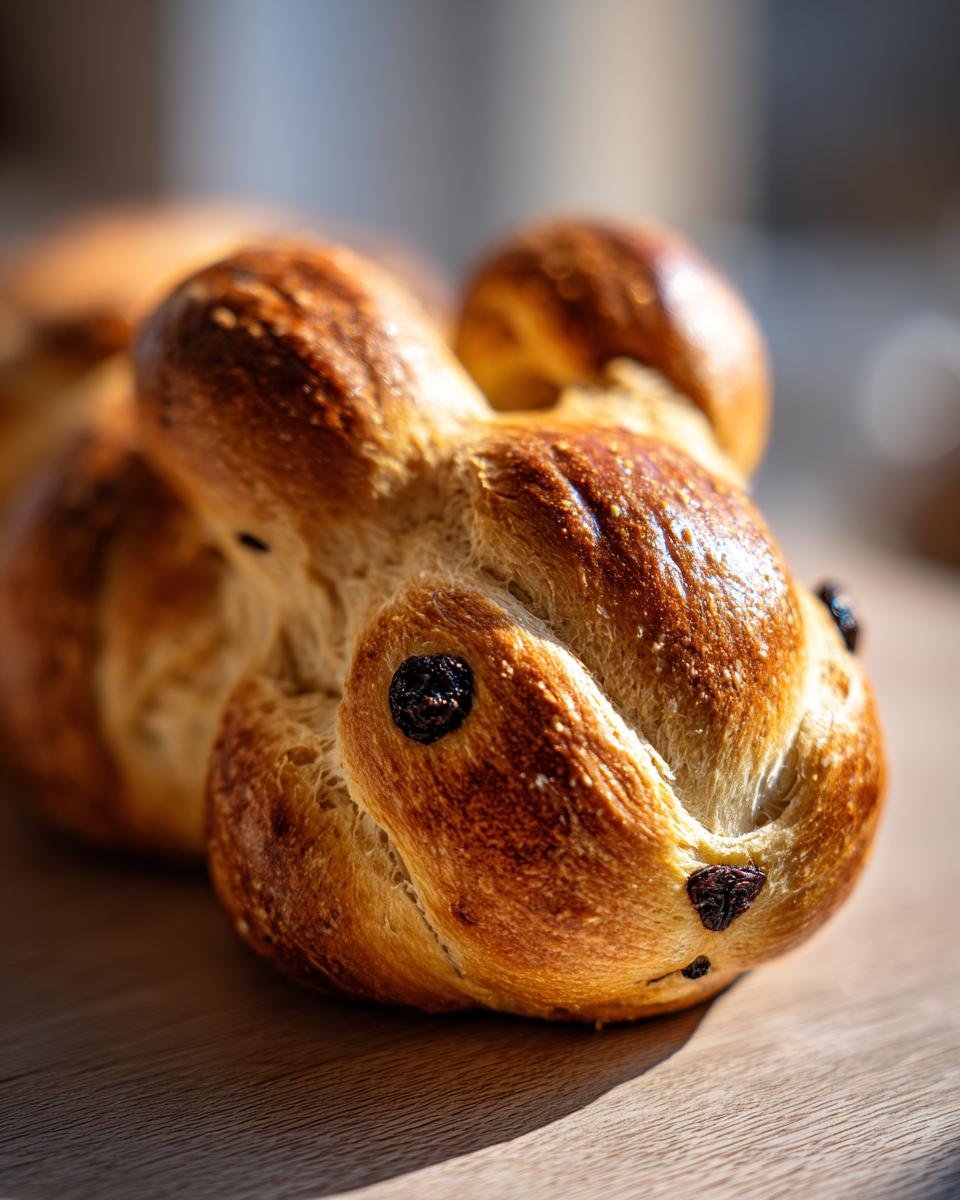
- Cloves (for the eyes, press them in gently!)
- A tiny bit of red food coloring mixed with water for that traditional forehead marking.
Step-by-Step Instructions to Make Greek Easter Bunny Bread
Now for the actual fun part! Making this dough is super satisfying, especially once you smell those spices start to bloom. If you’ve ever made a good basic yeast dough, this is just like that, but with that wonderful aroma making everything feel more special. If you need some general yeast tips while you get started, I always refer back to my notes on making ultimate homemade cornbread, because yeast is yeast!
Activating Yeast and Mixing the Greek Easter Bunny Bread Dough
First things first, we wake up the yeast! Mix that yeast into your warm milk and just walk away for about five minutes. It should get foamy on top; trust me, if it doesn’t foam, start over with fresh yeast because your bread won’t rise well. While that’s happening, grab your big bowl and whisk together the flour, sugar, salt, mahlab, and mastic.
Once the yeast is happy, pour that mixture into the dry ingredients along with your melted butter and beaten eggs. Mix it all up. It’s going to look messy and shaggy at first—don’t panic! That’s exactly what you want before you start working it by hand.
Kneading and First Rise for the Greek Easter Bunny Bread
Time to get those arms working! Turn the shaggy mess out onto a lightly floured counter space. You need to knead this dough for a solid 8 to 10 minutes. We’re looking for smooth and elastic—it should feel soft, pliable, and not stick annoyingly to your hands anymore. After that, lightly coat a bowl with oil, pop the dough in, cover it up, and find the warmest spot in your kitchen. Let it chill out and double in size, which usually takes about an hour to an hour and a half.
Shaping the Dough into the Easter Bunny Bread
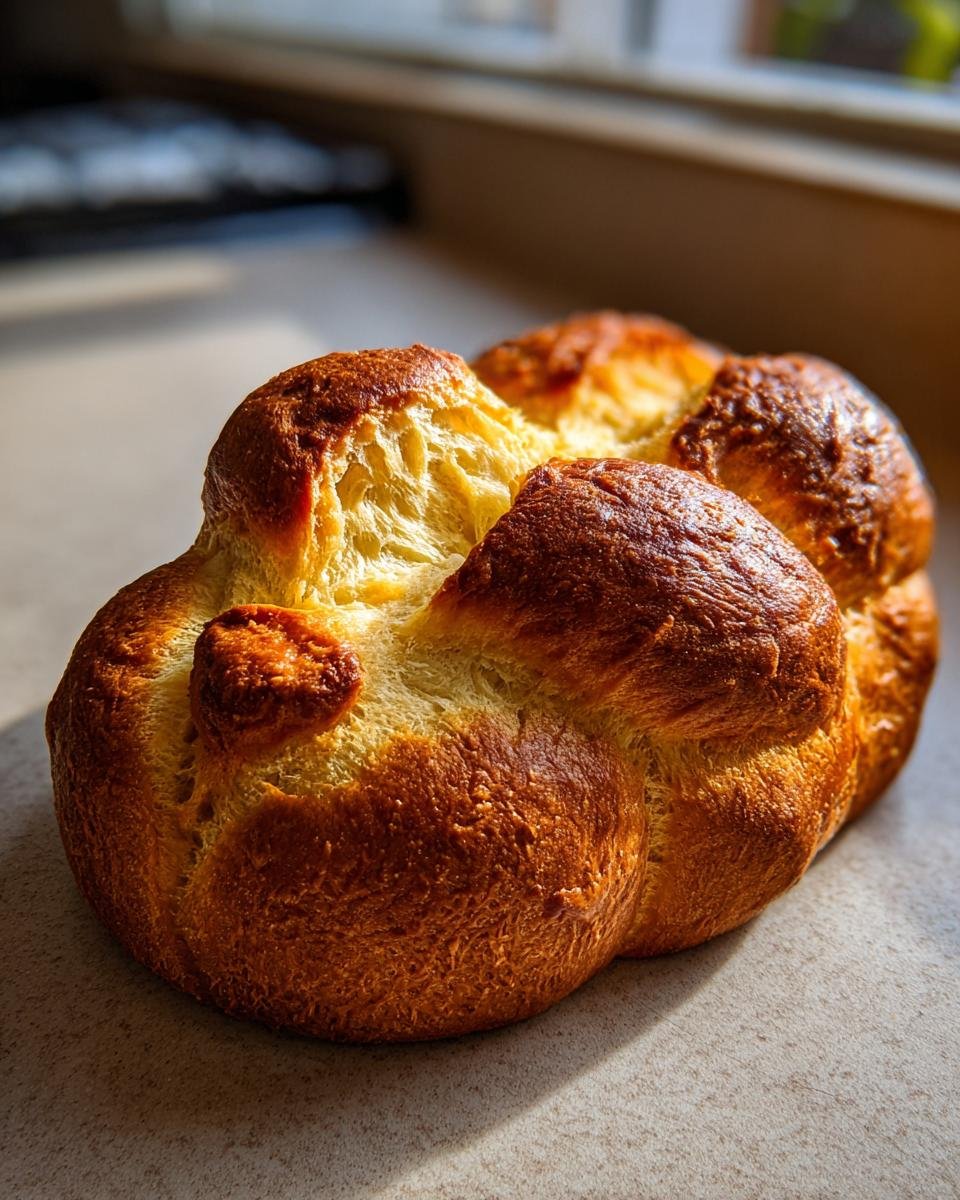
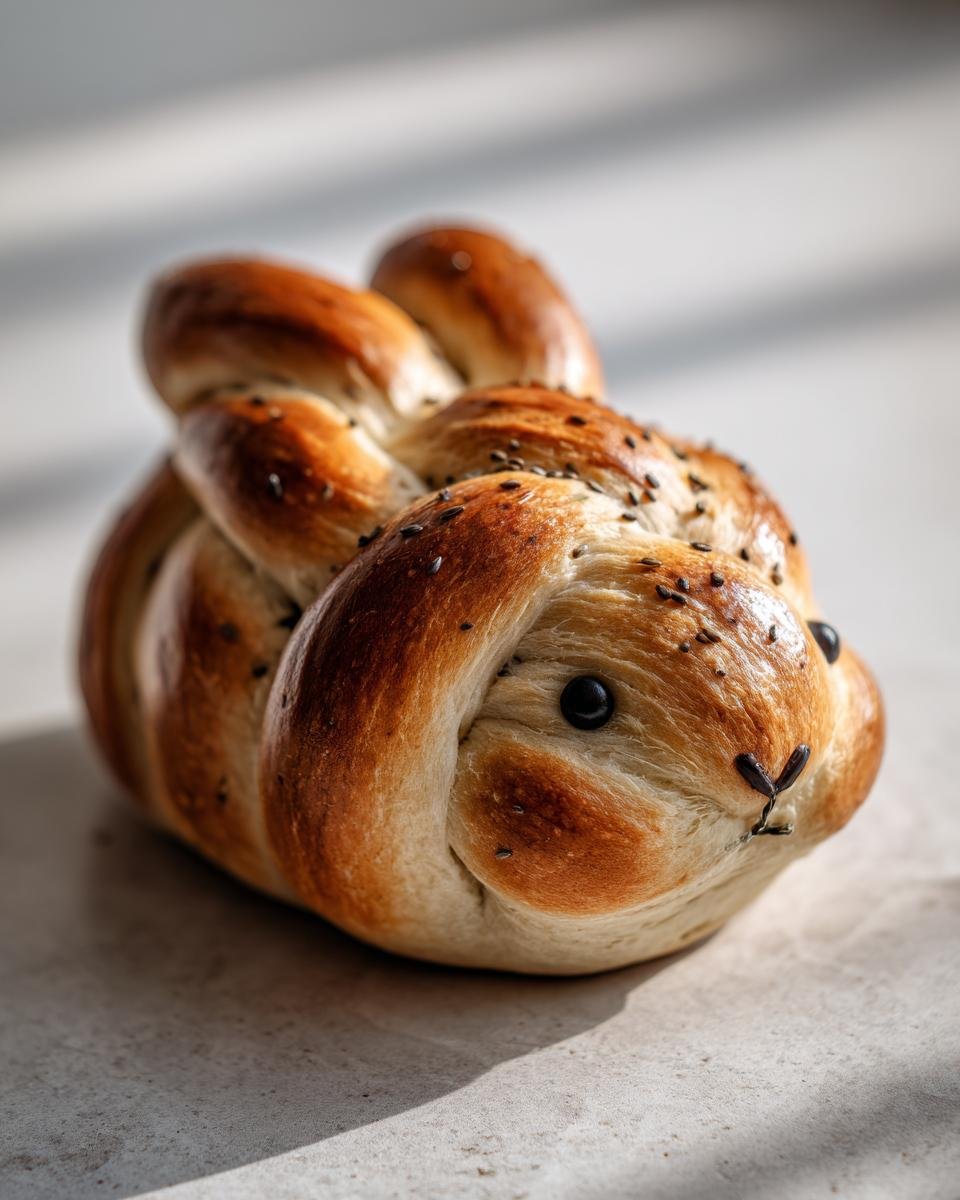
Once it’s puffed up, punch it down gently and divide it into three equal parts. Roll each piece until you have long ropes—think about the thickness of your thumb. Now, braid those three ropes together just like you would a regular loaf. Here’s the magic moment: take the braided loaf and curve the two ends up to form the bunny’s ears, and gently curve the body shape. It takes a little gentle maneuvering!
Final Proofing, Washing, and Baking the Greek Easter Bunny Bread
Lay your bunny on parchment paper and cover it loosely—just 30 minutes for the final little rise while you get the oven rolling. Preheat that oven to 375 degrees Fahrenheit (190 degrees Celsius). Before it goes in, brush the entire surface evenly with your simple egg yolk wash for that glorious golden glow. Bake it for about 25 to 30 minutes. You know it’s done when it’s deeply golden brown all over and smells incredible. Resist the urge to slice it right away; let it cool just slightly!
Expert Tips for Perfect Greek Easter Bunny Bread
Even though the main steps are straightforward, getting that *perfect* texture and aroma takes a little finesse. I’ve learned a few tricks over the years—especially when dealing with those powerful Greek spices—that I couldn’t keep to myself. These little tweaks really push this Greek Easter Bunny Bread over the top.
Handling Mahlab and Mastic in Your Greek Easter Bunny Bread
If you can, please, please grind your mahlab seeds right before you use them! They lose their punch fast once ground. You’ll get a huge burst of flavor if you toast them lightly in a dry pan first. Now, mastic can be tricky to find. If you can’t track it down, don’t worry about skipping it; the bread will still be amazing, just slightly less complex. Don’t try to substitute it with anything strong, or it’ll overpower the mahlab!
Troubleshooting Dough Consistency for the Greek Easter Bunny Bread
If your dough feels too sticky after those 8 minutes of kneading, resist the urge to dump in a ton more flour! That ruins the tenderness. Instead, dust your hands lightly and keep working it—it will absorb the moisture as you go. If it seems too dry and tears instead of stretching, wet your hands slightly and knead it in. This way, you keep the fat content exactly where we need it for that soft crumb. Speaking of great texture, if you love soft doughs, you have to try my recipe for quick easy mile high cinnamon rolls!
Serving Suggestions for Your Greek Easter Bunny Bread
We usually bake this bread the day before Easter, and it smells up the whole house, which I love! When it comes out shiny and perfect, serving is so simple. It’s already sweet and rich, so you don’t need much fuss. We usually slice it thick right after it cools down a bit.
It’s fantastic on its own for breakfast with coffee, or maybe some smooth, slightly tart Greek yogurt. Save those heavy syrups! This bread is flavorful all by itself. I’ve always thought about making irresistible garlic breadsticks, but for Tsoureki, simplicity is truly the key to letting that mahlab shine!
Storage and Reheating the Greek Easter Bunny Bread
Because this bread is so rich in butter and eggs, it tends to stay softer than plain white bread, which is great news for holiday prep! You can totally make this a day or two ahead. Once it’s completely cool—seriously, don’t wrap it warm!—wrap the entire loaf tightly in plastic wrap. You want to seal out all the air so it doesn’t go stale.
If you have leftovers later in the week, don’t worry about dry bread. Just slice off what you need and zap it briefly in the microwave—like 10 or 15 seconds. It comes right back to life! You can also toast slices for breakfast. It’s just as delicious when the spices warm up again.
Frequently Asked Questions About Greek Easter Bunny Bread
I always get so many questions once people start baking this! It’s traditional, but it’s also a little unique with those fancy spices, so it’s natural to wonder about substitutions or timing. If you are worried about the richness, remember that even when trying to make a light cake without butter and sugar, you can’t truly capture the essence of this Tsoureki!
Can I make Greek Easter Bunny Bread without Mahlab?
You *can*, but I wouldn’t recommend skipping it if you can help it! Mahlab is the heart of that unique flavor. If you absolutely cannot find it, you can try using just a tiny pinch of nutmeg and extra vanilla, but the flavor profile will shift away from the true Greek Easter Bunny Bread experience. Mastic is much more optional, though!
How long does the Greek Easter Bunny Bread stay fresh?
Because our Greek Easter Bunny Bread is quite buttery and has eggs, it stays wonderful for about three or four days if you keep it wrapped tightly at room temperature. If you wrap it well, it often lasts until Monday or Tuesday after Easter without getting stale. If you have too much, freezing slices works perfectly!
What is the significance of the bunny shape in this Greek Easter Bunny Bread?
That’s a fun one! While Tsoureki itself is about celebrating the end of Lent, shaping it into a bunny is a newer, very sweet tradition, often adopted to make the bread especially festive for children present at the Easter meal. It mixes the religious symbolism of resurrection with wonderful, happy springtime imagery. It makes the whole table feel cheerful!
Estimated Nutritional Data for Greek Easter Bunny Bread
I always feel a little guilty looking at this part after all that butter and sugar goes in, but hey, it’s a holiday treat! Keep in mind these numbers are just my best guess based on standard ingredient databases, so they are totally estimates for one slice of this rich Greek Easter Bunny Bread loaf.
- Serving Size: 1 slice
- Calories: 250
- Sugar: 12g
- Total Fat: 10g (6g Saturated)
- Carbohydrates: 35g
- Protein: 6g
Remember, because this is homemade, your exact numbers might vary depending on the brands you use, but this gives you a good idea!
Share Your Greek Easter Bunny Bread Creations
I really, truly, want to see your loaves! Baking is so much better when we can share the results, even if it’s just virtually. Once you pull your beautiful, braided, bunny-shaped masterpieces out of the oven, I want to know what you thought!
Did the mahlab aroma fill your whole house? Did the kids get excited about their bunny ears? Please leave a star rating for the recipe right down below. A rating helps other bakers find this wonderful tradition, and honestly, it encourages me to keep updating these family recipes!
And if you snapped a photo—oh, please tag me! I love seeing how you decorate them. Did you put little clove eyes on yours? Did you opt for the red ‘X’ or skip it? If you are looking for other highly-rated bakes, you might want to check out this amazing pineapple quick bread while you wait for your Tsoureki to cool. Happy Easter, everyone!
Print
Greek Easter Bunny Bread (Tsoureki)
- Total Time: 2 hours 5 min
- Yield: 1 loaf 1x
- Diet: Vegetarian
Description
A sweet, braided bread flavored with mahlab and mastic, traditionally made for Greek Easter.
Ingredients
- 3 cups all-purpose flour
- 1 teaspoon active dry yeast
- 1/2 cup warm milk
- 1/4 cup granulated sugar
- 1/4 cup unsalted butter, melted
- 2 large eggs, lightly beaten
- 1 teaspoon vanilla extract
- 1/2 teaspoon salt
- 1/4 teaspoon ground mahlab
- 1/8 teaspoon ground mastic (optional)
- 1 egg yolk, for egg wash
- Red food coloring (for decoration)
Instructions
- Dissolve yeast in warm milk and let stand for 5 minutes until foamy.
- In a large bowl, combine flour, sugar, salt, mahlab, and mastic.
- Add the yeast mixture, melted butter, eggs, and vanilla to the dry ingredients. Mix until a shaggy dough forms.
- Knead the dough on a lightly floured surface for 8 to 10 minutes until smooth and elastic.
- Place the dough in a lightly oiled bowl, cover, and let rise in a warm place for 1 to 1.5 hours, or until doubled in size.
- Punch down the dough. Divide it into three equal pieces.
- Roll each piece into a long rope. Braid the three ropes together to form a loaf.
- Shape the braided loaf into a bunny shape by curving the ends to form ears and a body.
- Place the shaped dough on a baking sheet lined with parchment paper. Cover loosely and let rise for 30 minutes.
- Preheat your oven to 375 degrees Fahrenheit (190 degrees Celsius).
- Mix the egg yolk with a few drops of water for the egg wash. Brush the surface of the bread.
- Bake for 25 to 30 minutes, or until golden brown.
- Cool slightly before serving.
Notes
- For the bunny eyes, press two cloves into the dough before baking.
- You can use a small amount of red food coloring mixed with a drop of water to paint a small red ‘X’ on the forehead, a traditional decoration.
- Prep Time: 30 min
- Cook Time: 30 min
- Category: Dessert
- Method: Baking
- Cuisine: Greek
Nutrition
- Serving Size: 1 slice
- Calories: 250
- Sugar: 12
- Sodium: 150
- Fat: 10
- Saturated Fat: 6
- Unsaturated Fat: 4
- Trans Fat: 0
- Carbohydrates: 35
- Fiber: 1
- Protein: 6
- Cholesterol: 50
Keywords: Greek Easter Bread, Tsoureki, Easter Bunny Bread, Mahlab Bread, Sweet Bread