
If you think gourmet means spending hours in the kitchen, I’m here to show you otherwise! Weeknights are hectic, but that doesn’t mean we have to settle for boring food. I remember the first time I tried a pizza like this at a fancy little bistro—it was creamy, tangy, and perfectly balanced. I knew instantly I had to figure out how to bring that sophistication home without all the fuss. Trust me, this recipe for incredible Goat Cheese Pizza uses simple store-bought shortcuts to deliver a restaurant-quality experience in less than 45 minutes. It’s my secret weapon for high-end flavor when I’m already tired!
Why This Goat Cheese Pizza Recipe Works So Well
You might look at the ingredients—goat cheese, onions, balsamic—and think it’s complicated, but that’s the genius of it! This pizza proves that simple components, handled correctly, create something truly special. It’s all about maximizing impact with minimal effort. I’ve loved seeing how much people enjoy it!
- Quick Prep Time for Your Goat Cheese Pizza: With only about 10 minutes of hands-on prep time, you can have this on the oven faster than most delivery drivers can call you. It’s genuinely a weeknight champion.
- Flavor Balance in Every Bite of Goat Cheese Pizza: This is where the magic happens. You get the rich, tangy punch from the goat cheese cutting perfectly through the deep, almost jammy sweetness we coax out of those onions. And if you want something similar but less sweet, you should check out my peach and prosciutto flatbread sometime!
Gathering Ingredients for Your Goat Cheese Pizza
Shopping for this pizza is a breeze because it relies on just a few high-impact items. Yes, we’re starting with a pre-made crust—don’t feel guilty! It keeps things totally manageable. You’ll need about 4 ounces of goat cheese, and please, crumble it yourself right before putting it on the pizza. Store-bought crumbles can sometimes be drier, and we need that creamy melt!
The star, besides the cheese, is one large yellow onion. Slice it thinly across the grain—thinness is crucial for that soft caramelization later. Along with that, grab your olive oil and a tiny bit of sugar to help speed up the browning process. For the base, you can use a thin layer of standard pizza sauce, or—and this is my preferred move—just brush the crust lightly with good olive oil. If you happen to be whipping up some amazing sides, you might want to check out my recipe for ultimate homemade cornbread!
Finally, don’t forget the fresh arugula and that rich balsamic glaze for drizzling right at the end. That glaze is non-negotiable; it ties everything together beautifully!
Expert Tips for Perfect Caramelized Onions for Goat Cheese Pizza
Listen up, because if you rush the onions, you ruin the whole experience! Caramelizing onions isn’t actually hard, but it demands patience—it’s a slow transformation, not a fast sauté. For this Goat Cheese Pizza to sing, those onions need to cook low and slow for a full 20 to 25 minutes until they are deeply brown, soft like butter, and intensely sweet. If you’re using a thin pan, they might burn before they properly cook, so I highly recommend using a heavy-bottomed skillet. You want that thicker metal to distribute the heat evenly so they just melt down. Trust me on this one!
You’ll be stirring every few minutes, watching them shrink and darken. Around the 15-minute mark, when they are getting nice and brown, that’s when you stir in your teaspoon of sugar. This little bit of sugar helps push the caramelization along and gives the onions that signature, slightly sticky sweetness that plays so well against the tang of the goat cheese. It’s one of those kitchen secrets that makes a massive difference. If you love learning about onions—and trust me, you should—I wrote a whole piece about three amazing ways to conquer them!
When they are done, they won’t look like standard onion rings; they’ll look more like a sweet, jammy topping. Take them off the heat right away! If you’re doing other ambitious cooking that day, maybe try using these skills on something heartier like onion and pepper steaks later in the week. But for the pizza, cool them slightly before spreading them; otherwise, you might melt your base layer too much.
Assembling Your Goat Cheese Pizza
Okay, we have our perfectly soft, sweet, caramelized onions—the flavor bombs of this entire operation! Now it’s time to bring this Goat Cheese Pizza to life. First things first: get that oven hot, usually around 425 degrees Fahrenheit, based on what your crust package says. If you’re using a pizza stone, get that in there while it heats up! That’s the trick to a perfectly golden, crunchy bottom, especially since we aren’t using a traditional thick dough.
Lay out your pre-made crust. Now, decide on the base! You have two excellent choices here. If you want a little extra acidity and depth, use a thin, even layer of your favorite pizza sauce. But honestly? For this gourmet feel, I skip the sauce most of the time and just brush the crust really lightly with good olive oil. It lets the onion and goat cheese flavors really shine without any competition! You can even try replacing the sauce with a thin layer of fig jam for something extra special—it’s amazing!
Next up are those glorious onions. Spread them out gently over your chosen base. Don’t pile them too high right now, because the goat cheese needs space to melt around them. Now, sprinkle that crumbled goat cheese evenly across the top. You want good coverage, but again, don’t smother it; you want those pockets of warm, tangy cheese mingling with the sweet onions as it bakes. We’re building layers of flavor here, much like my recipe for irresistible cheesy garlic bread pizza toast, but slower and more elegant!

Baking Instructions for the Ideal Goat Cheese Pizza Crust
Alright, your Goat Cheese Pizza is assembled and looking gorgeous with those layers of caramelized goodness and creamy white cheese! Now, we get to the baking part, and this is where we guarantee that crisp crust you deserve. First, make sure your oven is roaring hot. Most pre-made crusts want about 425 degrees Fahrenheit—always double-check that package instruction, though!
If you are using a pizza stone, now is the time to trust my advice: put that stone in the oven *before* you even turn the heat on. Getting that stone screaming hot really helps the bottom of the crust cook fast, giving you such a satisfying crunch. If you skip that preheating step, the dough chills the stone right when you put it in, and suddenly you’ve got a softer bottom. I learned that the hard way when I was attempting that ultimate stuffed crust pepperoni pizza back in the day—the texture was way off!
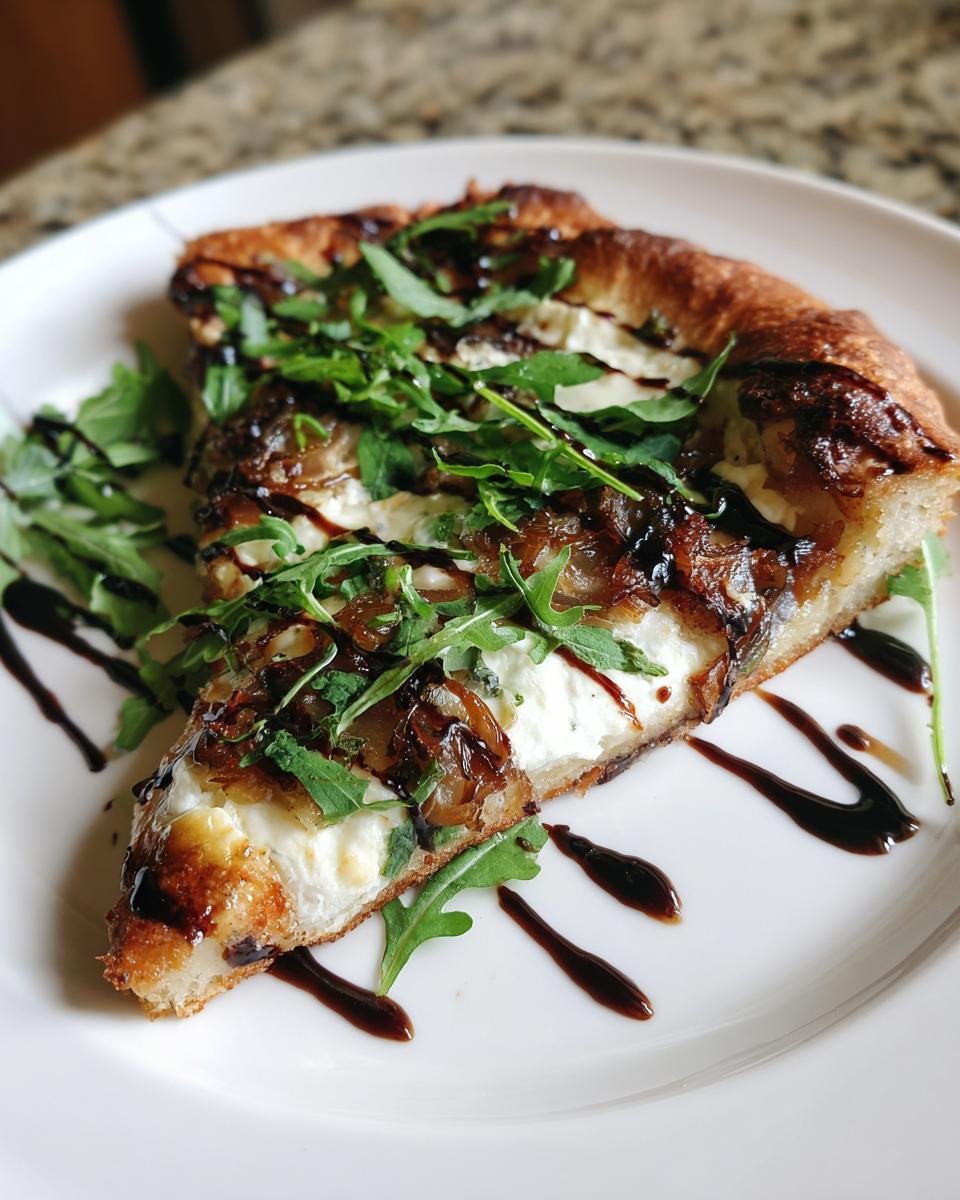
Once the oven is to temperature, slide your assembled pizza onto that hot stone or your standard baking sheet. We are aiming for a short, intense bake here: about 10 to 15 minutes total. You’re checking for two things: first, the crust edges should be beautifully golden brown, and second, you want to see that beautiful soft melt on your goat cheese. If the crust is looking great but the cheese seems slow to soften, pop it under the broiler for 30 seconds, but watch it like a hawk! Goat cheese burns fast.
When it comes out, oh my goodness, that smell! You’re done with the heavy lifting, and now we move onto the fun stuff!
Finishing Touches: Topping Your Goat Cheese Pizza
Your Goat Cheese Pizza has achieved golden perfection in the oven, and trust me, you’ll want to pull it out immediately because the final steps add so much life to the rich cheese and onions. This isn’t just about making it look pretty; these last additions bring in crucial texture and bright flavor contrasts we want.
As soon as the pizza comes off that hot stone, scatter a generous handful of fresh arugula right over the top. Don’t pile it on too thick, because the heat of the pizza will wilt it down quickly. Arugula brings that peppery bite—it’s necessary to cut through the richness of the goat cheese and the sweetness of the caramelized topping. It feels light and fresh, like adding a salad right on top of your dinner!
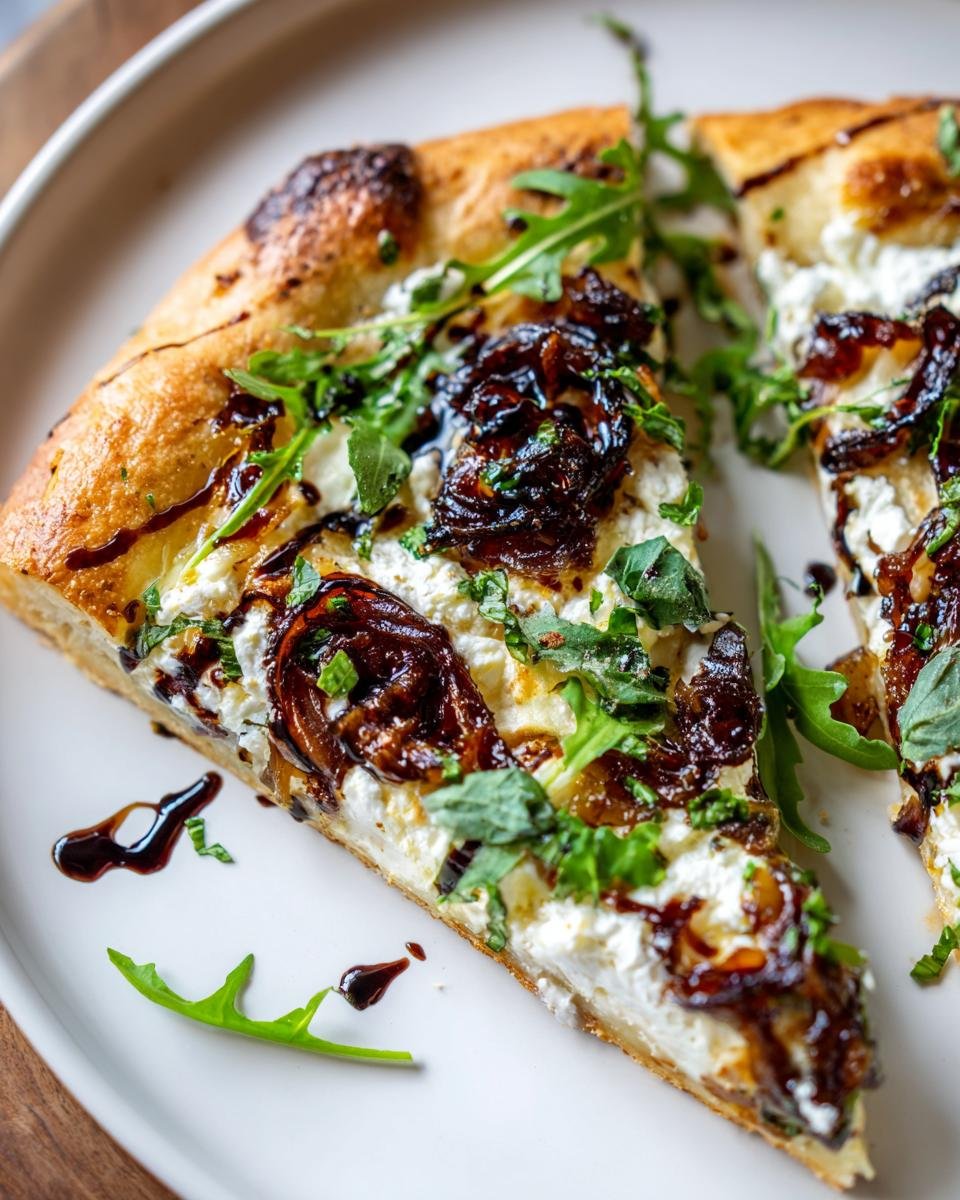
Then comes the absolute must-have: the balsamic glaze. You’re going to drizzle that thick, dark, syrupy balsamic glaze all over everything. It looks stunning and tastes even better. You need that sharp, vinegary sweetness to balance out the rest of the savory notes. I use a squeeze bottle for this because it gives me better control, ensuring I get those beautiful contrasting lines across the cheese. If you love that sweet and tangy flavor combo, you’ll adore the glaze on my delicious Caprese salad, too! Slice up your fantastic pizza right away, and serve it while the cheese is still soft and yielding.
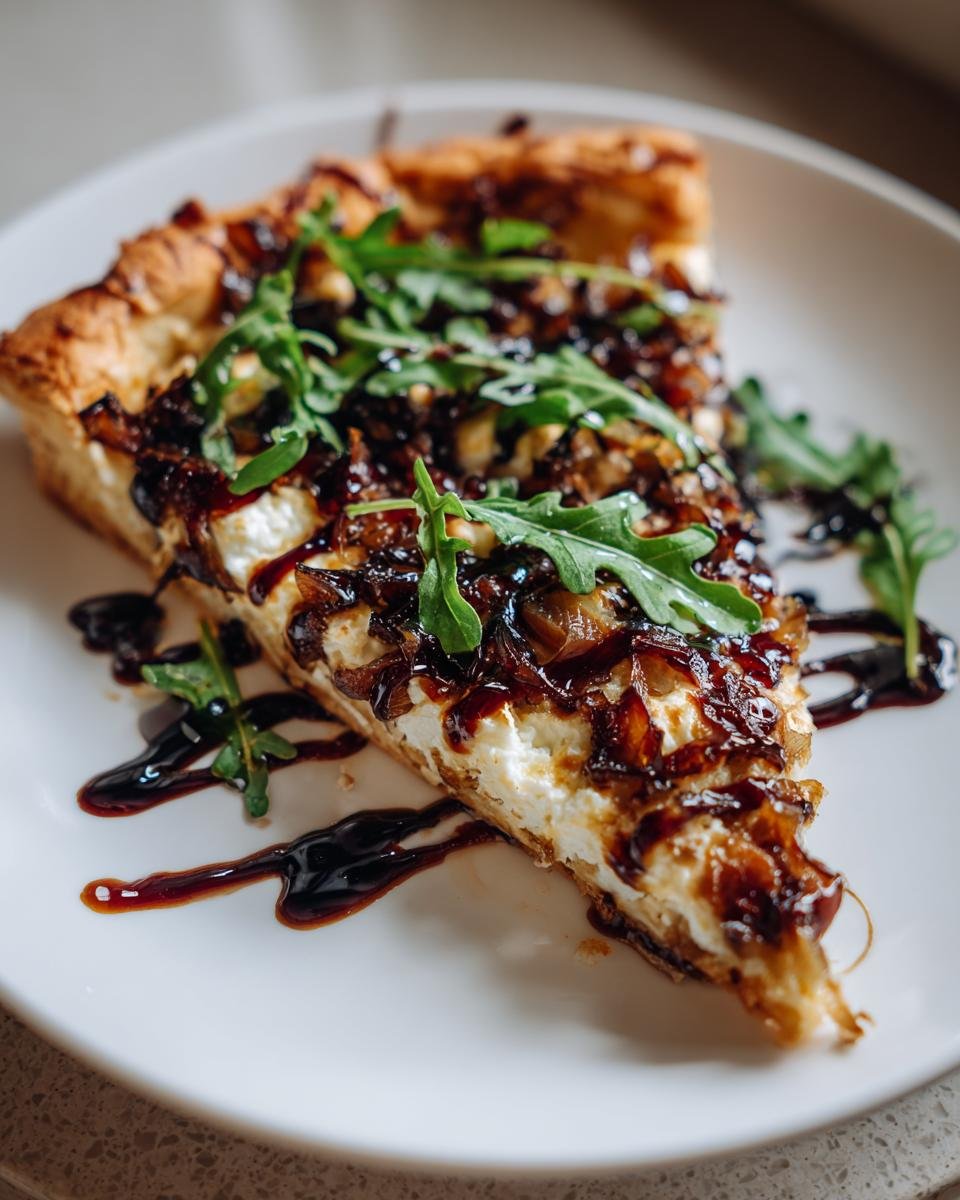
Ingredient Notes and Substitutions for Goat Cheese Pizza
Even though I’m a stickler for this exact combination because it tastes so amazing, I totally get that sometimes you need to make a pivot based on what’s in the fridge. The beauty of this Goat Cheese Pizza is that it’s flexible, provided you respect the fundamental flavor profiles—sweet, tangy, savory!
Remember that tip about swapping out the base layer we talked about earlier? Instead of the regular pizza sauce or plain olive oil, try spreading a thin, even layer of fig jam. Honestly, this substitution takes the pizza from great to absolutely mind-blowing. The jam melts slightly into the crust while baking and pairs so perfectly with the saltiness of the cheese and the eventual balsamic drizzle. You have to try it at least once!
If you couldn’t find goat cheese, or maybe you just prefer a different texture, you have options! Feta cheese is a great substitute if you want to lean into that salty, sharp profile. It crumbles up similarly, but it’s usually a bit drier, so make sure you use a bit more olive oil on the crust base so it doesn’t soak up all the moisture. Another excellent choice is using a rich, creamy ricotta cheese blended with a little Parmesan for sharpness. That combination gives you that creamy indulgence without the specific bite of goat cheese. If you love creamy dips, I have a fantastic creamy cannellini bean and feta dip recipe you might enjoy!
The key thing regardless of your swap is to keep the onion-to-cheese ratio right. You want that sweetness to balance the tanginess of whatever cheese you end up using for your version of this pizza!
Serving Suggestions for This Goat Cheese Pizza
Now that you’ve made this fantastic, easy weeknight gourmet meal, what should you serve with it? Since the Goat Cheese Pizza is rich with cheese and tangy from that balsamic glaze, we really want sides that feel light and refreshing. We don’t want to weigh the whole meal down!
My absolute go-to is always a super simple, crisp salad. Think thinly sliced cucumbers, maybe some shaved carrots, and a light lemon vinaigrette. The crunch factor is vital here; it contrasts perfectly with the soft crust and melted cheese. If you’re feeling ambitious, you could even try making my super crunch salad, which has that great texture we are looking for!
If you need something a little heartier but still light, try serving it with a small bowl of chilled gazpacho in the summer. It’s simple, vibrant, and doesn’t steal the show from that beautiful pizza. For bigger appetites, the richness pairs nicely with something slightly savory, like a baked sweet potato topped with a tiny bit of herbs, but honestly? This pizza is delicious enough to stand proudly on its own!
Frequently Asked Questions About Making Goat Cheese Pizza
I get asked so many questions once people start trying this recipe out, and that’s fantastic! It usually means they loved it so much they want to tweak it for next time, or maybe they ran into a small issue while perfecting their own Goat Cheese Pizza. Here are the things I hear the most often from fellow cooks!
Can I use fresh goat cheese instead of crumbled for my Goat Cheese Pizza?
Yes, you absolutely can, but here’s the deal: pre-crumbled goat cheese is often drier and holds its shape a little better while baking. If you use a log of fresh goat cheese, it will melt into a much smoother, creamier blanket across your pizza. It’s delicious, but it won’t give you those little distinct pockets of soft cheese. Both are wonderful, it just depends on the texture you prefer for your vegetarian pizza!
What is the best crust type for this vegetarian pizza?
Because we are using the pizza stone trick to get a lovely crispness, a thin crust works the absolute best here. Thin crust allows the heat to transfer quickly and get that nice snap on the bottom, which supports the toppings perfectly. If you use a super thick, fluffy crust, you might find the 10-15 minute baking time isn’t quite enough to cook the dough through properly. A thin crust ensures that everything is perfectly cooked at the same time.
Can I add meat to this Goat Cheese Pizza recipe?
While this recipe is truly fantastic as a vegetarian option, it welcomes meat if you want to make it heartier! The key is picking something that complements the sweetness of the onions and the tang of the cheese. My top suggestion is prosciutto. You should add thinly sliced prosciutto right *after* the pizza comes out of the oven, along with the arugula. It just wilts slightly from the residual heat and tastes incredible. Crumbled, cooked bacon also works surprisingly well, but avoid anything overly saucy, as that will fight with your balsamic finish. If you want a different kind of veggie wonder, check out my tips for achieving that wow factor on a cold veggie pizza!
Print
Goat Cheese and Caramelized Onion Pizza
- Total Time: 40 min
- Yield: 2 servings 1x
- Diet: Vegetarian
Description
A simple pizza recipe featuring creamy goat cheese and sweet caramelized onions on a crisp crust.
Ingredients
- 1 pre-made pizza crust (12 inch)
- 4 oz goat cheese, crumbled
- 1 large yellow onion, thinly sliced
- 1 tbsp olive oil
- 1 tsp sugar
- 1/4 cup pizza sauce or olive oil base
- 1/4 cup fresh arugula
- 1 tbsp balsamic glaze
Instructions
- Heat olive oil in a skillet over medium heat. Add sliced onions and cook slowly for 20-25 minutes, stirring occasionally, until deeply browned and soft.
- Stir in sugar during the last 5 minutes of cooking the onions. Remove from heat.
- Preheat your oven according to the pizza crust package directions, usually around 425 degrees Fahrenheit.
- Place the pizza crust on a baking sheet or pizza stone. Spread the pizza sauce or olive oil base evenly over the crust, leaving a small border.
- Distribute the caramelized onions over the base.
- Sprinkle the crumbled goat cheese evenly over the onions.
- Bake for 10-15 minutes, or until the crust is golden brown and the cheese is soft.
- Remove the pizza from the oven. Top with fresh arugula.
- Drizzle the balsamic glaze over the pizza before slicing and serving.
Notes
- For a richer flavor, use a thin layer of fig jam instead of pizza sauce as the base.
- If you prefer a crispier crust, place the pizza stone in the oven while it preheats.
- Prep Time: 10 min
- Cook Time: 30 min
- Category: Dinner
- Method: Baking
- Cuisine: American
Nutrition
- Serving Size: 1/2 pizza
- Calories: 450
- Sugar: 12
- Sodium: 450
- Fat: 25
- Saturated Fat: 12
- Unsaturated Fat: 13
- Trans Fat: 0
- Carbohydrates: 40
- Fiber: 3
- Protein: 18
- Cholesterol: 45
Keywords: goat cheese pizza, caramelized onion, quick pizza, vegetarian pizza, balsamic glaze