
Okay, forget everything you think you know about needing a massive smoker to get that incredible, smoky bark on your meat! I’m going to let you in on my absolute favorite kitchen secret: you can nail that deep, slow-cooked flavor right on your basic backyard grill. This recipe for a Grilled Pork Roast is the easiest way I know to get ridiculously tender, juicy meat that practically falls apart when you look at it. Seriously, when I first tried this low-and-slow method for a Grilled Pork Roast years ago, I was convinced my neighbors thought I’d bought a professional smoker. Nope! Just a little patience and the right temperature.
Why You Will Love This Grilled Pork Roast
It really is that simple, and I promise you’ll get results that taste like you spent all day fussing over it. Here’s the quick rundown of why this recipe is going straight into your regular rotation:
- It comes out unbelievably tender—you’ll hardly need a knife!
- The simple spice rub provides big flavor without complicated steps.
- You use your regular grill, making this method accessible to everyone.
- You get that amazing, smoky flavor without needing specialized equipment.
Essential Ingredients for the Perfect Grilled Pork Roast
The beauty here is simplicity, honestly. We aren’t messing around with fancy marinades; we are building flavor with a classic rub that sticks perfectly to the meat. You’ll need about 3 to 4 pounds of a nice pork shoulder roast. That fat cap is important, so don’t trim too much!
For the spice blend, grab two tablespoons of good olive oil, one tablespoon of salt, and then just one teaspoon each of black pepper, garlic powder, and paprika. Don’t forget the half-teaspoon of dried thyme, which really brightens everything up. If you want to see how other simple mixes come together when baking, check out this homemade cornbread recipe—it relies on similar pantry staples!
Expert Tips for Preparing Your Grilled Pork Roast
Getting this Grilled Pork Roast right before it hits the heat is actually half the battle. First thing you do—and don’t skip this—is pat that pork shoulder down until it’s super dry with paper towels. Moisture is the enemy of a good crust, trust me! When I pick out my roast, I always look for one with a good, even layer of fat. That fat melts down slowly over those hours, basting the meat from the inside out and keeping our Grilled Pork Roast intensely juicy.

After you rub the olive oil over the entire surface, that oil is your secret weapon. It acts like glue for that spice mix we made. Don’t just sprinkle; actually press that rub into the meat everywhere. We want every bit of that pork shoulder to be coated evenly so every slice of your final Grilled Pork Roast has that perfect savory punch of salt, garlic, and thyme. It really adheres best when you massage it in!
Step-by-Step Instructions for Your Grilled Pork Roast
Okay, we have the seasoned meat; now we need to treat our grill like a tiny, smoky oven for this Grilled Pork Roast! Preheat your grill to a low, indirect heat—we are aiming right around 250 degrees Fahrenheit. This is the slow and low part that makes the magic happen. We cook it for about 3 to 4 agonizingly long hours. I know, I know, waiting smells amazing and feels like forever, but this patience pays off big time when you see how tender it gets!
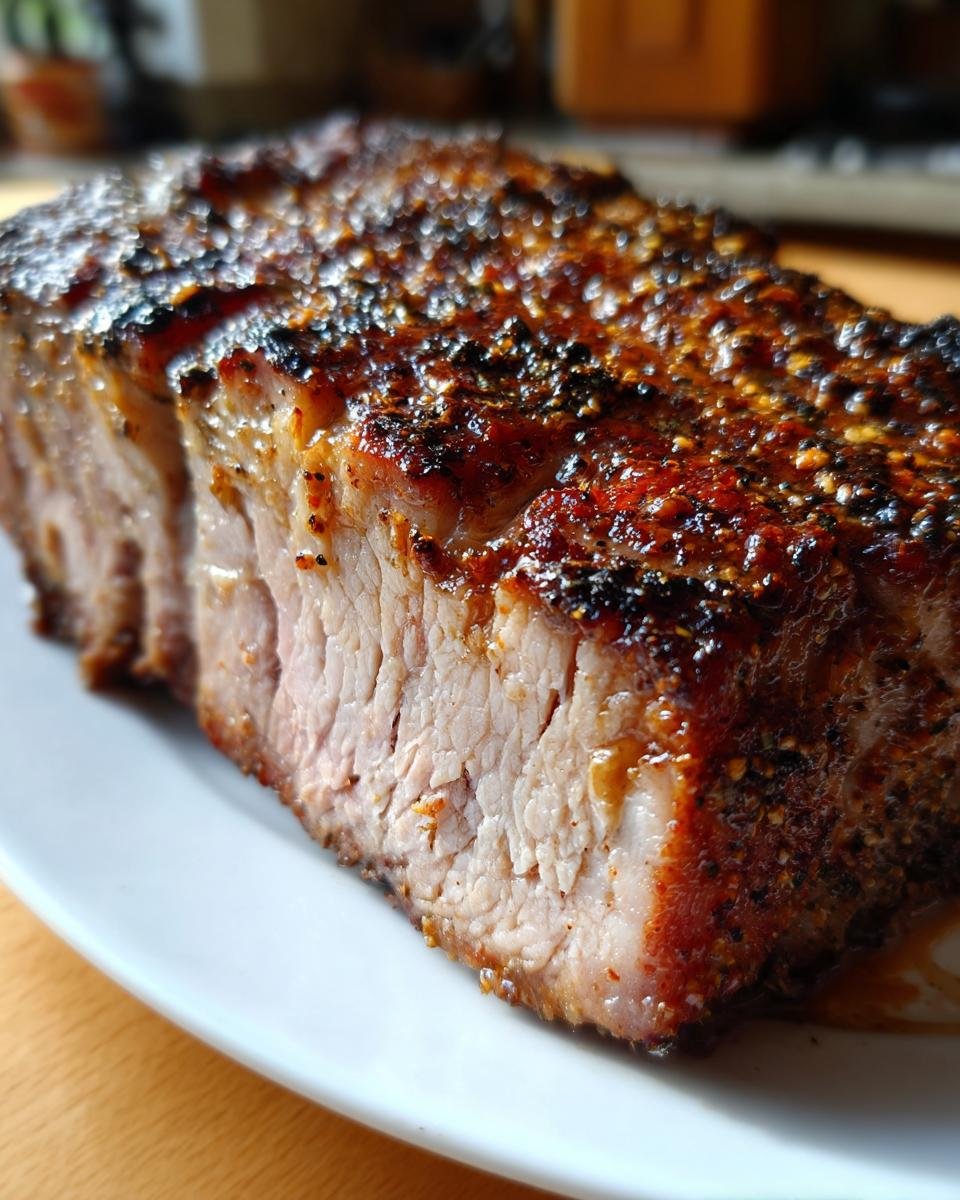
Remember, you need a reliable meat thermometer tucked way into the thickest part. That’s your absolute best friend here! Don’t try to guess; the thermometer tells you exactly when this roast is ready for glory. If you’re looking for some great things to bake while you wait for all that smoky goodness to finish up, I’ve got an amazing list of quick bread recipes that barely take any effort!
Grill Setup for Low and Slow Grilled Pork Roast
When I say indirect heat, I mean the fire needs to be on one side, and the roast needs to sit on the other side, where the heat circulates around it but doesn’t blast it directly. If you have charcoal, pile it all to one side. For gas, light half your burners on low. This setup is crucial so you get that beautiful, gentle smoke flavor instead of just burning the outside of your Grilled Pork Roast into a charcoal briquette!
Monitoring the Temperature of Your Grilled Pork Roast
We are cooking this until the internal temperature hits 195 degrees Fahrenheit. That’s your green light! Pull it off the grill right then. Then, this next step feels counterintuitive, but you must let it rest, covered loosely with foil, for a full 15 minutes. This resting time lets all those juicy interior fibers relax and reabsorb the moisture, guaranteeing a perfectly tender Grilled Pork Roast for serving.
Serving Suggestions for Your Delicious Grilled Pork Roast
Now that you have this unbelievably smoky and tender Grilled Pork Roast, you need sides that can stand up to that flavor! Because the roast is so rich, I always lean toward things that offer a little acidity or freshness to cut through. It’s phenomenal shredded over a simple bed of creamy coleslaw.
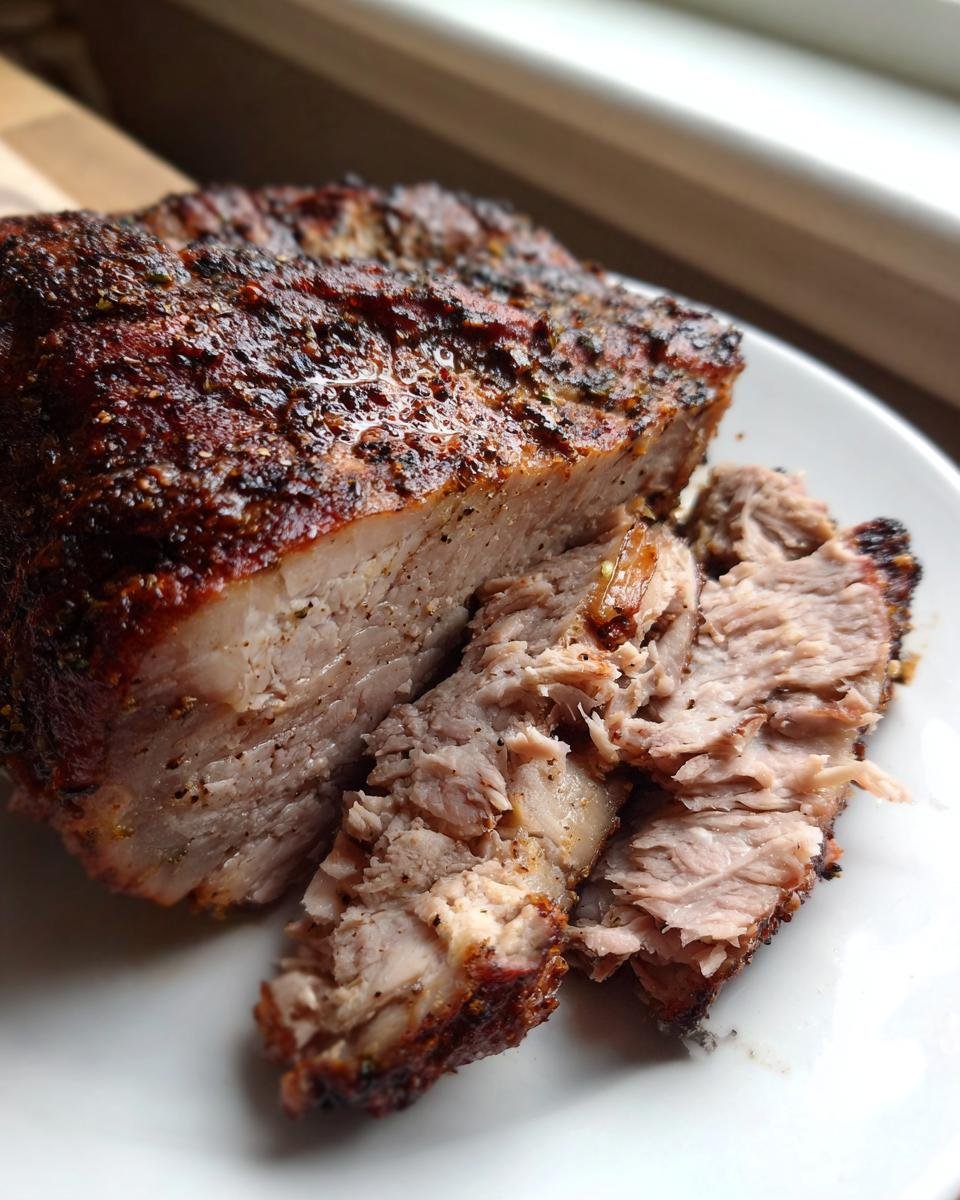
If you are having a big barbecue, you absolutely cannot go wrong with a hearty side. Trust me, you want to check out my recipe for the ultimate potato salad—it’s tangy and just perfect alongside smoky pork. Roasted root vegetables or some quick, garlicky green beans are also great choices!
Storage and Reheating Instructions for Leftover Grilled Pork Roast
Don’t worry if you have leftovers because this Grilled Pork Roast tastes amazing the next day, too! Pop any unused meat into an airtight container right away—no standing around on the counter, you hear? Storing it properly helps keep that smoky flavor locked in.
When it’s time to eat it again, never just microwave it dry! Mix a splash of water or broth into the shreds before heating. I usually warm mine up slowly in a skillet. If you’ve ever made my slow-cooked brisket, you know that adding liquid is the secret to tenderness, and it works wonders here too!
Troubleshooting Common Grilled Pork Roast Issues
Even with the best plan, sometimes the grill needs a little convincing! The most common drama with a Grilled Pork Roast is when the outside starts getting too dark before the inside is cooked. If you see that surface browning too fast, don’t panic! Just grab some aluminum foil and loosely tent it over the roast. This protects the outside while letting the heat gently nudge the internal temperature up.
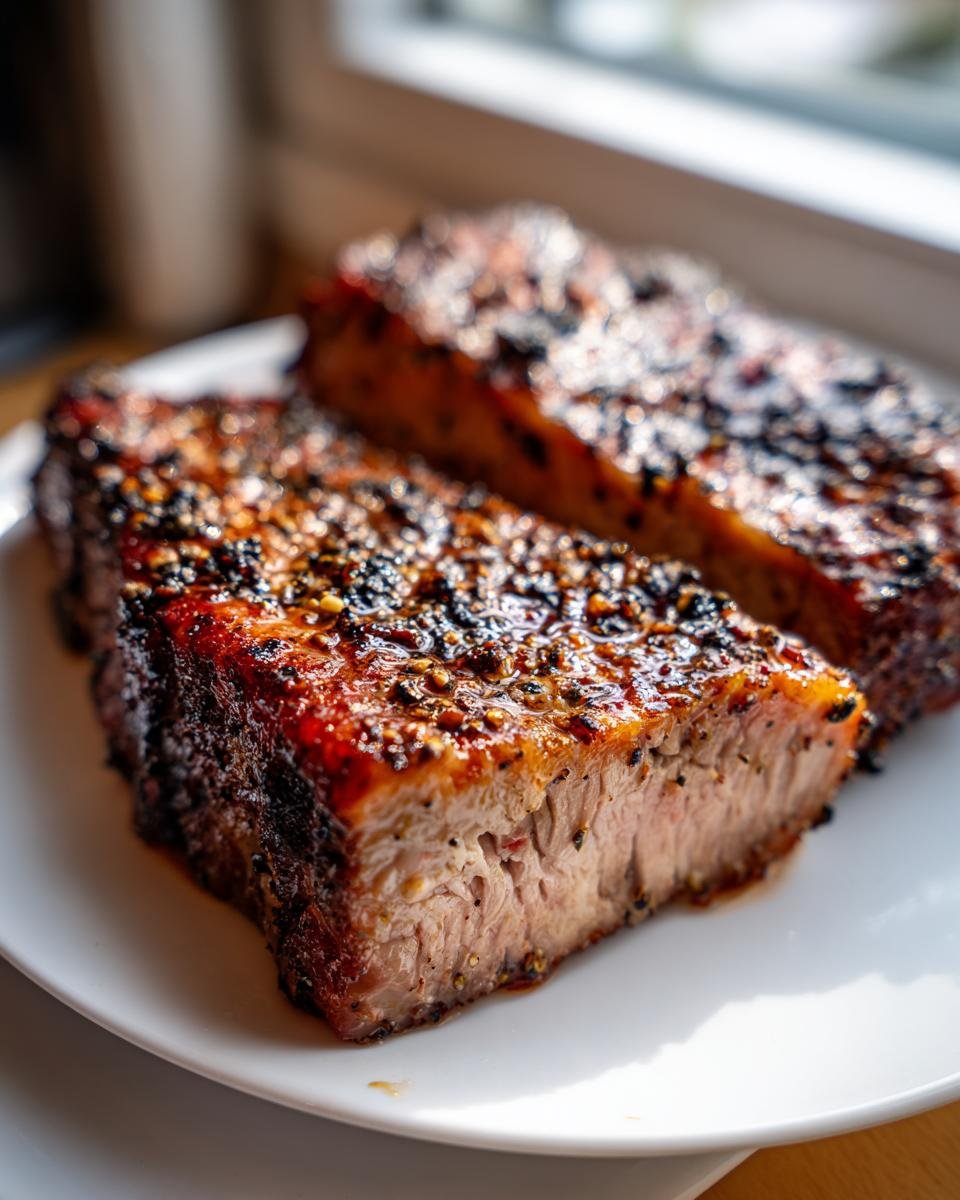
If you’re stuck and the temperature just won’t climb, check your vents! Sometimes folks accidentally choke the fire or close the gas too much. If it’s still hovering way below temp, you might need to move the roast slightly closer to the heat source, but watch it like a hawk after that!
Frequently Asked Questions About Making a Grilled Pork Roast
I always get questions about this recipe because grilling meat can seem intimidating! But once you nail that low and slow temperature, you are golden. I’ve gathered the ones I hear most often about turning a simple pork shoulder into the best Grilled Pork Roast ever. If you’ve got other questions, maybe check out how I handle beef tips—some of those low-and-slow concepts overlap!
Can I use a different cut of meat for this Grilled Pork Roast recipe?
You absolutely *could* try other cuts, but honestly, for this specific low-and-slow Grilled Pork Roast method, the pork shoulder (also called Boston butt) is king. That high fat and connective tissue content takes that long, gentle cooking time up to 195 degrees perfectly. Other lean cuts like chops might dry out long before they get tender enough to shred beautifully. Stick with the shoulder for the best results!
What wood chips or smoke flavor work best for a Grilled Pork Roast?
If you are using wood chunks or chips for extra smoke—and I highly recommend it—hickory is the classic flavor that just screams barbecue perfection for your slow grilled pork. If you want something a little sweeter and milder that pairs beautifully with pork, applewood is my personal favorite. Avoid mesquite unless you are really aiming for an intense flavor, as it can sometimes overpower the delicate spices in the rub!
Nutritional Estimates for Grilled Pork Roast
Now, remember that this is just an estimate because every roast weighs a little differently and how much fat renders off changes things! I don’t fuss too much over exact numbers when I’m slow grilling, but it’s good to have a ballpark idea for dinnertime planning. These figures are based on a 4-ounce serving size of the cooked meat.
We’re looking at about 350 calories per serving, which isn’t bad at all considering how much flavor you get! This Grilled Pork Roast is wonderfully high in protein, clocking in around 38 grams per serving, and it’s super low in carbs—only about 1 gram.
For the fat breakdown, you’ll see about 20 grams total, with 7 grams coming from saturated fat. The cholesterol hits around 100 milligrams. Keep in mind that if you trim more fat off the roast before serving, those numbers will definitely look better! Honestly, for something this delicious and smoky, I think these estimates are fantastic!
Print
Simple Grilled Pork Roast
- Total Time: 255 min
- Yield: 6 servings 1x
- Diet: Low Fat
Description
A straightforward recipe for cooking a pork roast on the grill.
Ingredients
- 1 (3-4 lb) pork shoulder roast
- 2 tablespoons olive oil
- 1 tablespoon salt
- 1 teaspoon black pepper
- 1 teaspoon garlic powder
- 1 teaspoon paprika
- 1/2 teaspoon dried thyme
Instructions
- Pat the pork roast dry with paper towels.
- In a small bowl, mix the salt, pepper, garlic powder, paprika, and thyme.
- Rub the olive oil over the entire surface of the pork roast.
- Sprinkle the spice mixture evenly over the roast, pressing it gently to adhere.
- Preheat your grill to a low, indirect heat, around 250 degrees Fahrenheit.
- Place the pork roast on the cooler side of the grill, away from direct flames.
- Close the grill lid and cook for approximately 3 to 4 hours, or until an internal temperature of 195 degrees Fahrenheit is reached.
- Remove the roast from the grill and let it rest, loosely covered with foil, for 15 minutes before slicing or shredding.
Notes
- Use a meat thermometer inserted into the thickest part of the roast for accurate temperature reading.
- If the outside browns too quickly, you can loosely tent the roast with aluminum foil during the cooking process.
- Prep Time: 15 min
- Cook Time: 240 min
- Category: Main Course
- Method: Grilling
- Cuisine: American
Nutrition
- Serving Size: 4 oz cooked
- Calories: 350
- Sugar: 1
- Sodium: 450
- Fat: 20
- Saturated Fat: 7
- Unsaturated Fat: 13
- Trans Fat: 0
- Carbohydrates: 1
- Fiber: 0
- Protein: 38
- Cholesterol: 100
Keywords: grilled pork roast, pork shoulder, barbecue pork, slow grilled pork, simple roast